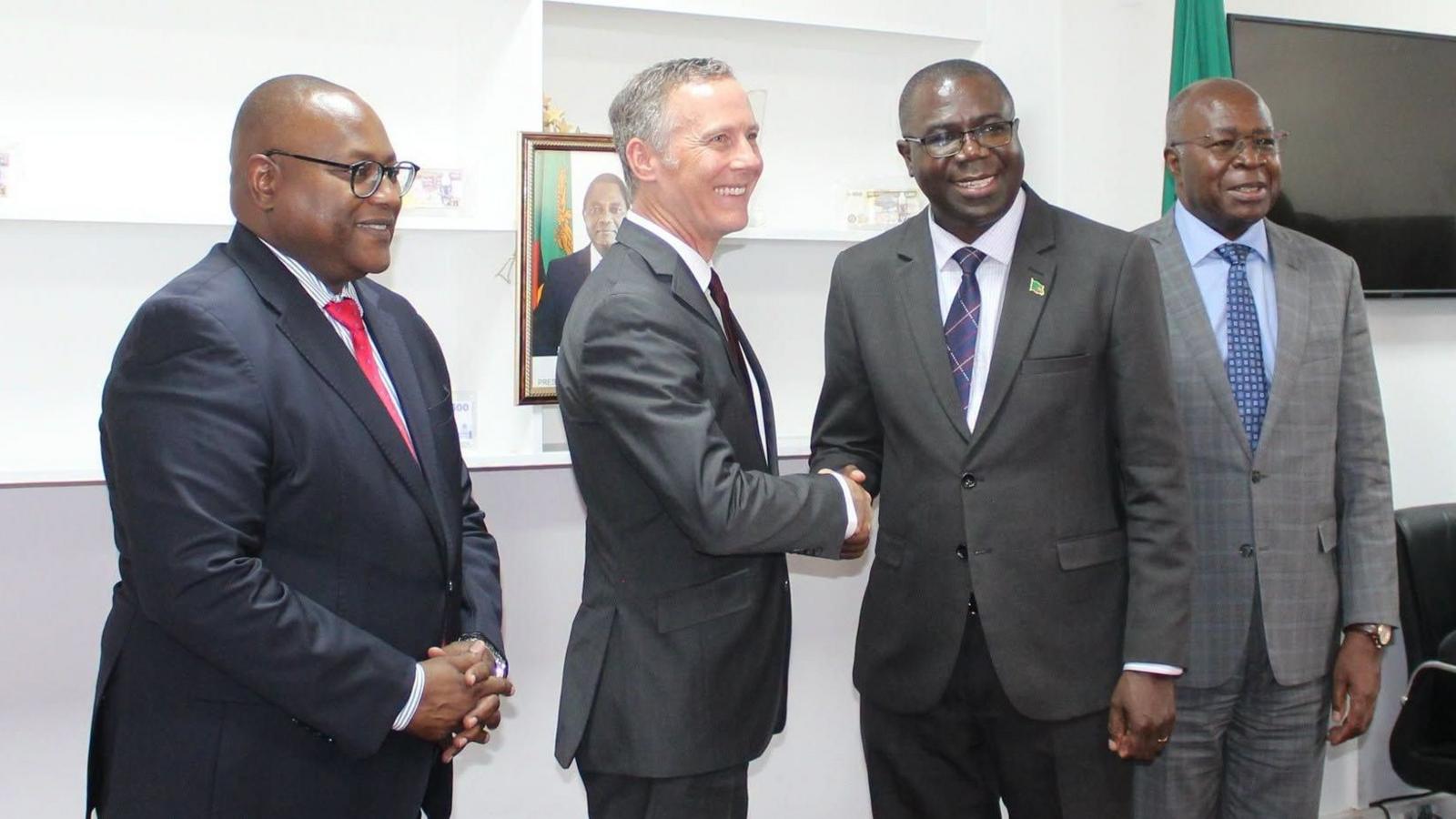
Zambia has signed a five‑year health financing agreement with the United States, ending months of public dispute over whether the country was trading citizens’ medical data and mineral rights for aid.
In a memorandum of understanding signed in Lusaka on Thursday, the US will provide about $1.5 billion (£1.1 bn), with Zambia also contributing. The deal follows a leaked draft that civil society groups said gave the US too much leeway to access patient data and biological specimens. Activists petitioned for the text to be published and argued that the information flow would be “one‑way.”
Opposition figures and advocacy groups seized on reports that the health money was tied to preferential access for US companies to Zambia’s copper and other mineral reserves. Foreign Minister Mulambo Haimbe called the data terms a violation of privacy and “unconscionable,” whereas the then‑US ambassador Michael Gonzales denied any linkage to minerals.
Health Minister Roma Chilengi said the revised agreement now excludes clauses that required Zambia to send biological specimens to the US and that individual patient records would not be shared. Data exchange will be limited to information needed to monitor and evaluate programmes funded under the deal.
The package, covering 2026‑2030, is estimated at roughly $3.6 billion, split between US assistance and Zambian contributions. It will support HIV/AIDS, tuberculosis, malaria, maternal and child health, disease surveillance and the recruitment of community health workers. Officials say the arrangement represents a shift from a donor‑recipient model toward shared responsibility, with US funding expected to decline over the five years as Zambia increases domestic spending.
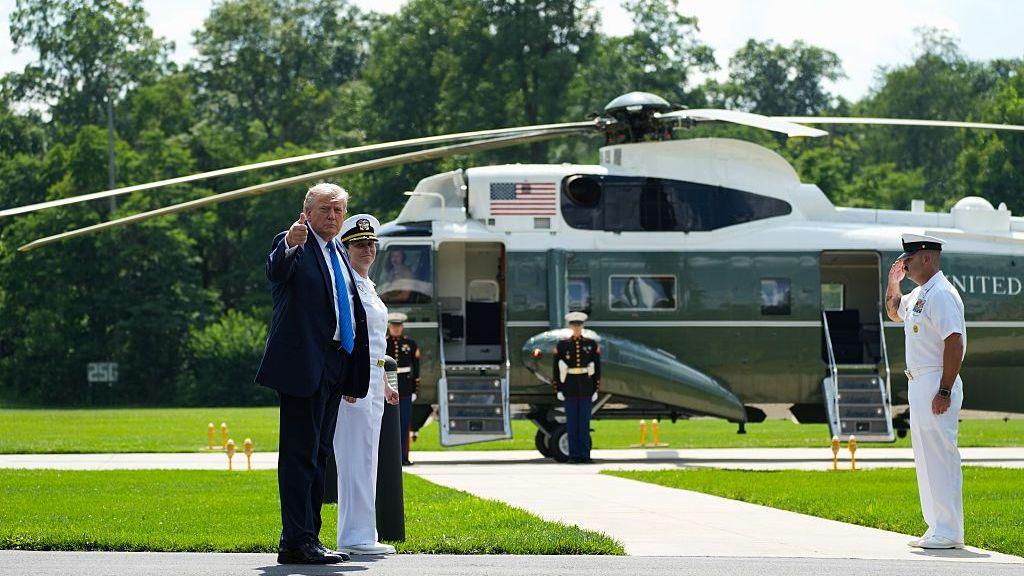
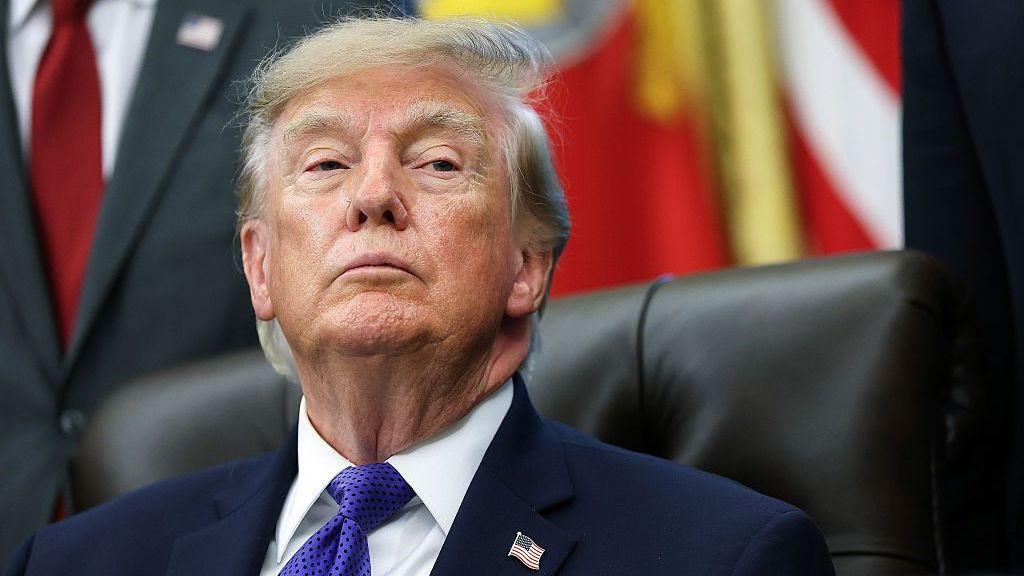
The deal follows President Donald Trump’s closure of USAID in 2025, which abruptly cut funding to Nigerian, Kenyan and other African health programmes. Critics warn that the cut has hampered disease‑outbreak responses—such as the ongoing Ebola crisis in the Democratic Republic of Congo—by reducing availability of logistics, supplies and local outreach. The U.S. government maintains the new framework is more aligned and effective, pointing to $270 million it has donated to fight the epidemic.