Trump Ends Tax‑Funded TV Ads Amid Midterm Storm
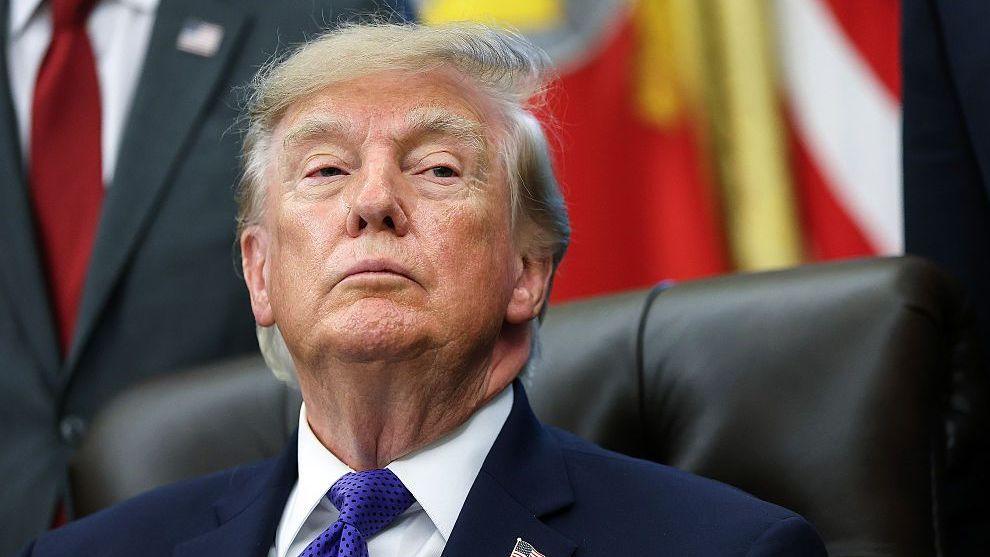
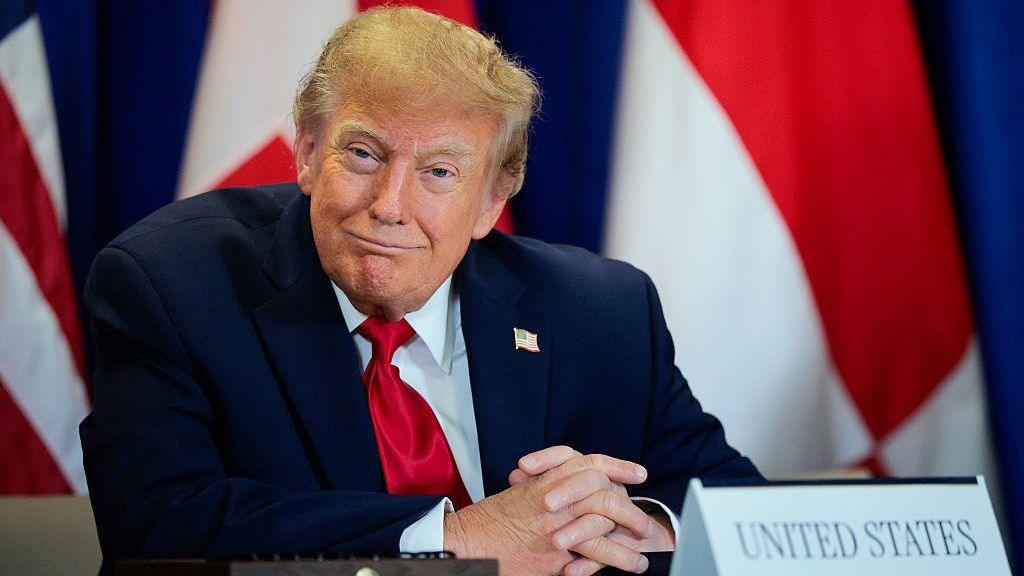
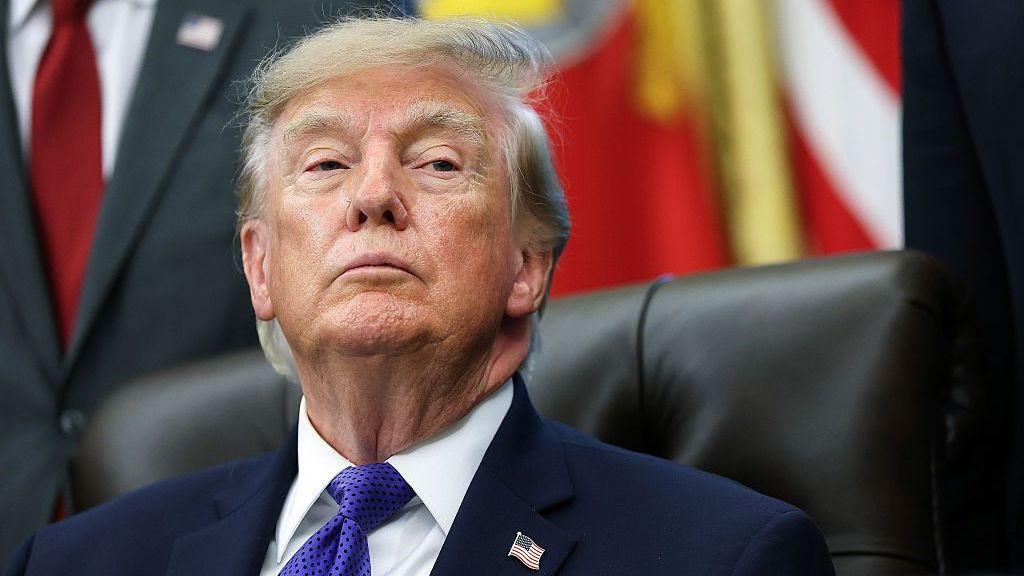
President Donald Trump announced on Monday that he will stop using United States taxpayer dollars to pay for his television promotions, a move that followed sharp criticism from both sides of the political aisle. He described the ads as a “positive promotion for our Great U.S.A.”, but said he had decided to finance them himself using money raised through his MAGA Inc. super‑PAC.
The ads, which appeared repeatedly over recent weeks, touted Trump’s tax cuts, support for manufacturing and law‑and‑order policies. They also featured Trump warning against the “deep state” and denouncing what he calls communists, Marxists and fascists. He famously promised to “liberate America from these villains once and for all”.
The last time the federal government spent money on political messaging was during crises such as the 1960s civil‑rights campaigns or the 2009 COVID‑19 vaccine push. Legal analysts point out that the current ads lack a clear public‑service objective, and argue that government funds should not be directed toward personal political gain. “It’s difficult to see what legitimate government purpose is served by spending taxpayer dollars on ads whose only apparent purpose is to promote the president,” says privacy and campaign‑law expert Margaret Dylus‑Yukins.
Both parties have tackled the issue in the Senate. Democratic Senator Maggie Hassan, who introduced a measure condemning the ads, was thwarted by a single Republican vote. Republican leaders, while praising the message, have also cautioned against the use of public money for political messaging. Senator John Thune admitted he “likes the message” but added it shouldn’t be paid for by taxpayers, while Senator John Kennedy called out the practice as a private promotion of a public official.
The announcement arrives just as the country readies itself for the November midterm elections, a crucible that often sees the president’s party losing congressional seats. With Trump’s approval ratings in the low fifties, the timing of the ads—and their subsequent withdrawal—could influence voter perceptions and the trajectory of the campaign in a crucial period. Whether the shift in funding strategy will assuage detractors remains to be seen, but it signals the administration’s willingness to respond to bipartisan scrutiny as the electoral calendar approaches.