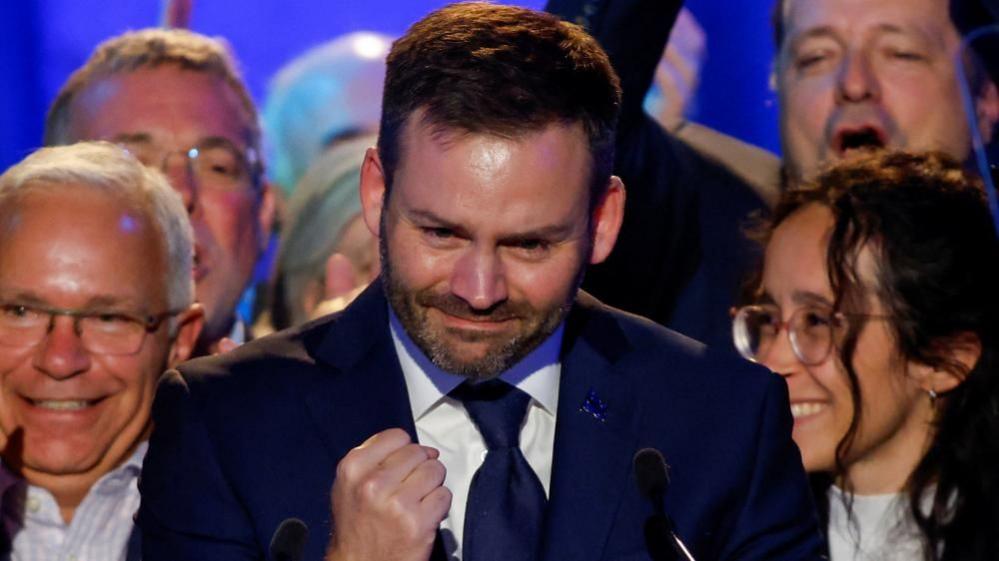
Quebec’s electorate has shifted gears, returning the Parti Québécois to power after nearly a decade out of office. The left‑wing party won just enough seats to form a minority government in the provincial legislature, following a rapid collapse of the long‑running Coalition Avenir Québec. Premier Paul St‑Pierre Plamondon is set to take the helm, vowing to treat “everyone in Quebec” while pressing for a new public vote on independence.
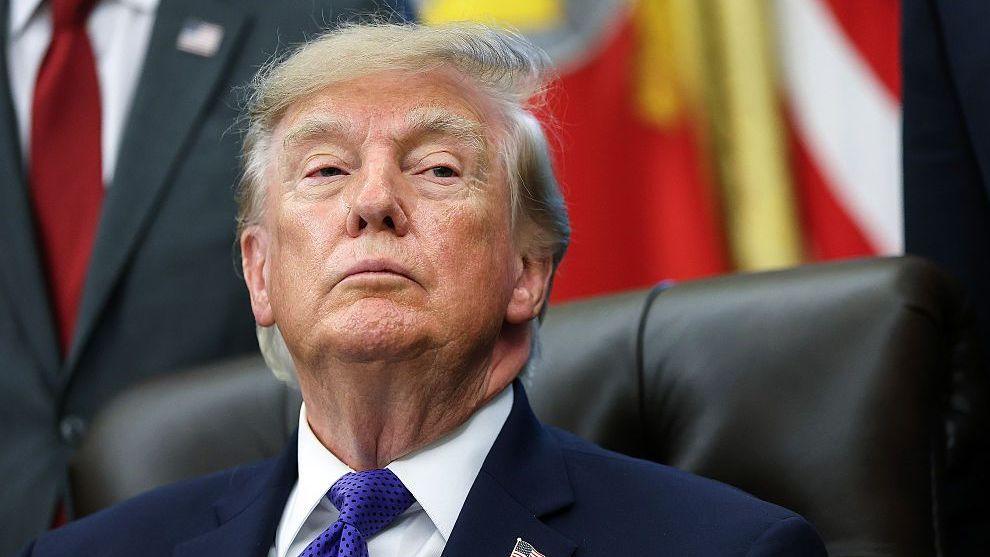
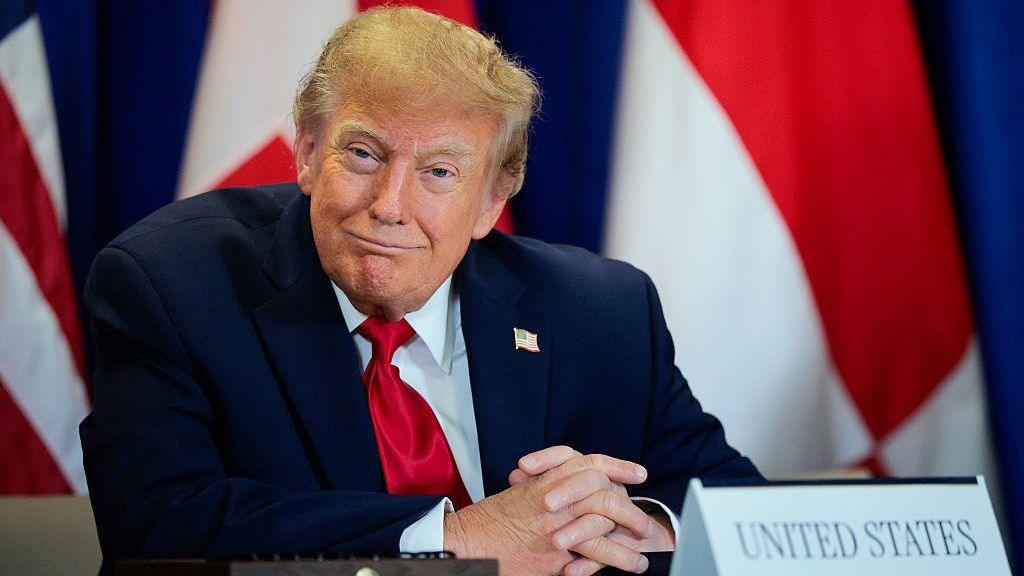
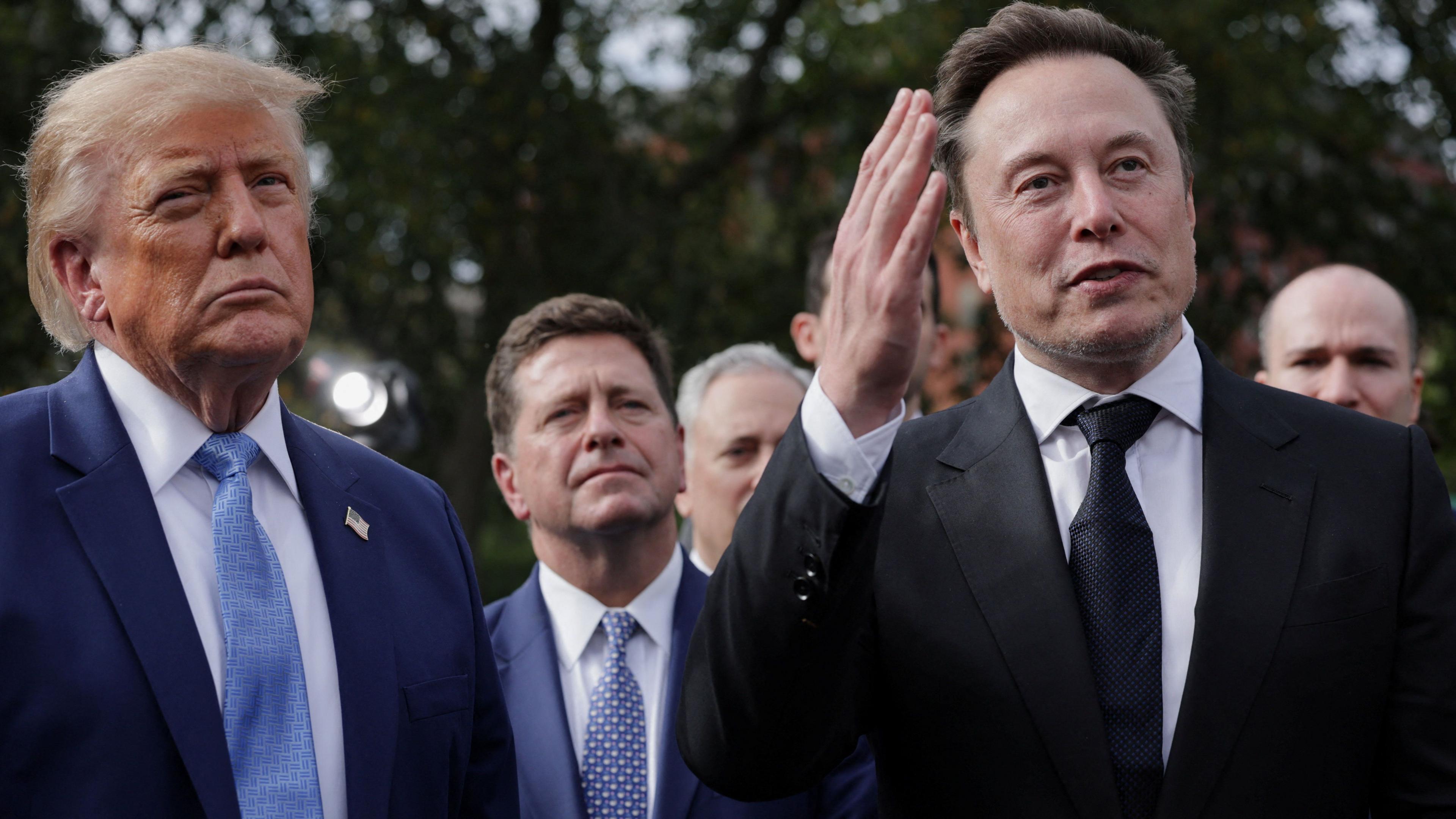
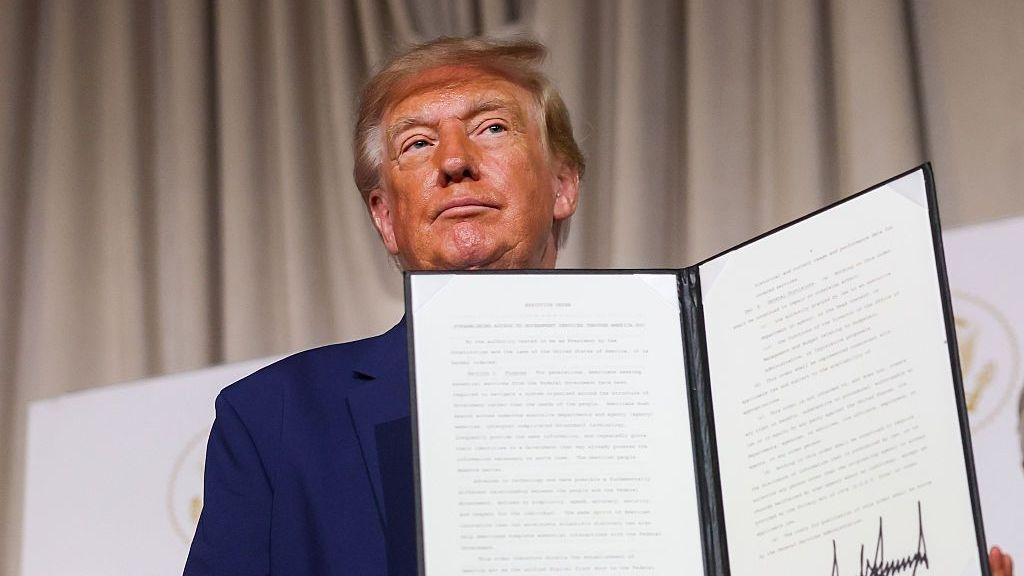
The election represents the first time the PQ has governed since 2014. St‑Pierre Plamondon says he will seek the cabinet support of the Liberals and Conservatives, both of whom gained seats under the election, to push forward his plan for a referendum. The push is tied to the end of Donald Trump’s administration, which the PQ leader argues must not interfere with the province’s constitutional debate.
While independence talks ignite political wrangling, Plamondon has also pledged to abolish Clarence’s monarchy in Quebec, redirecting funds that support the lieutenant‑governor’s operations toward social services. Advocates say the proposal will spark a constitutional fight, as the Crown’s constitutional role cannot easily be excised without a formal overhaul of Canada’s agreements.
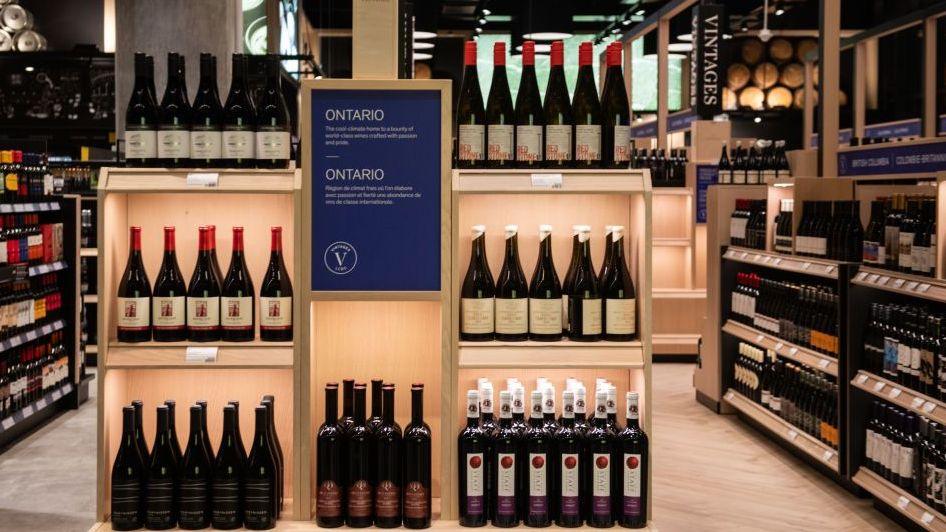
Prime Minister Mark Carney welcomes the new provincial leadership, stressing that “building a stronger Quebec is at the heart of our mission to build a stronger Canada.” Yet a big question remains: can the PQ secure a referendum when many Quebecers still favour status quo, with polls showing only 30% support for sovereignty? The coming years will test whether the new government can navigate relations with Ottawa, the Crown, and the United States amid a trade standoff that greets the province’s economy.