WASHINGTON (AP) — In a significant policy shift, Acting Attorney General Todd Blanche has signed an order that reclassifies state-licensed medical marijuana as a less dangerous drug. This move aligns with the long-standing advocacy for cannabis reform, reflecting the changing perceptions of marijuana in American society.
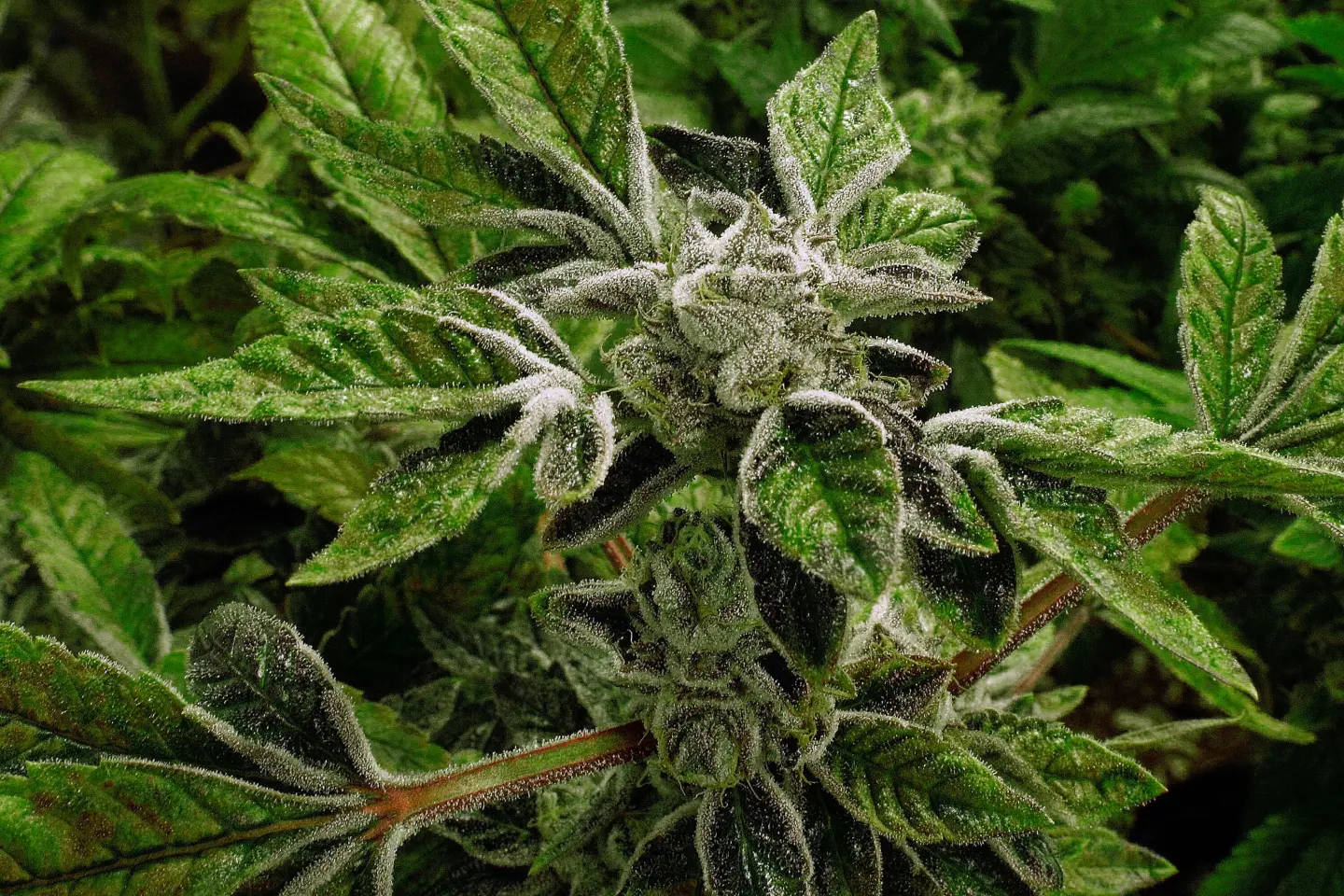
While this order does not legalize marijuana for medical or recreational use at the federal level, it distinctly shifts medical marijuana from Schedule I—characterized by high potential for abuse and no accepted medical use—to Schedule III, which allows for more lenient regulations. This classification opens the door for medical marijuana providers to benefit from major tax breaks and reduces barriers for conducting research on cannabis.
President Trump had directed his administration in December to expedite the reclassification process. During the signing of an unrelated executive order concerning psychedelics, he expressed his frustration over the slow progress. This rescheduling action allows for research on the safety and efficacy of this substance, ultimately providing patients with better care and doctors with more reliable information, Blanche explained in a statement.
The order legitimizes medical marijuana programs already established in 40 states, creating a more streamlined registration process for state-licensed marijuana producers with the U.S. Drug Enforcement Administration. Blanche's action highlights the government's recognition of the evolving landscape of cannabis use in the U.S., where nearly all states have adopted some form of cannabis legal frameworks.
Despite opposition from some within the Republican Party, the reclassification reflects a growing consensus on the need to adapt drug policies to contemporary societal norms and public health considerations. Trump has made drug enforcement a central theme of his presidency, notably concerning fentanyl and its trafficking but has seemingly pivoted on cannabis amidst the state-level acceptance of its medicinal use.
As the nation moves forward, the implications of this order could be far-reaching, potentially influencing future legislative efforts and public health initiatives related to cannabis.