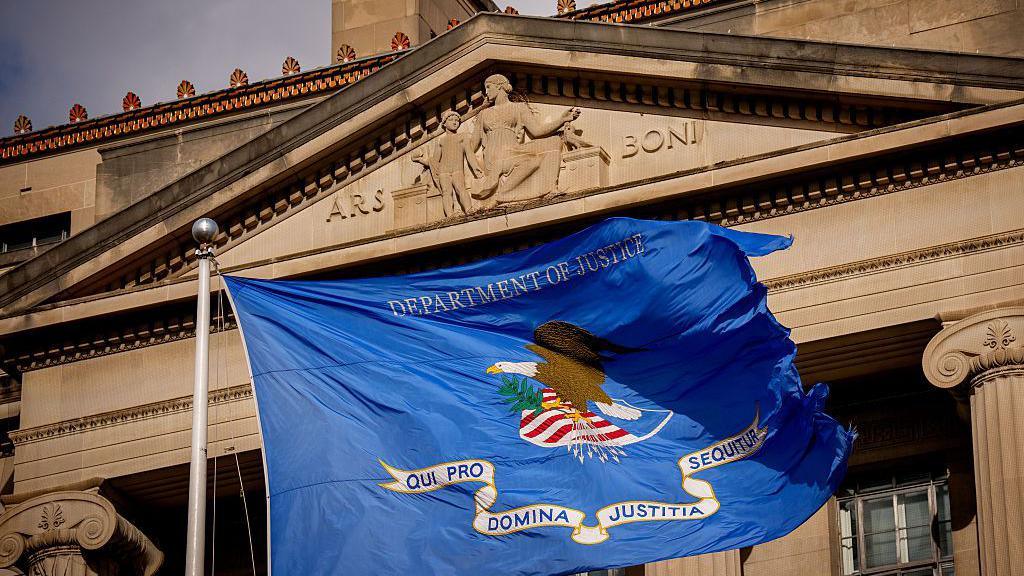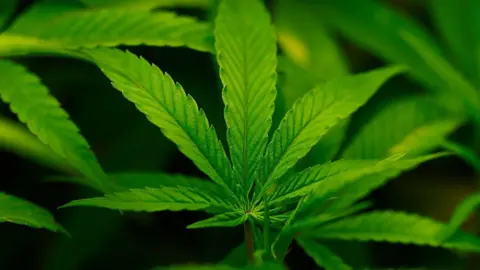
The US Department of Justice has officially reclassified cannabis as less dangerous, marking a major shift in the country's drug policy.
Acting Attorney General Todd Blanche announced on Thursday that products containing marijuana that fall under the Food and Drug Administration or have state medical-marijuana licenses will transition from a Schedule I narcotic, like heroin, to a Schedule III drug—similar to Tylenol with codeine.
In addition, Blanche announced plans for a hearing to consider reclassifying all forms of marijuana.
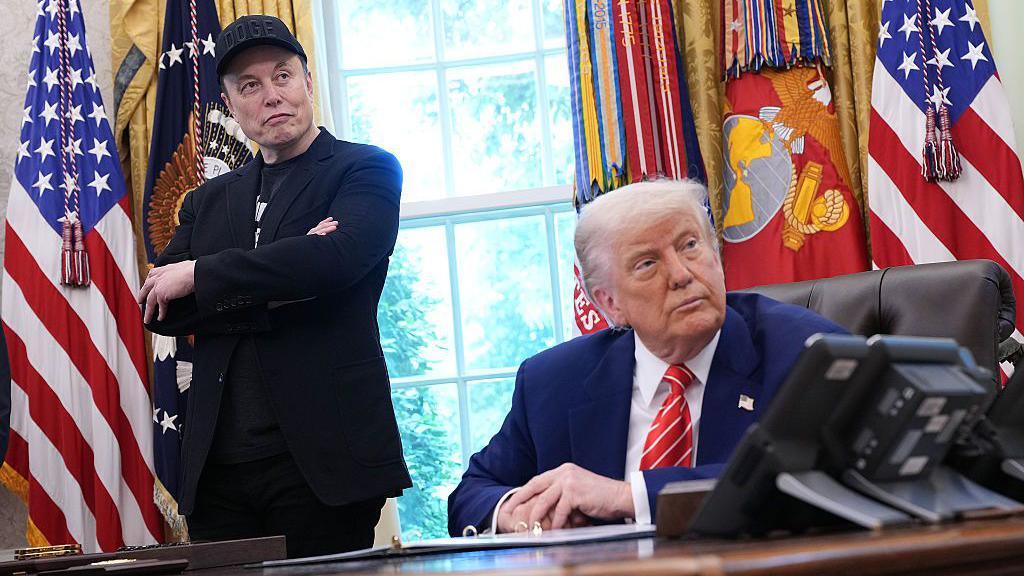
This move follows President Donald Trump’s directive to start the reclassification process in order to promote increased access and research into the drug.
Despite the federal ban on marijuana, many states have legalized its medical or recreational use, and numerous shops operate legally.
Blanche stated, The Department of Justice is delivering on President Trump's promise to expand Americans' access to medical treatment options. This rescheduling action allows for research on the safety and efficacy of this substance, ultimately providing patients with better care and doctors with more reliable information.
Following this announcement, Blanche ordered a hearing to take place in June for the rule-making process to reclassify all marijuana more broadly.
Once published in the Federal Register, the new rules will be in effect 30 days later, during which they can be legally challenged—which is anticipated—and potentially blocked from implementation for an extended period.
This reclassification aligns with a broader conversation in the US around marijuana legalization that has gained momentum over decades. Since 1970, cannabis has been classified as a Schedule I controlled substance, indicating a high potential for abuse and no accepted medical use.
Efforts in various states to loosen these restrictions have resulted in a fragmented legal landscape for cannabis, complicating matters for businesses within that industry due to adherence to federal tax and banking laws.
The Biden administration had initiated a review of marijuana's classification in 2022 which led to considerations of its reclassification. Trump's recent change is viewed by some industry advocates as largely symbolic, though it may open the door for more policy discussions around cannabis.
With a growing number of Americans supporting full legalization, campaigners are amplifying their calls for federal measures to completely legalize cannabis rather than simply downgrading its classification.