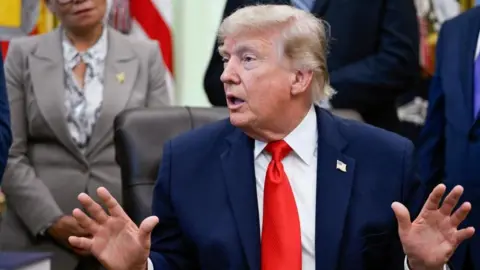
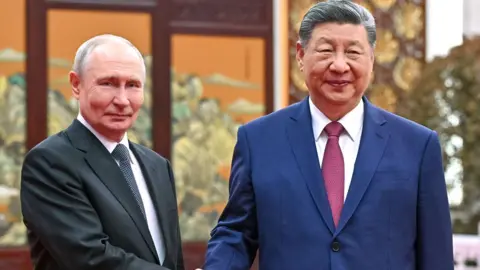
In early 2017, U.S. intelligence agencies concluded that President Vladimir Putin initiated extensive efforts to disrupt the recent American presidential election to erode faith in the electoral process and challenge a U.S.-led “liberal world order.” This conclusion alleged that Moscow sought to advance Donald J. Trump’s candidacy as part of this scheme. Fast forward to 2025, Trump has reignited his alliance with Putin during a pointed discussion with Ukrainian President Volodymyr Zelensky at the Oval Office, branding past claims of Russian election meddling as a “phony witch hunt.”
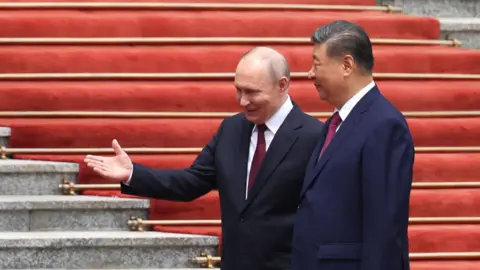
Trump's words reveal a continuing alliance with Russia, positioning him and Putin as allies against common adversaries, such as Democratic lawmakers, European leadership, and what Trump refers to as a “deep state” in Washington D.C. This relationship has become increasingly pivotal, especially during Trump’s early months back in power, as he has made a string of foreign policy choices overwhelmingly supported by the Kremlin.
The complex nature of Trump’s affinity toward Putin has been the subject of extensive investigations and analyses over the years, which have all sought to unveil the intricacies behind this bond. While myriad theories exist explaining this connection, it is evident that Trump’s recent public stances and actions reflect a significant alignment with Russian interests, making their relationship more consequential on the global stage than ever before.