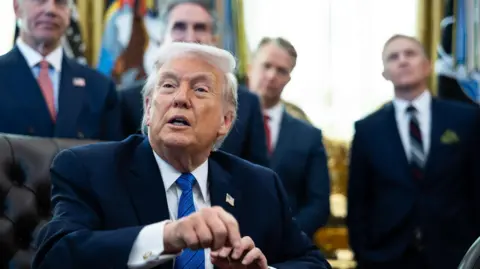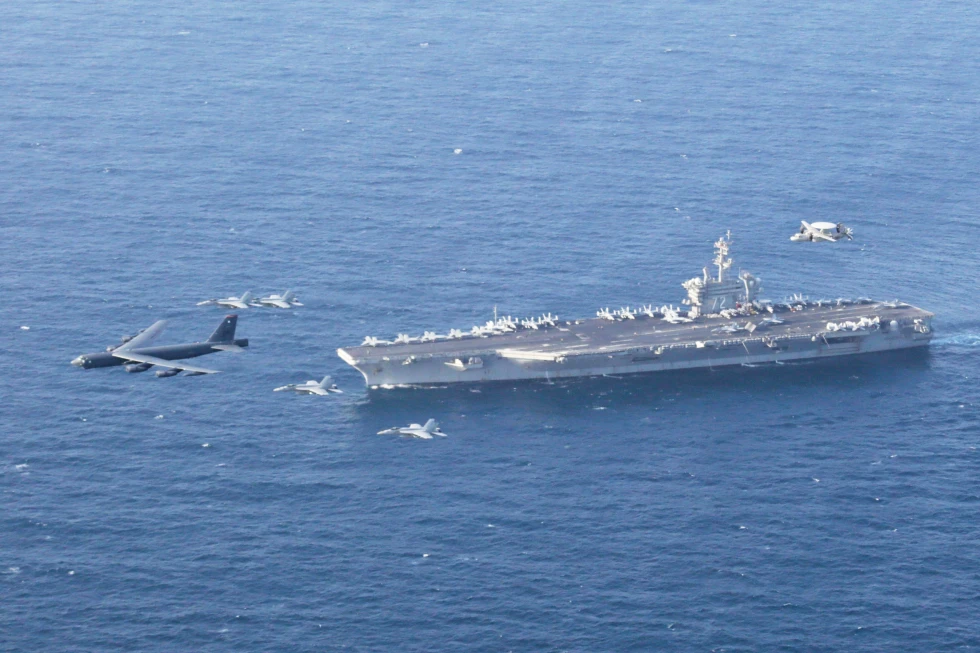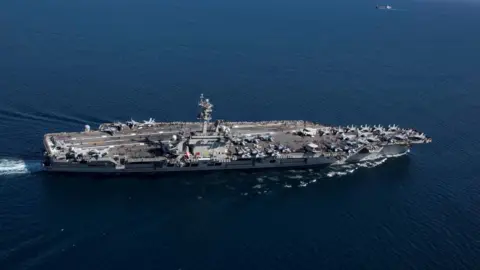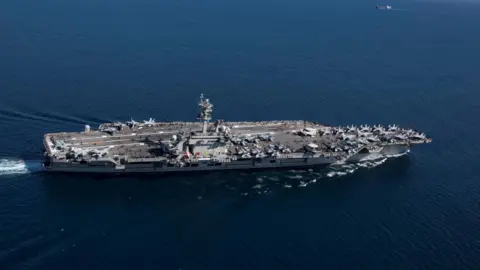
In a further escalation of tension between the United States and Venezuela, President Donald Trump has ordered a naval blockade to stop sanctioned oil tankers from entering and leaving the South American country.
Venezuela, which possesses the world's largest proven oil reserves, relies heavily on revenues from oil exports to fund government spending. However, U.S. sanctions targeting its state-run oil company PDVSA have complicated these exports, prompting the government to resort to a fleet of 'ghost ships.'
Over 30 of the 80 ships in Venezuelan waters or en route were already under U.S. sanctions, as confirmed by data from TankerTrackers.com. President Trump announced a 'total and complete blockade' of these vessels on social media.
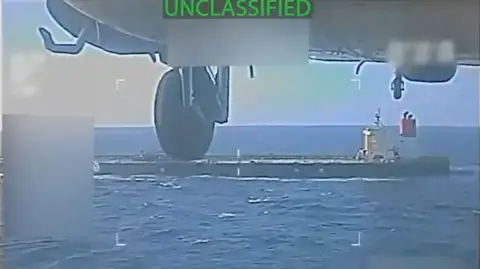
The U.S. seizure of an oil tanker off Venezuela's coast recently evidenced these efforts, highlighting the complex strategies undertaken by the Venezuelan government to maintain oil trade despite strict sanctions.
Ghost fleets are not unique to Venezuela; Russia and Iran have employed similar methods. According to S&P Global, up to one in five oil tankers worldwide now participate in the smuggling of oil from sanctioned nations.
These ghost ships often change their names or flags regularly to avoid detection and comply with sanctions, and some even steal identities from scrapped vessels—a practice known as using 'zombie ships.'
Despite ambitious sanctions imposed by the U.S. dating back to Trump's first term, Venezuela has seen a partial recovery in oil exports, raising questions about the effectiveness of these sanctions.
The dilemma of circumventing oil sanctions in Venezuela is emblematic of the broader challenges posed by international sanctions, revealing an intricate world of maritime maneuvering and geopolitical strategy.