As a looming deadline threatens another government shutdown, Senate leaders are scrambling to hammer out a bipartisan spending deal that separates funding for the Department of Homeland Security from a larger omnibus bill. In a recent agreement reached with President Trump, funding for the DHS will be extended for two weeks while legislators discuss new restrictions surrounding federal immigration enforcement actions across the country.
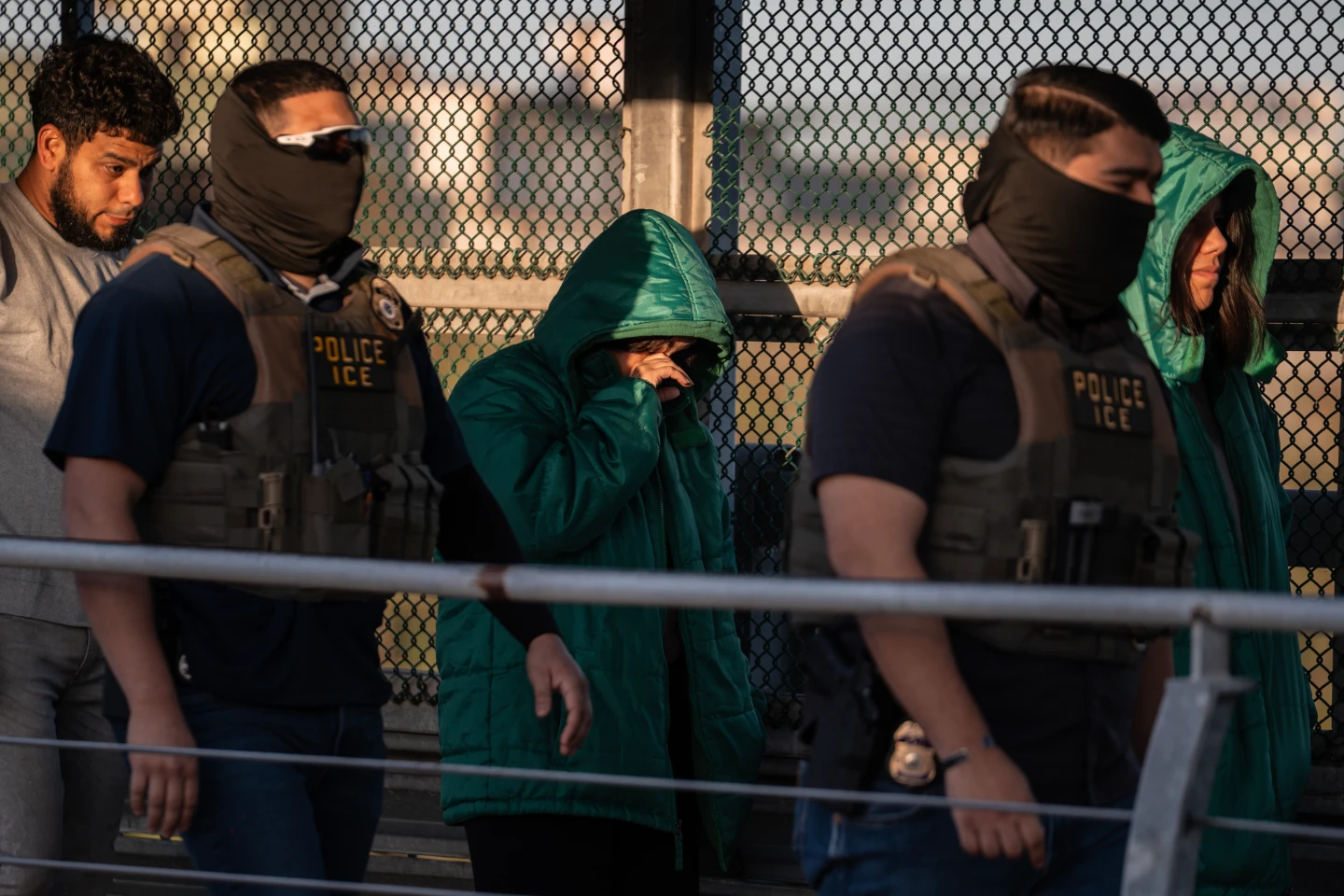
The discord stems from heightened Democratic demands for accountability and regulation of U.S. Immigration and Customs Enforcement (ICE) agents following the deaths of two protesters in Minneapolis, which escalated tensions and led to a call for a comprehensive investigation.
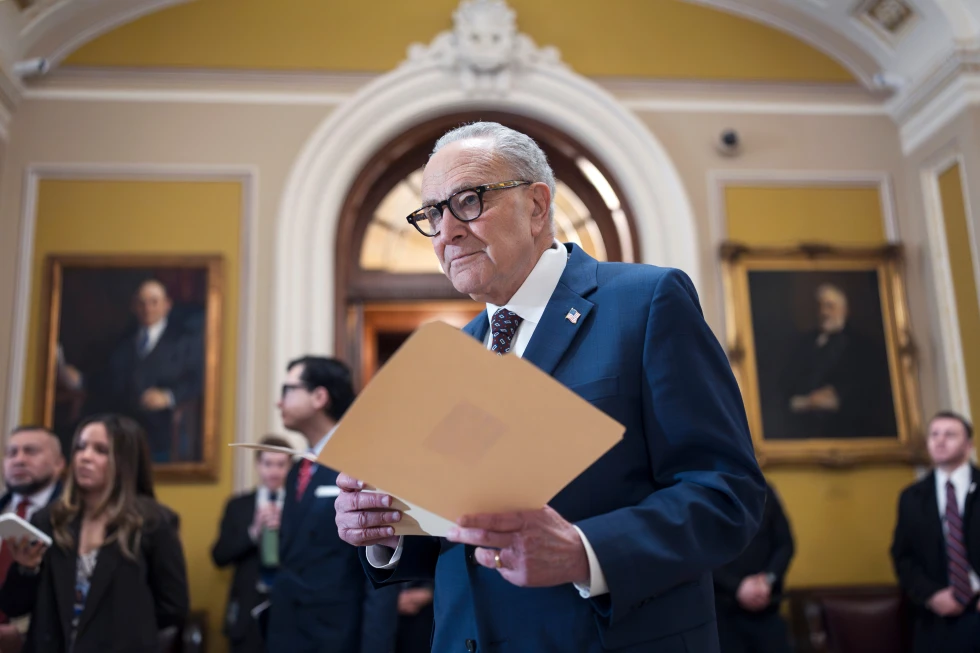
Senators Thune and Schumer have insisted on cooperation across party lines to avoid the repercussions of a government shutdown, stating that negotiations have encountered 'snags on both sides'. Despite the urgency and the pressure exerted by looming deadlines, key senators remain divided over specific proposals, including the regulation of ICE's operational procedures.
Trump, in an effort to rally support for the package, took to social media, advocating for a bipartisan vote while reiterating the need to prevent a shutdown, which he warned could have lasting impacts on the federal landscape.
Democrats have outlined demands such as ceasing 'roving patrols' in urban areas and tightening rules surrounding immigration arrests. Schumer articulated the sentiment of many, labeling recent ICE actions as 'state-sanctioned thuggery'. At the same time, some Republicans express hesitance, fearing that proposed changes could restrict ICE's ability to operate effectively.
Looking forward, if the Senate bill passes, the House will face its own set of challenges as conservative factions have voiced strong opposition to any alterations, reinforcing their commitment to uphold funding for immigration enforcement operations.
The recent legislative standoff amplifies the ongoing struggle within Congress to find a balanced approach to immigration funding amidst national controversies and varying public sentiment on enforcement practices.