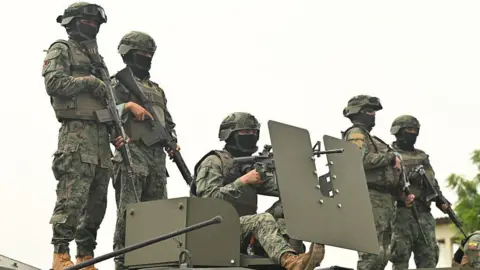
WASHINGTON, D.C. — In a significant escalation, the Pentagon has dispatched a robust contingent of U.S. military forces to the Middle East over recent weeks, highlighted by the deployment of an aircraft carrier group, which includes thousands of troops. This move comes in response to President Donald Trump's insistence on maintaining military readiness regarding potential strikes against Iran amidst escalating tensions.
“We have a host of very powerful ships heading toward Iran, and I hope we won't have to use them,” Trump commented during a press briefing.
The initial objective behind the U.S. military buildup was to deter Iran from carrying out its threat of executing political prisoners and violently suppressing demonstrators. However, Trump later claimed that Iran has paused its activities concerning the execution of demonstrators, a statement that Iran's authorities have starkly refuted as false.
As dialogue surrounding Iran's nuclear program continues, Trump asserted that Iran needs to adhere to the international demands or face consequences that could be far more severe than the strikes conducted on Iranian nuclear sites last year.
Aircraft Carrier Presence
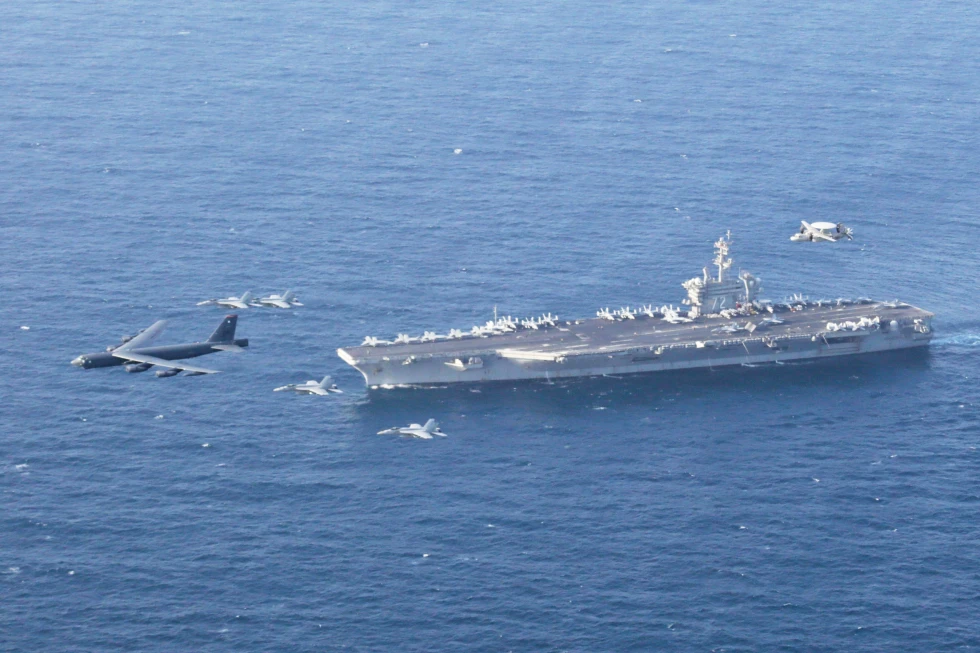
The aircraft carrier USS Abraham Lincoln, along with three guided-missile destroyers, has recently made its presence known in the Arabian Sea, significantly enhancing U.S. military operations in the area. This carrier group had recently vacated the South China Sea and reached the Middle East, joining several other U.S. naval vessels that are currently active near the Strait of Hormuz and in the Red Sea.
The deployment of the carrier strike group signifies an influx of approximately 5,700 additional service personnel to the region. The U.S. maintains several bases in the Middle East, including Al Udeid Air Base in Qatar, which serves as the forward headquarters for U.S. Central Command.
Moreover, recent military activities have mirrored previous years' efforts when the U.S. preemptively increased air defense capabilities, anticipating possible retaliatory actions from Iran following key military engagements.
Heightened Military Readiness
In light of rising tensions, the U.S. military has bolstered combat capabilities across the region, with fighter jets such as the F-15E Strike Eagle reinforcing regional security. These developments also coincide with the U.K. sending its Typhoon fighter jets to Qatar, augmenting defense measures.
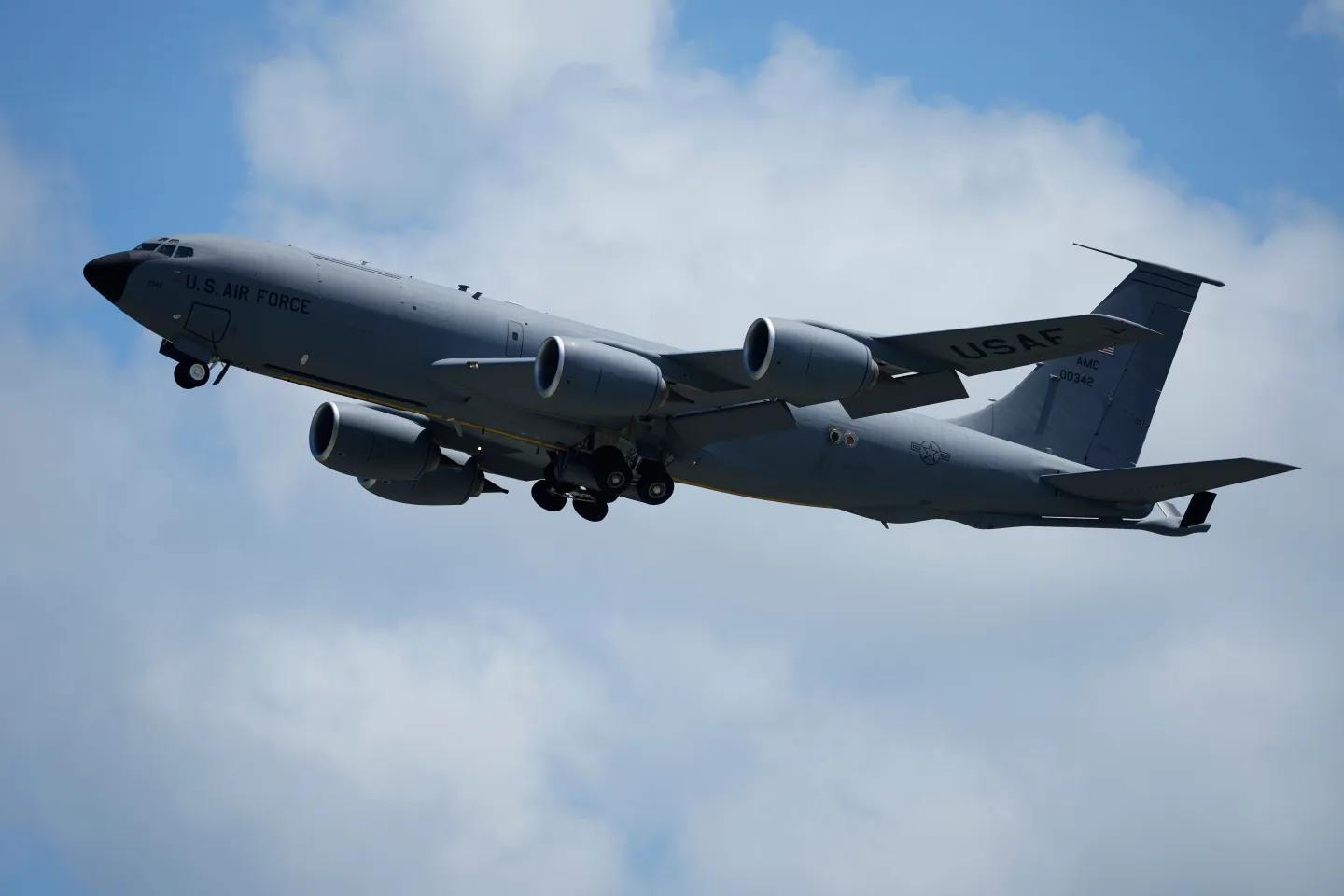
The swift mobilization of U.S. aircraft, cargo planes, and personnel emphasizes strategic preparations to deter potential Iranian threats. Defense Secretary Pete Hegseth reassured that the U.S. military is equipped to respond effectively to any demands put forth by the presidency regarding Iran.
Trump's administration has been vocal about holding Iran accountable for human rights violations amidst ongoing protests, resulting in further sanctions targeting Iranian officials. The international community continues to monitor the evolving situation as tensions escalate in the Persian Gulf.