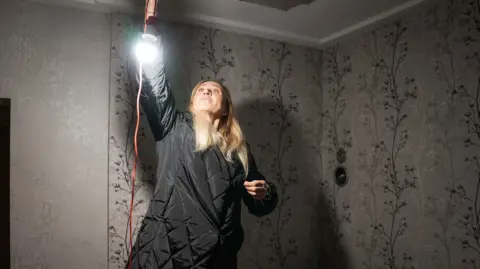
It's not the electricity cuts that Yulia Hailunas struggles with most after the Russian airstrikes. It's the fact that it's so bitterly cold inside her own home.
Like so many Ukrainians, she's had no central heating since Russia launched a wave of targeted attacks on the power grid in January. So Yulia now lives in a long, quilted coat and hat in her flat, and rests her feet on a saucepan-full of hot water to keep them from freezing. If that's not enough, she lifts weights for 10 minutes to get warm.
When the weather outside is above zero, it's just about bearable. But later this weekend, the temperature in Dnipro is forecast to plunge below -20C. In Kyiv and elsewhere, it could be colder still.
That's what's really scary, because all the heating pipes will burst and we won't be able to repair them again. It will be a catastrophe, Yulia worries.
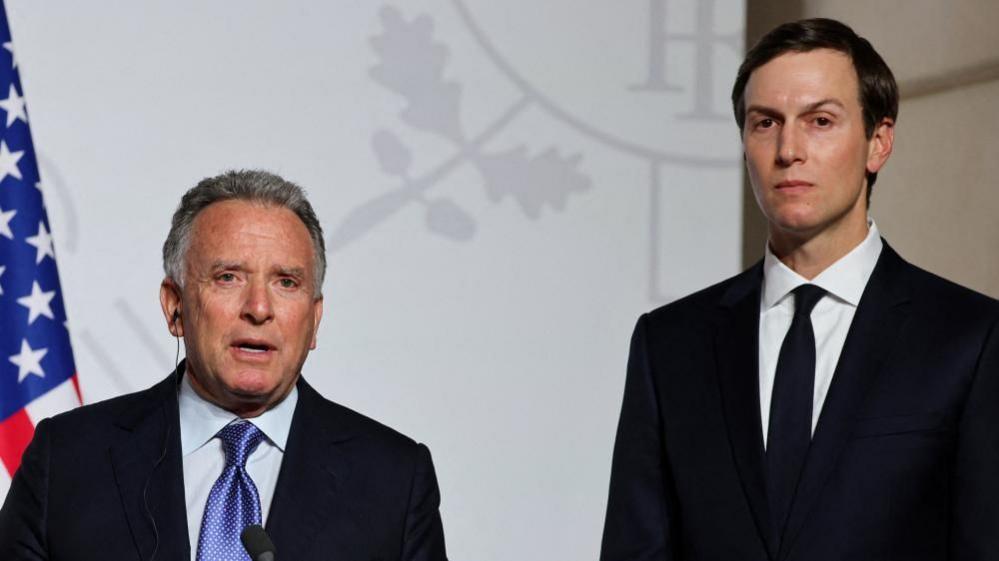
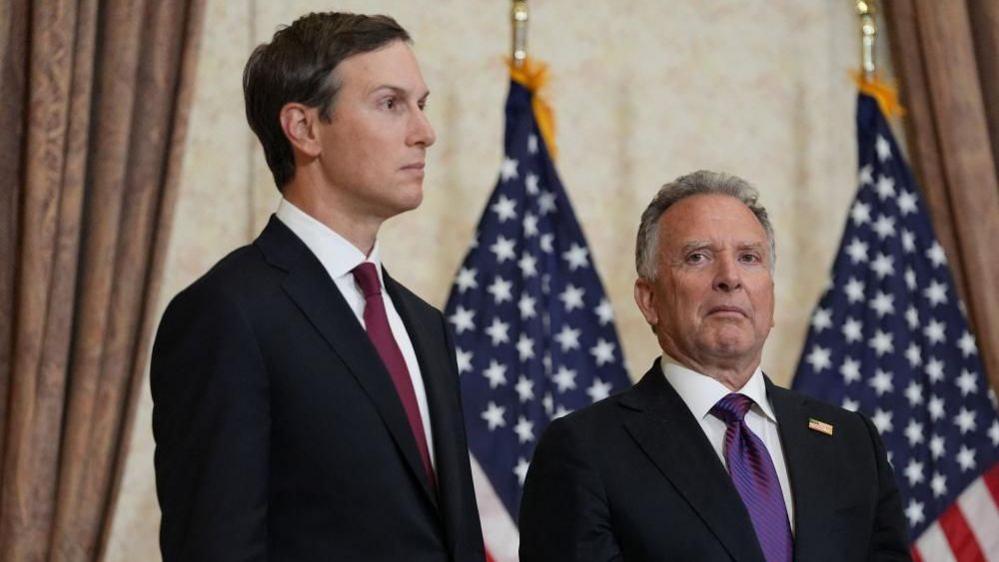
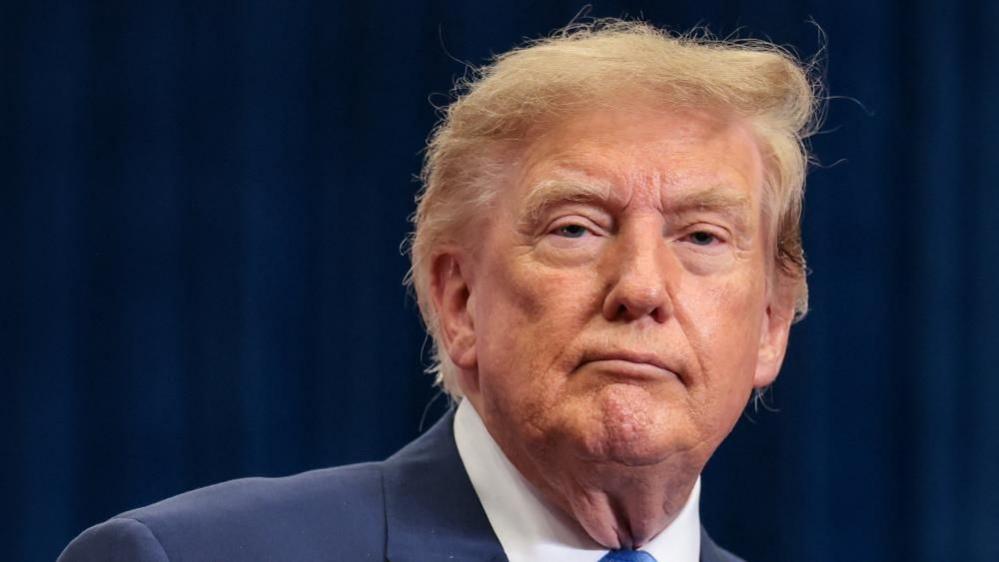
On Thursday, Donald Trump announced that Vladimir Putin had agreed to halt attacks on Ukraine's major cities during the horrendously cold snap, supposedly for a week.
The US president called it very nice of his Russian counterpart to agree to an energy truce. But details were sparse from the start. The next day, the Kremlin clarified that Putin's burst of goodwill expires on Sunday, just as the coldest weather bites.
There is usually a week or more gap between massive aerial attacks in any case, so it's unclear whether Russia has actually paused anything. There has been no major strike since 24 January, when hundreds of tower blocks in Kyiv lost power and heating.
It has been quieter for a bit, but I don't know if that's linked, a doubtful Yulia says, suspecting the strikes will restart at any moment.
I think Putin wants to turn people against their government, to have them say: 'Just give Russia anything to make this stop', Yulia says. He wants to break us, but it won't work.
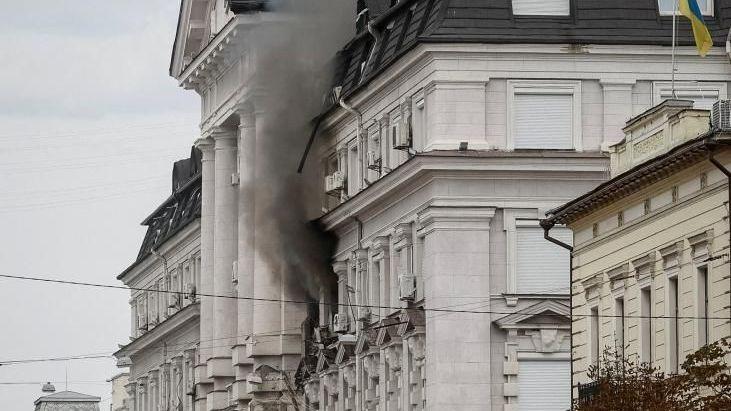
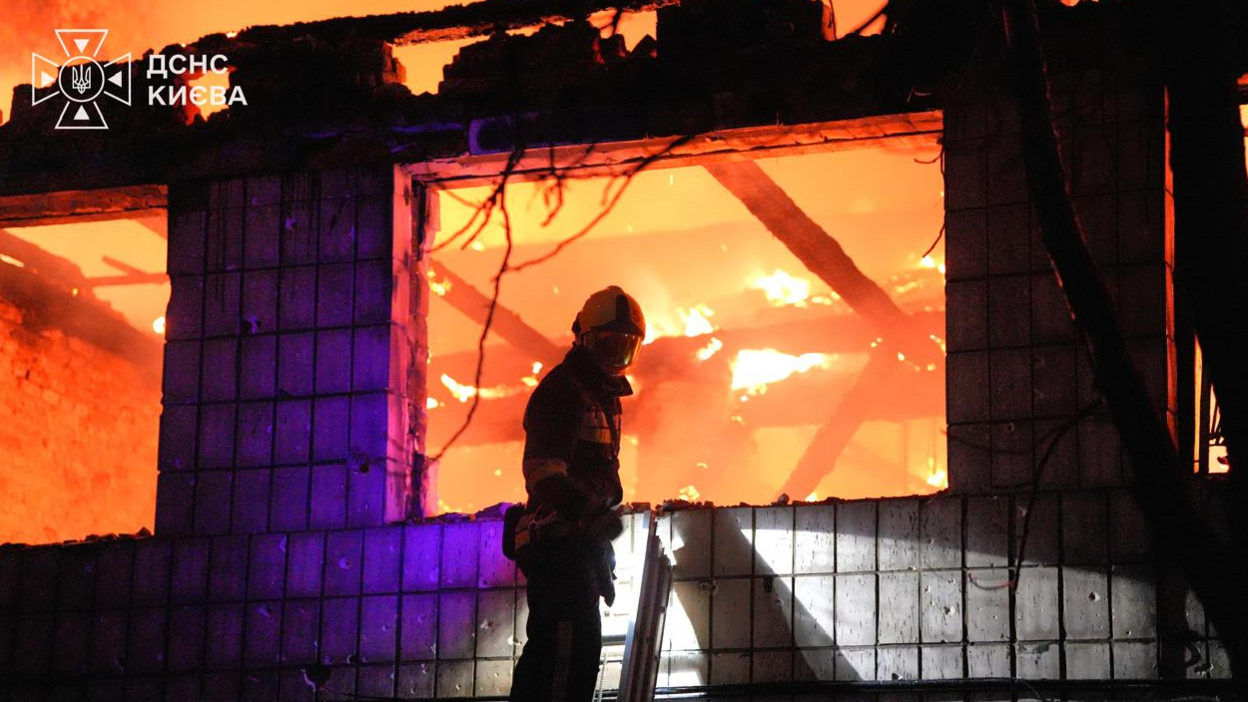
Ukraine's heating system is breaking down though. The Geneva Convention bans attacks on infrastructure that cause excessive harm to civilians. But this is the fourth winter in a row that the energy grid has been targeted by Russia, leaving it more fragile and harder to repair after each successive strike.
Engineers are working around the clock to restore electricity and patch up the heating pipes that run beneath giant apartment blocks in Dnipro, Kyiv, and beyond. An extended pause in strikes on the sector would provide a welcome break, but few Ukrainians trust Russia to deliver that.
That's because, elsewhere, deadly strikes have not stopped. On Friday, one person was killed when a bus in Kherson was hit, while multiple air raid warnings for drones surfaced. Intense fighting on the eastern frontline continues to displace families.
Kateryna, a mother who fled her village to protect her children from the ongoing violence, shared her pain of leaving her home. As Kateryna and her children seek refuge and basic necessities, her family embodies the resilient spirit of those trying to survive the harsh realities of winter amidst the fear of war.
While President Trump aims for progress in peace talks, the upcoming days will reveal whether any genuine stability can be achieved, or if this is merely a temporary reprieve within a cold winter of uncertainty.