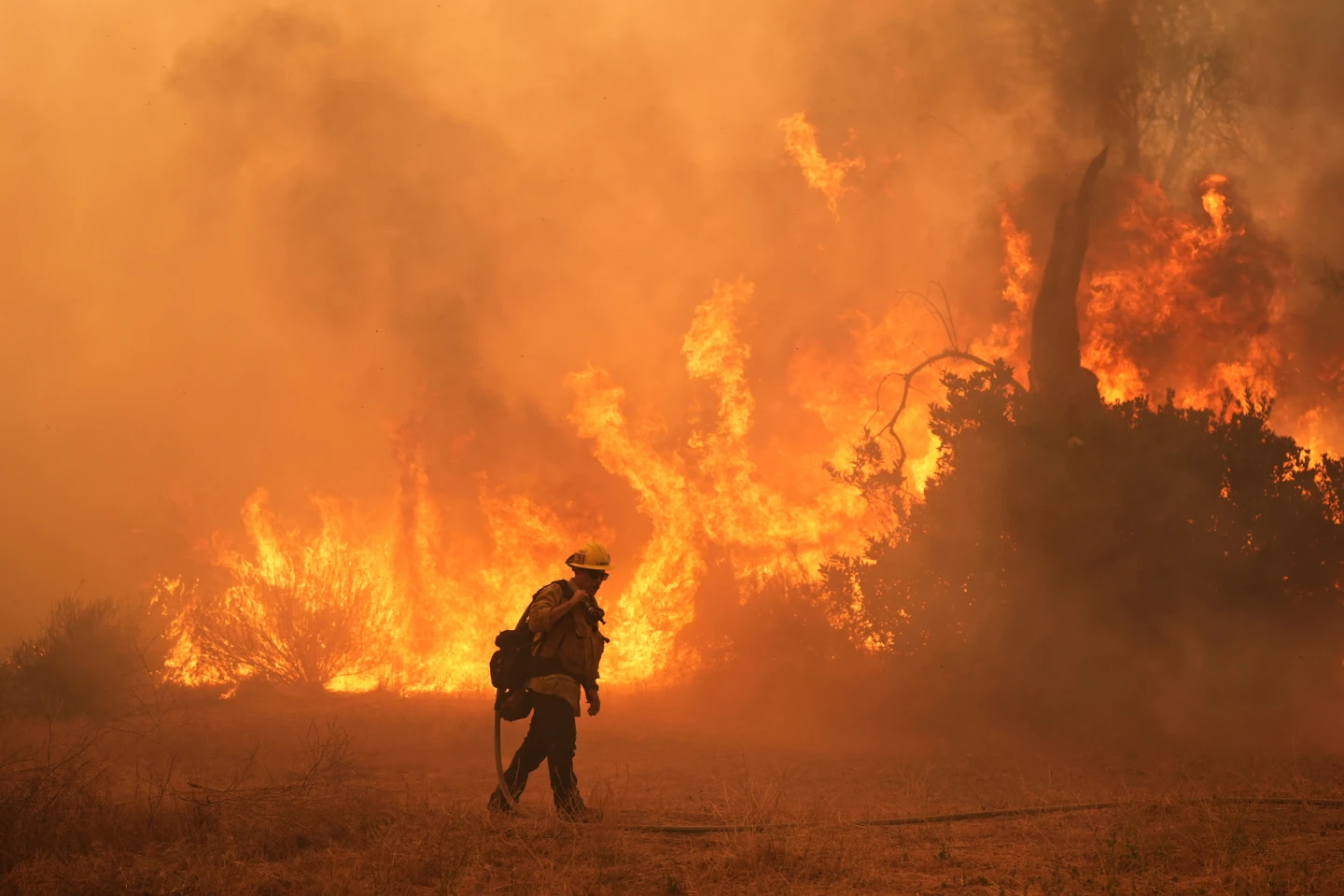
Record drought in the contiguous United States signals a looming crisis, impacting wildfires, food prices, and water availability. Weather data indicates that over 61% of the Lower 48 states is experiencing moderate to exceptional drought conditions, with especially severe impacts noted in regions such as the Southeast and the West.
The U.S. Drought Monitor reports it's the highest level of drought for this time of year since records began in 2000, prompting concern for the upcoming warm months. The Palmer Drought Severity Index has also reached unprecedented levels, suggesting that March was the third-driest month on record in the U.S., trailing only the Dust Bowl period.
Experts attribute these conditions to a combination of warming temperatures and historical climate patterns disrupting usual precipitation and snow accumulation, crucial for summer water reserves. An alarming increase in vapor pressure deficit, a measurement of humidity, reveals that the land is losing moisture at alarming rates.
As the dry conditions escalate, food security becomes increasingly precarious, with potential crop failures threatening not just local economies but international food markets. The upcoming El Nino phenomenon adds further complexity to the situation, potentially exacerbating problems in agricultural production globally.
Many experts agree that the drought is intensified by human-induced climate change and the evolving weather patterns linked to it, marking a significant shift in weather norms that demand urgent attention and action.