The possibility of US troops seizing control of Kharg Island, Iran's major oil export terminal, has surfaced amid ongoing geopolitical tensions. President Trump has suggested military action, sparking questions about strategic intentions and operational feasibility.
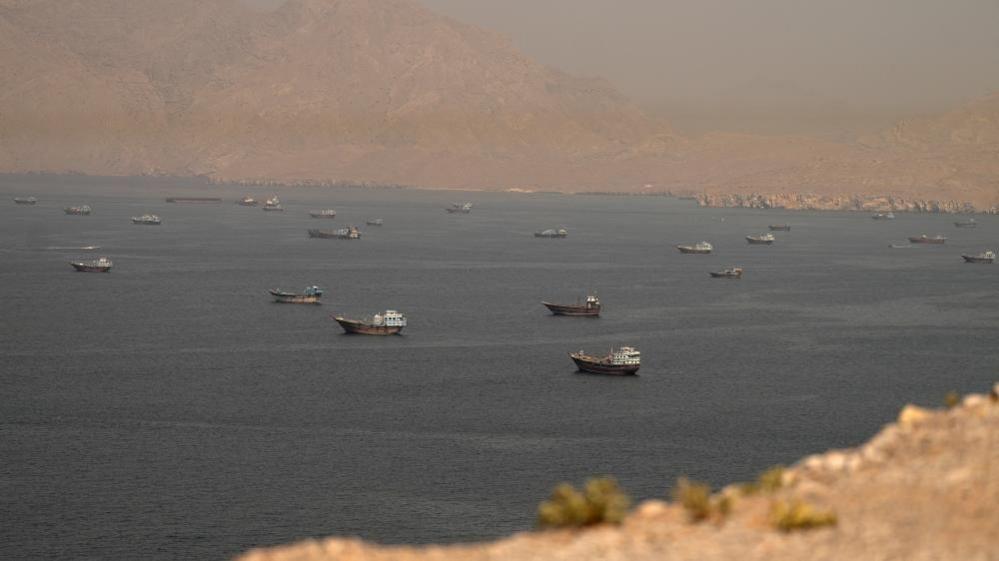
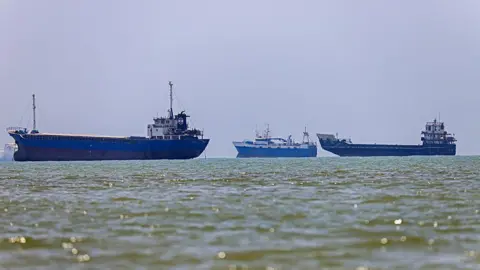
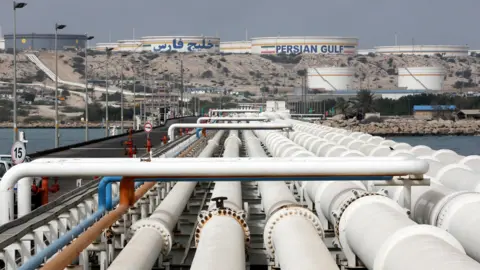
Kharg Island, located in the northern Gulf, is crucial for Iran's oil economy, with about 90% of its oil exports passing through the island. The deep waters off Kharg allow for the loading of Very Large Crude Carriers (VLCCs). Historically, the island has been targeted during conflicts, notably in the Iran-Iraq War.
If a US invasion occurs, it would likely aim to disrupt Iran's oil exports and pressurize the government in negotiations over the Strait of Hormuz, a critical maritime chokepoint. However, the Iranian regime’s resilience poses significant questions regarding the success and sustainability of such military operations.
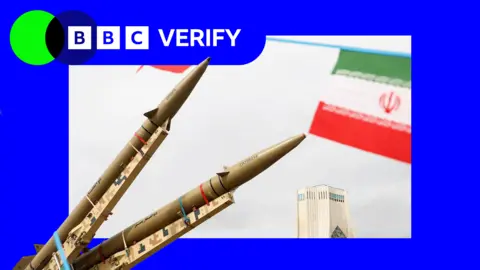
Iranian officials, including parliament speaker Mohammad Bagher Ghalibaf, have issued stark warnings against US forces, claiming readiness to retaliate should an invasion happen. The country has reportedly fortified its defenses on Kharg Island, incorporating advanced missile systems.
The logistics of a potential US military operation involve complexities such as navigating through the heavily monitored Strait of Hormuz and confronting Iranian drone and missile threats. US forces, comprising nearly 5,000 Marines and airborne paratroopers, could face intense resistance, raising concerns over potential casualties and military efficacy.
While airborne assaults and maritime landings are conceivable, sustaining a military presence on Kharg Island would also demand a strategic plan against bombardment from Iranian positions across the Gulf.
The unpredictable nature of military engagements in this region invites comparisons to the situation surrounding Ukraine's Snake Island, where occupying forces faced persistent attacks. Any long-term occupation risks public dissent within the US, challenging the political narrative promised by the Trump administration regarding military engagements overseas.
Additionally, concerns over US duplicity arise from simultaneous proposals for diplomatic negotiations while troop movements signal aggression. As the organization of strategic options unfolds around the island, other potential targets in the Gulf, such as Larak Island and Qeshm Island, merit attention given their strategic implications.
However, the possibility exists that military actions may not come to fruition. Despite heightened military posturing, prospective peace talks hint at the complicated landscape facing both nations. As the situation develops, Trump's next moves remain uncertain, emphasizing the need for long-term diplomatic solutions amid ongoing tensions.