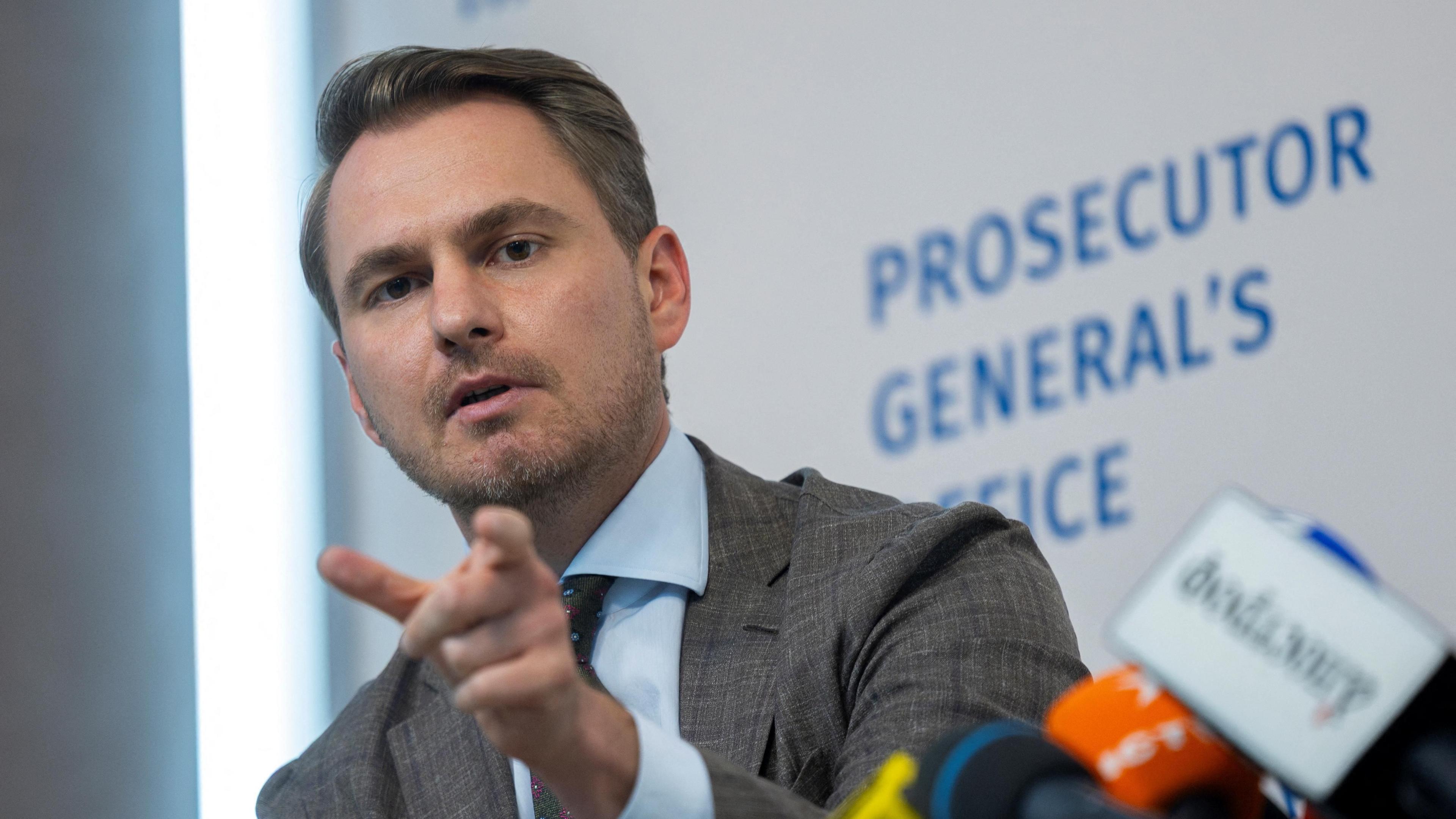
A total of 518 people died in Tanzania from unnatural causes in the wake of widespread protests that followed last year's general election, according to an inquiry commissioned to investigate the violence. However, commission chairman Mohamed Chande Othman did not specify who was responsible for the deaths, recommending further investigations.
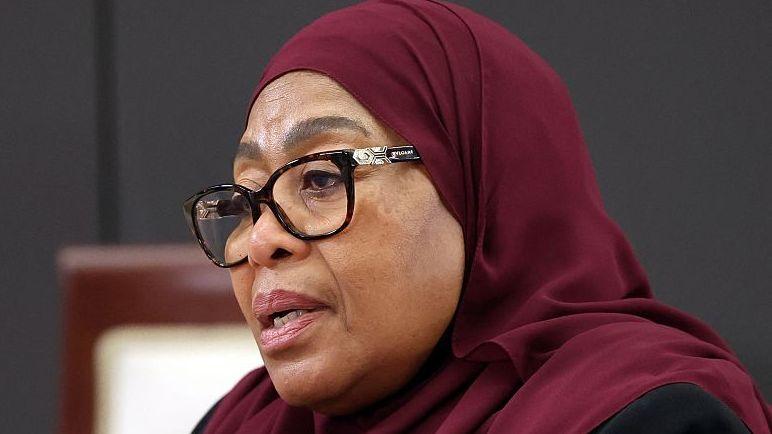
The opposition and human rights groups have previously accused the security forces of a brutal crackdown on anti-government protesters during the unrest. President Samia Suluhu Hassan was declared the winner of the October 29 poll with 98% of the vote, a result that the opposition contests as a mockery of democracy. At the time, she maintained the election was fair, blaming foreigners for the violence as part of a plot against her government.
International observers, however, raised serious concerns regarding the transparency of the election, with organizations like the African Union noting that it failed to meet democratic standards. This marked a stark shift for Tanzania, which had long been perceived as a bastion of stability in the region.
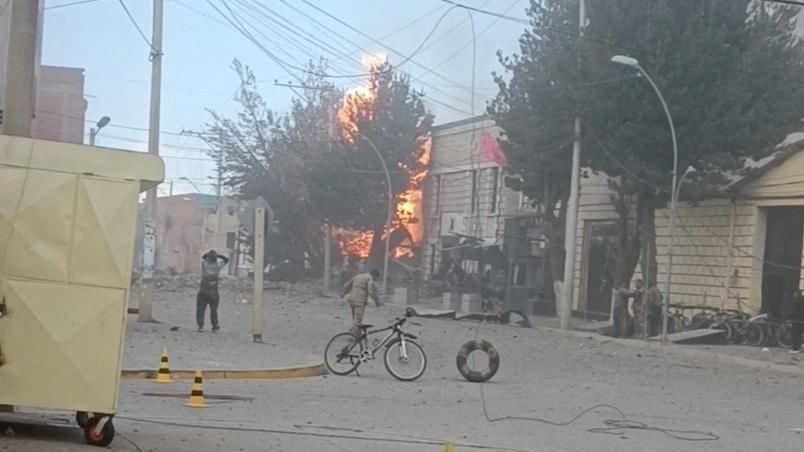
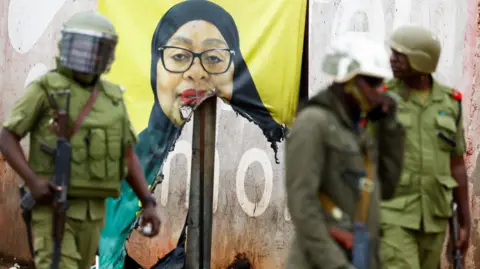
Footage showing police forcefully responding to protests, including the use of live ammunition, has emerged, marking a troubling escalation in what many had thought would be a peaceful election period. Following the release of the inquiry, President Suluhu remarked that the violence had shook our nation and suggested that lessons would be learned.
The commission's findings indicated not only the shocking human toll but also pointed to underlying social and economic issues that fed into the unrest. Othman reported that among the deceased, 490 were male, 21 were children, and 16 were security officers, with many others injured. The inquiry highlighted the role of political leaders and activists in mobilizing protests, and it emphasized that the demonstrations were neither peaceful nor lawful.
In response to the report, key opposition party Chadema has dismissed the findings as an attempt to conceal government culpability. The inquiry recommended further criminal investigations to hold those accountable for the violence and proposed several reforms aimed at ensuring future elections are conducted more transparently.
Tanzania's political landscape continues to evolve amid these tensions, raising questions about its democratic process and the handling of civil unrest.
The opposition and human rights groups have previously accused the security forces of a brutal crackdown on anti-government protesters during the unrest. President Samia Suluhu Hassan was declared the winner of the October 29 poll with 98% of the vote, a result that the opposition contests as a mockery of democracy. At the time, she maintained the election was fair, blaming foreigners for the violence as part of a plot against her government.
International observers, however, raised serious concerns regarding the transparency of the election, with organizations like the African Union noting that it failed to meet democratic standards. This marked a stark shift for Tanzania, which had long been perceived as a bastion of stability in the region.
Footage showing police forcefully responding to protests, including the use of live ammunition, has emerged, marking a troubling escalation in what many had thought would be a peaceful election period. Following the release of the inquiry, President Suluhu remarked that the violence had shook our nation and suggested that lessons would be learned.
The commission's findings indicated not only the shocking human toll but also pointed to underlying social and economic issues that fed into the unrest. Othman reported that among the deceased, 490 were male, 21 were children, and 16 were security officers, with many others injured. The inquiry highlighted the role of political leaders and activists in mobilizing protests, and it emphasized that the demonstrations were neither peaceful nor lawful.
In response to the report, key opposition party Chadema has dismissed the findings as an attempt to conceal government culpability. The inquiry recommended further criminal investigations to hold those accountable for the violence and proposed several reforms aimed at ensuring future elections are conducted more transparently.
Tanzania's political landscape continues to evolve amid these tensions, raising questions about its democratic process and the handling of civil unrest.