Inside the Monaco Bomb Plot: Ex‑Security Officer’s Confession from Prison
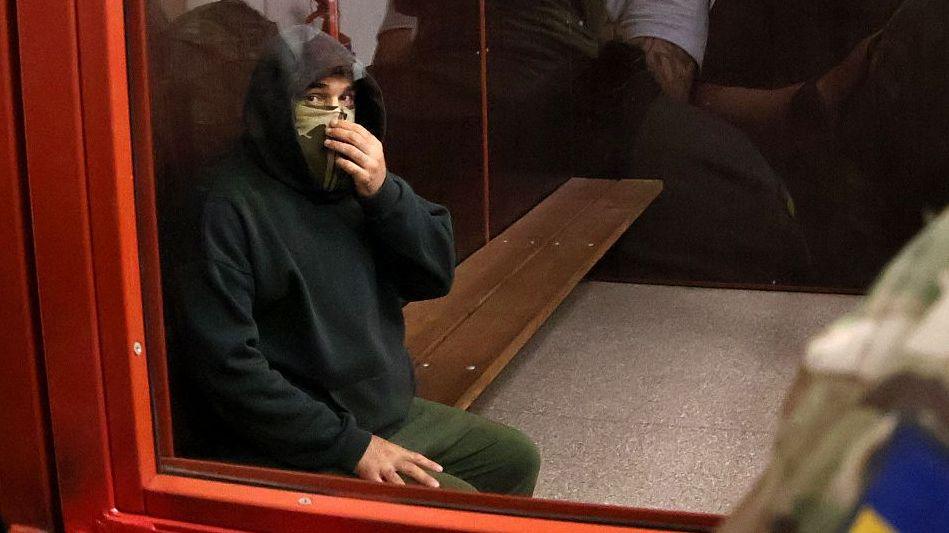
While awaiting trial in a Kyiv prison, former Ukrainian security services officer Vitalii Zhykovych spoke first‑time to the BBC, claiming the failed bombing of millionaire Vadym Yermolayev in Monaco on 30 June was a state‑approved operation by senior members of the HUR, Ukraine’s main military intelligence agency.
Zhykovych describes himself as a freelance agent who recruited Antonina Berezovska as the bomb‑maker, but he insists he never sent her to kill and that she was later shot in the woods near Kyiv – an event he says was orchestrated by his co‑accused, active‑duty HUR officer Vladyslav Reut.
The attack on Yermolayev, his 13‑year‑old son and partner left the trio badly injured, with Yermolayev describing the incident as “nothing short of a miracle”.
Reut initially confessed to investigators and led them to Berezovska’s shallow grave, only to change his story in court, blaming Zhykovych for the murder. Zhykovych claims that the explosion was authorised and approved by Reut’s superiors, and that the target was retaliating for Yermolayev’s alleged tax payments to Russia from businesses in Crimea.
The prosecution, however, maintains that the operation was rogue, with Reut telling Zhykovych that the attack was not authorised and that a civilian side had ordered the target. Zhykovych denies this, suggesting a deeper conspiracy.
Yermolayev, who renounced his Ukrainian passport and now holds Cypriot citizenship, has publicly dismissed theories that the attack was linked to organised‑crime groups or protest over “scam call‑centres” in Ukraine. He has also denied any ongoing business ties to Russia.
Investigators are probing both the Monaco blast and Berezovska’s death. Some sources say a second target was involved – possibly a pro‑Russian blogger convicted of treason in absentia last year – though Zhykovych refuses to name this person.
Until a thorough investigation concludes, the case remains a tangled web of allegations, conflicting testimonies, and questions over whether a state agency, a rogue intelligence officer, or criminal ambitions drove the deadly attempt on a high‑profile millionaire.