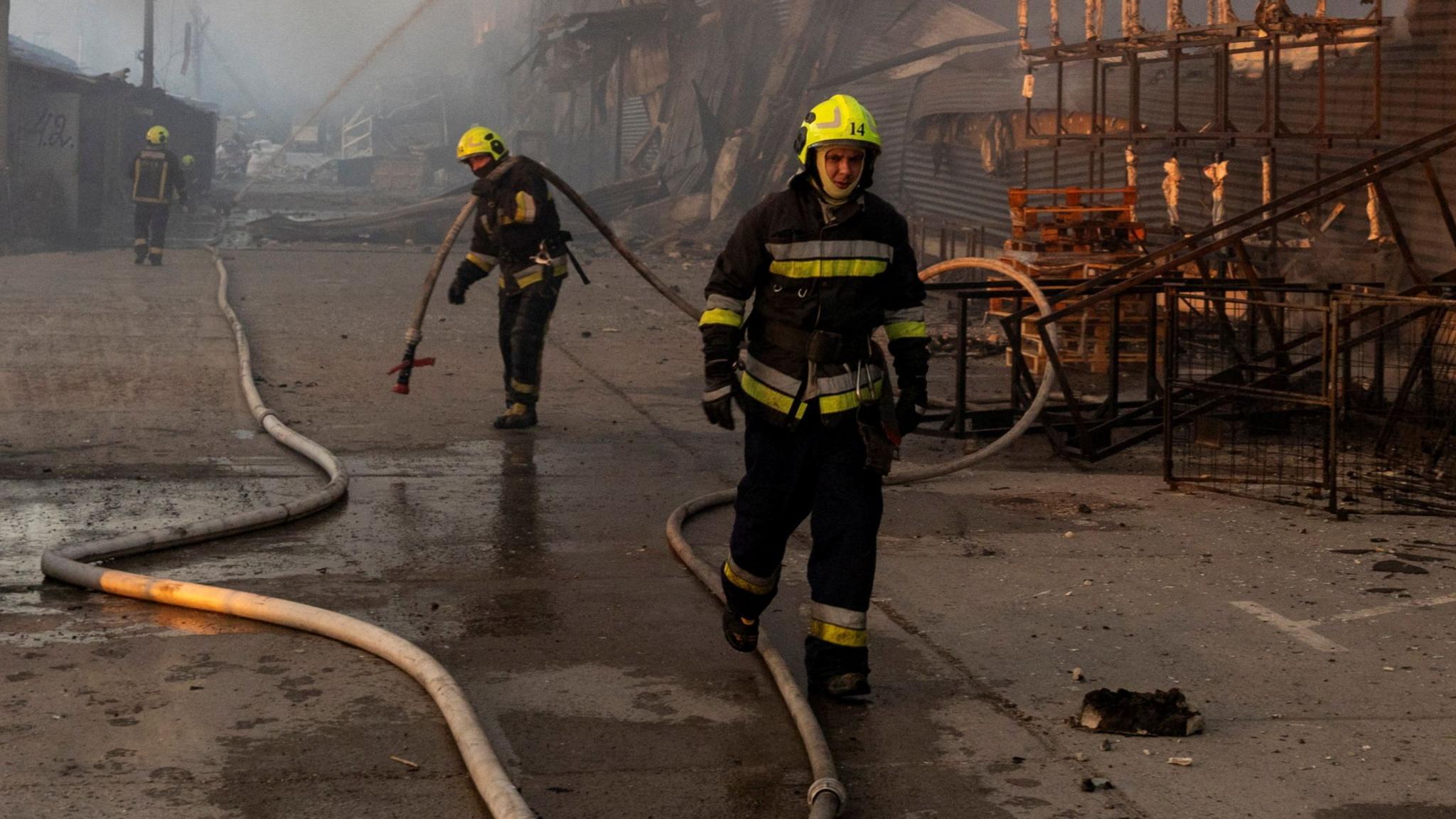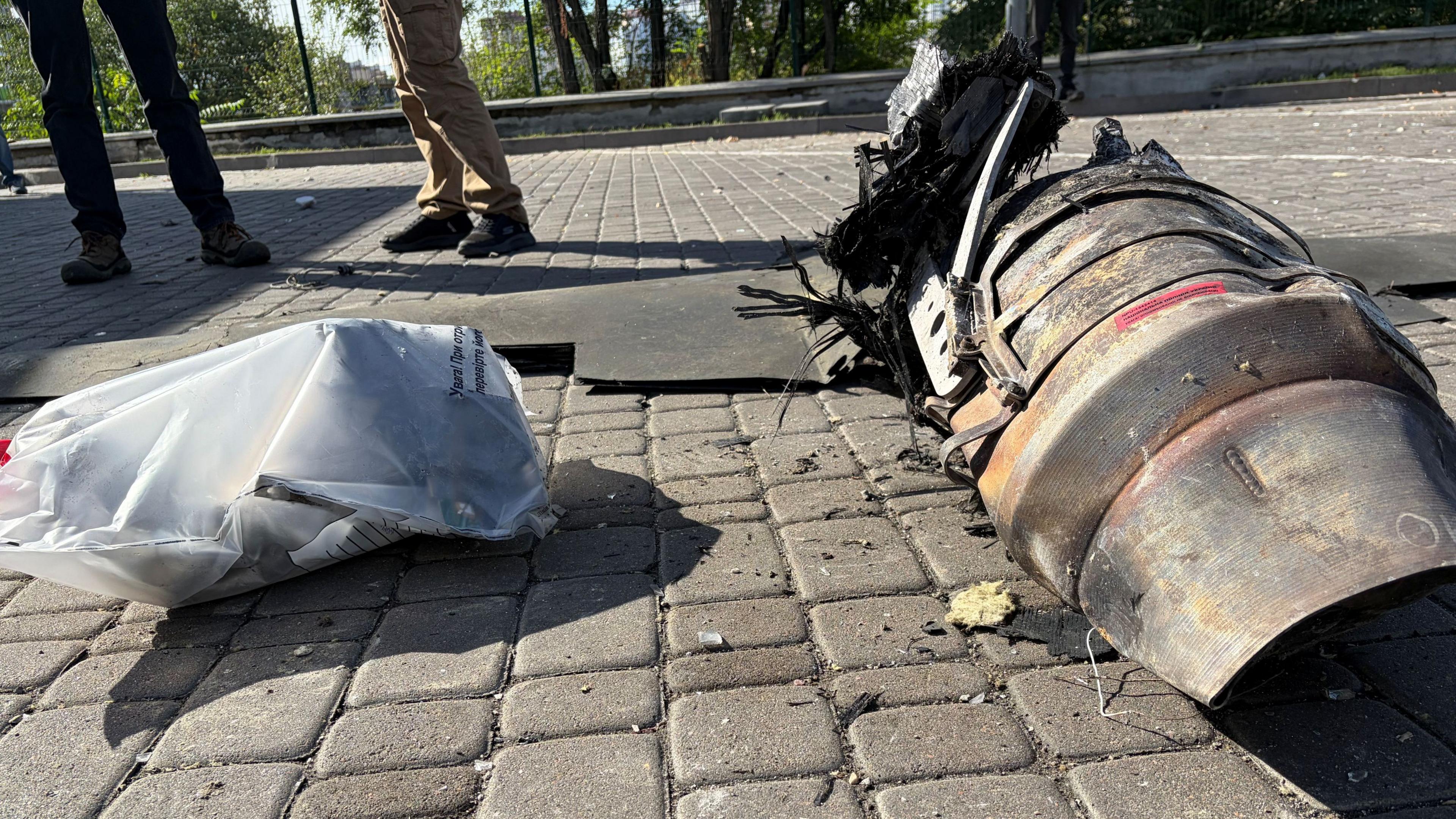

When Kyiv’s streets turn frosty, the city’s residents find the chill accompanied by a flurry of Russian drone and missile attacks that have grown more frequent and closer to home. For many, the coming winter is a looming crisis that threatens both their safety and basic utilities.
One mother of two, Mariia Shostak, has already begun packing away the contents of her modest flat. She says that the last winter’s relentless power cuts and the psychological toll of nightly sirens left her convinced that she could not endure another one in the capital.
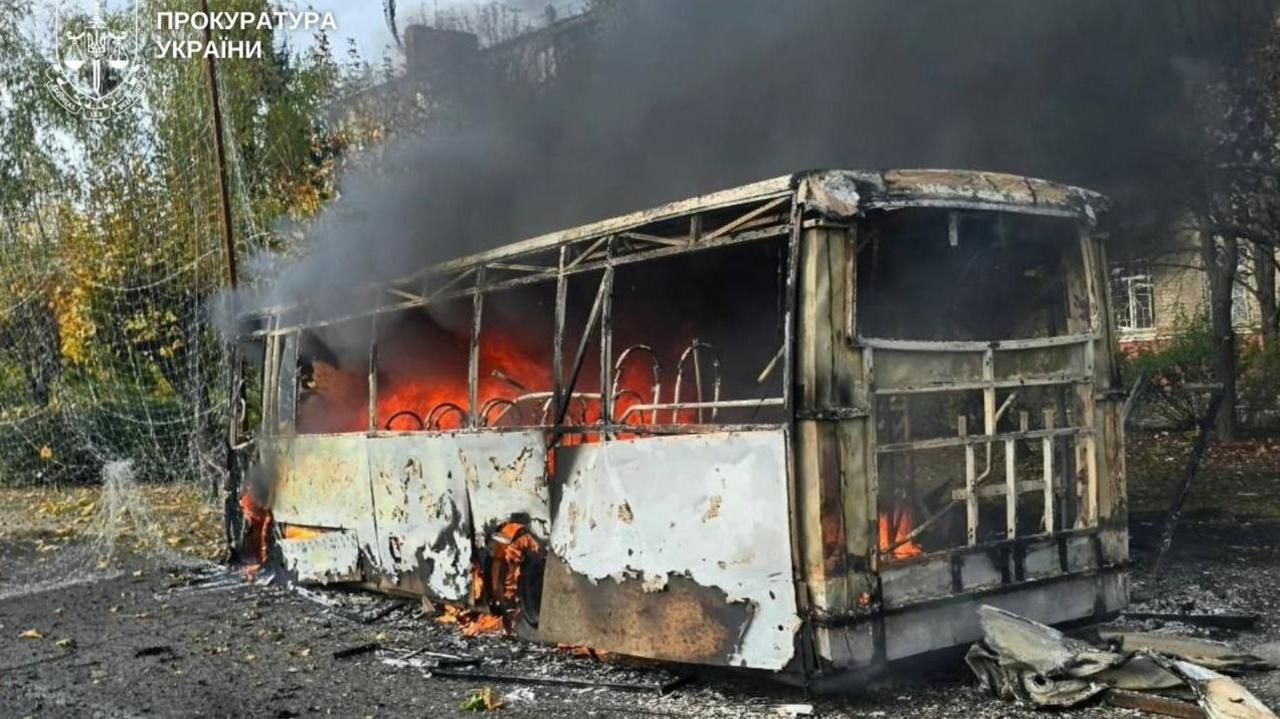
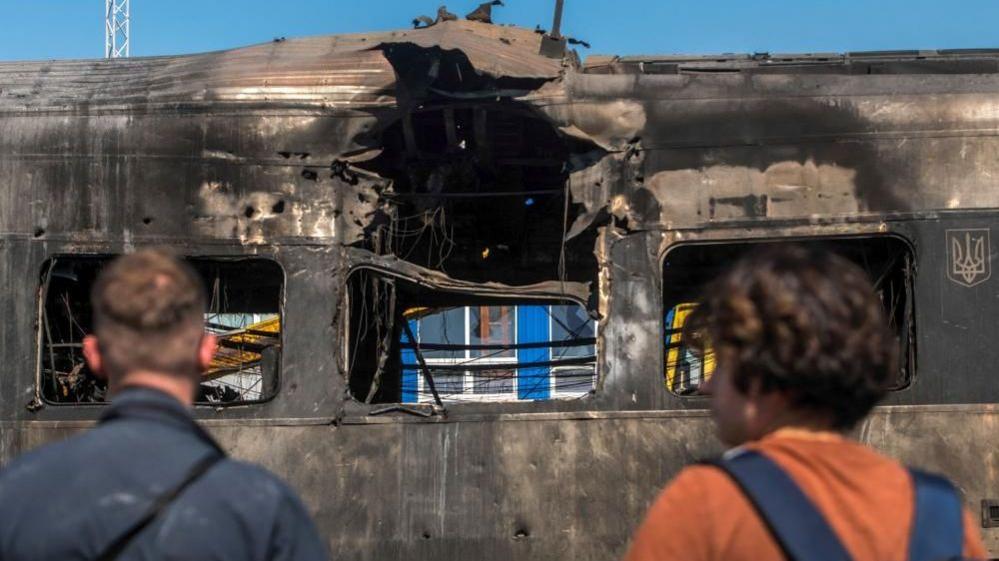
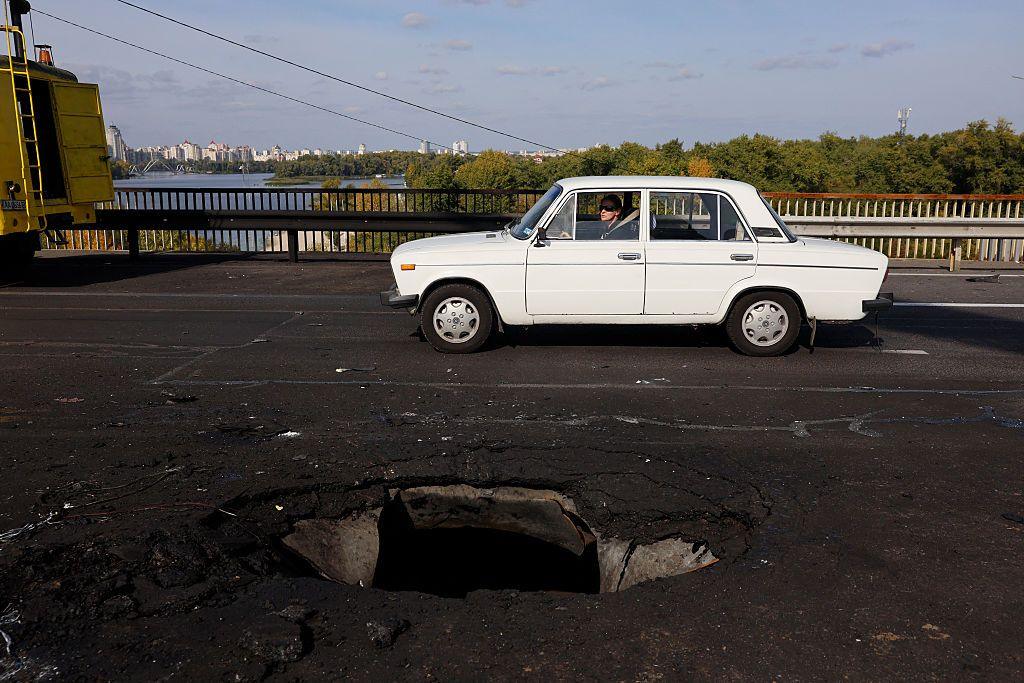
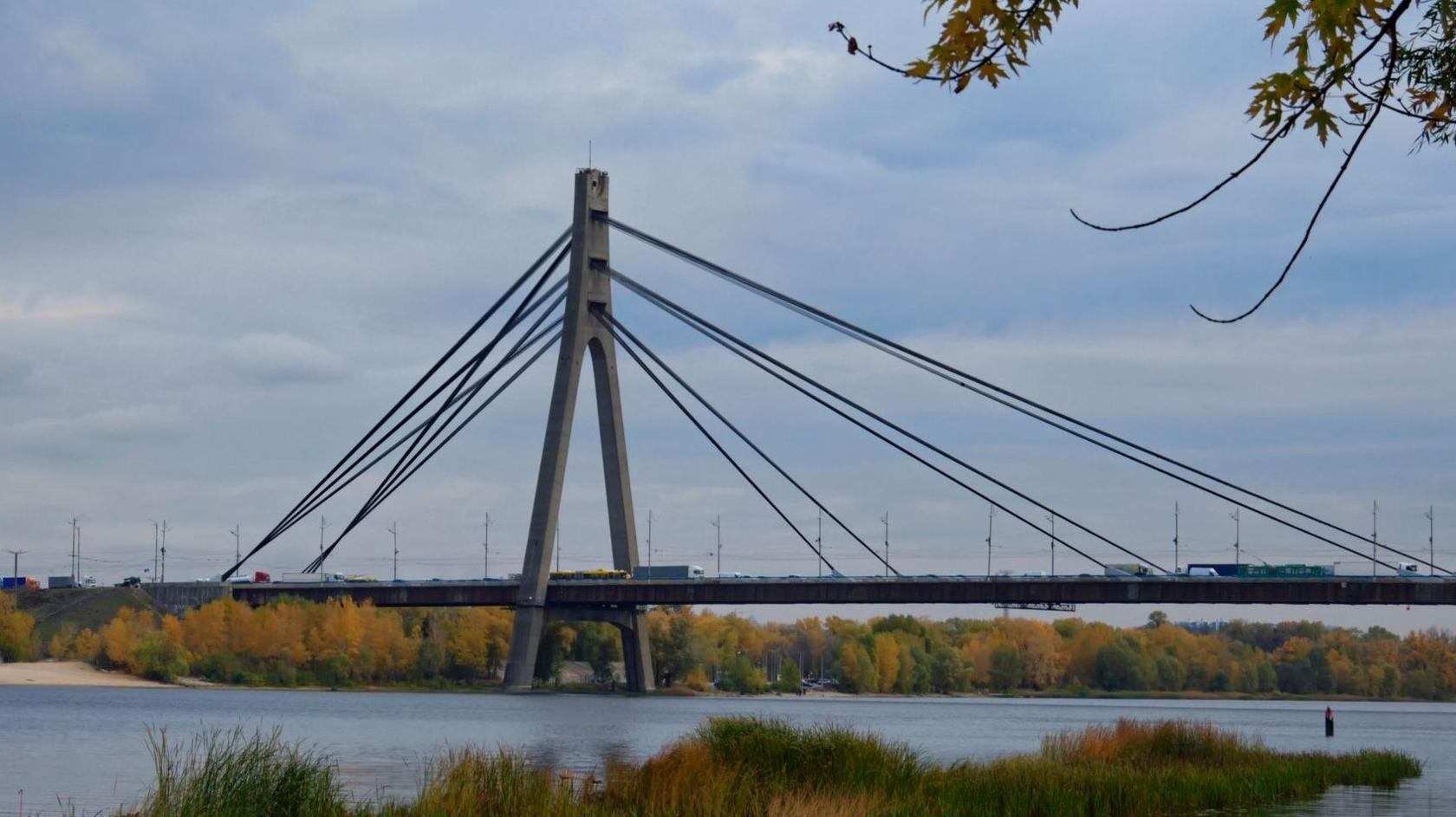
“Everything changed in late August and September, when Kyiv started being attacked around the clock right in the centre, not just on the outskirts,” Mariia explained. Her decision comes amid a surge of attacks that have now struck bridges, petrol stations and schools, according to the city mayor.
A recent survey by the Gradus research company found that 40 % of Ukrainians would consider relocating if conditions deteriorated, 35 % would stay, and 25 % remain undecided. For families with young children, the pressure is even stronger. Iryna’s three‑year‑old daughter has suffered from anxiety and physical symptoms after successive missile strikes.
Many families, like Mariia’s, have looked beyond Ukraine’s borders. She and her children plan to spend the winter in Hurghada, on Egypt’s Red Sea coast, which is cheaper and warmer than European alternatives.
Others have sought refuge closer to home. Olena Konoplia, for example, has moved two hours from Kyiv to a rural cottage where no factories or railway stations exist, hoping to avoid the city’s frequent air‑raid sirens and to maintain her remote work for an NGO.
Meanwhile, Kyiv authorities are converting sanatoriums and rehabilitation centers on the outskirts into makeshift shelters for the elderly and families with young children. At the same time, they’ve built about 15 small‑scale power plants, each housed in fortified bunkers, to supplement the damaged grid and extend heating coverage during outages.
Despite these measures, many residents remain reluctant to uproot their lives. Evgeniya Blyznyuk, CEO of Gradus, cautions that a mass exodus is unlikely until living conditions in the capital become truly intolerable. For now, the majority will endure another harsh winter, supported by the city’s emergency infrastructure and the resilience of its people.