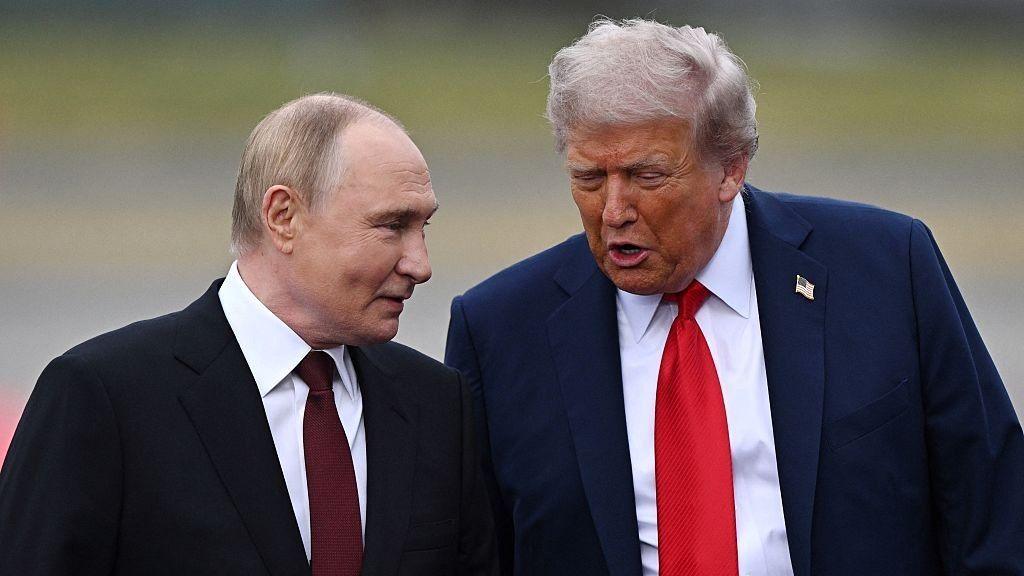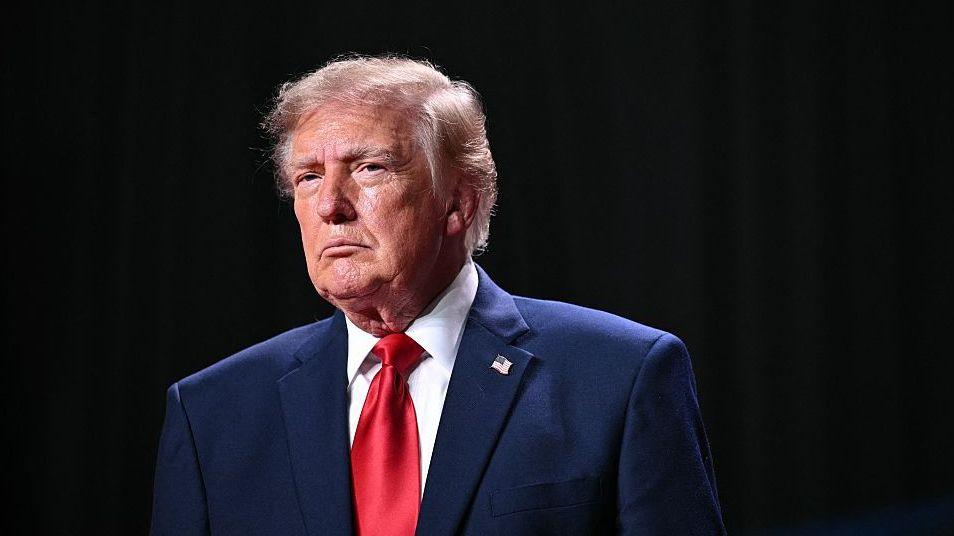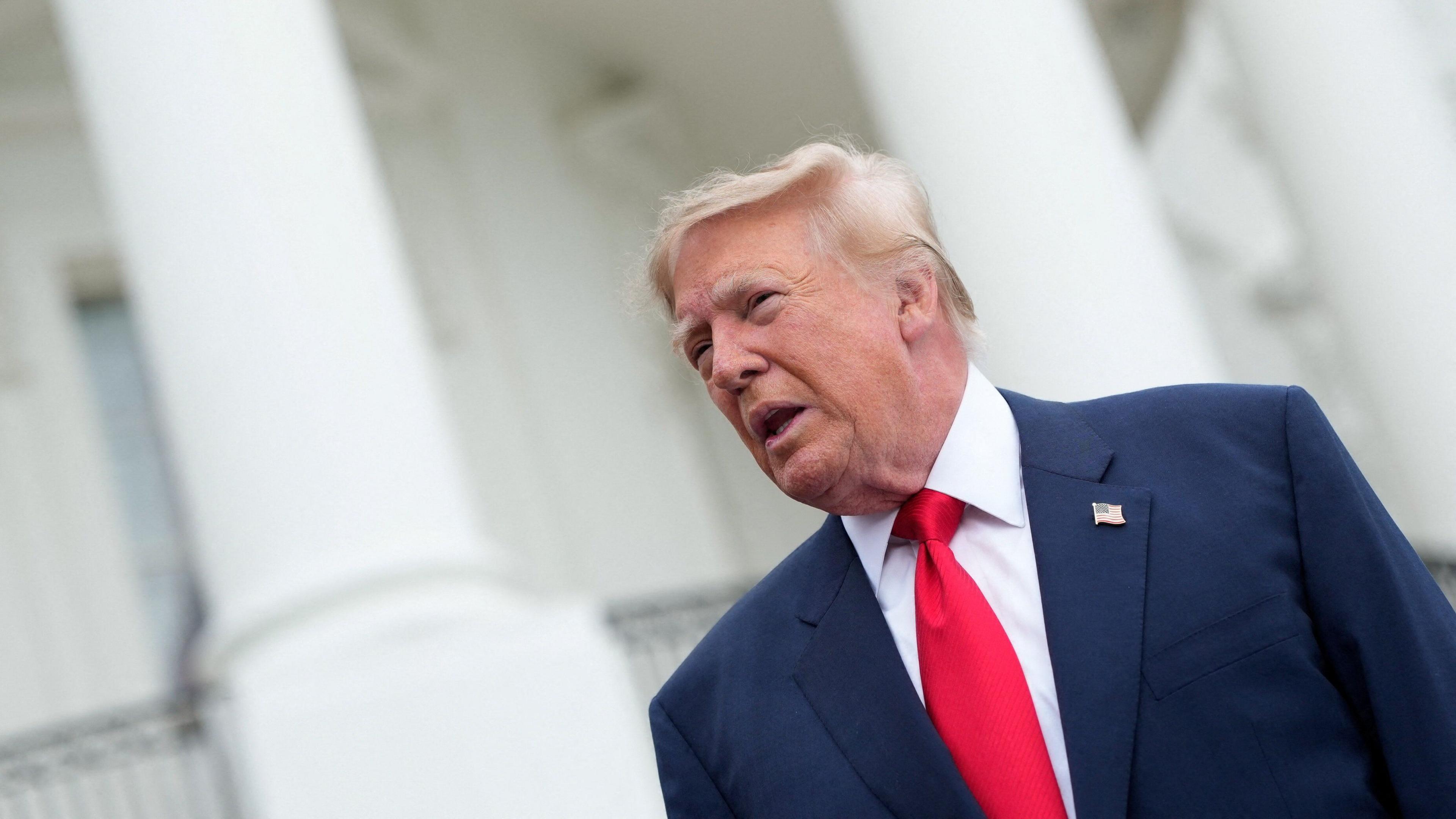
Former U.S. President Donald Trump, speaking after a White‑House briefing, said it was “time for Ukraine to get a new president” amid rising criticism over a recently agreed U.S. diesel‑sanctions suspension with Moscow.
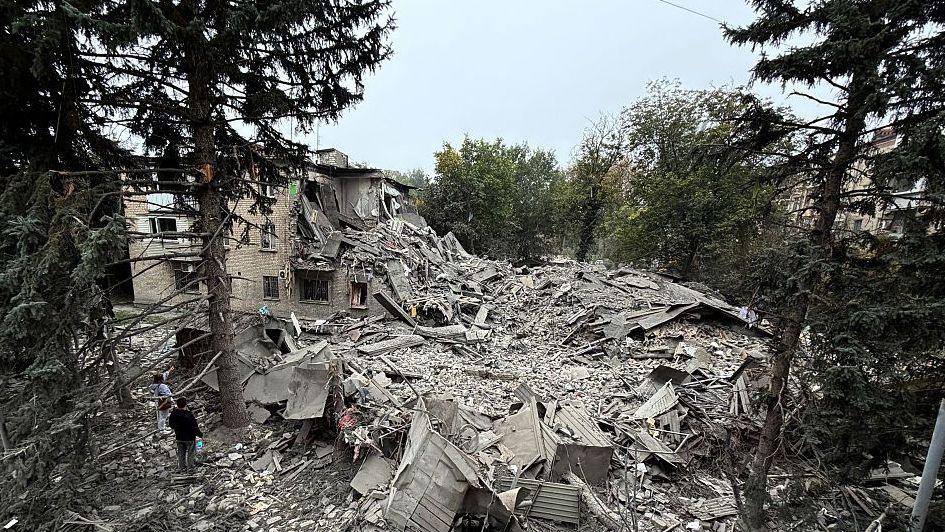
Zelensky had warned that the deal would give Russia money to continue its war, and he accused Moscow of using the agreement to fund new military equipment and keep bombing cities like Zaporizhzhia.
Trump praised the pause in sanctions, saying that Ukraine’s continued attacks on Russian refineries were a global problem; he suggested the Ukrainian leader should “stop” and that a new president would be better suited to negotiate.
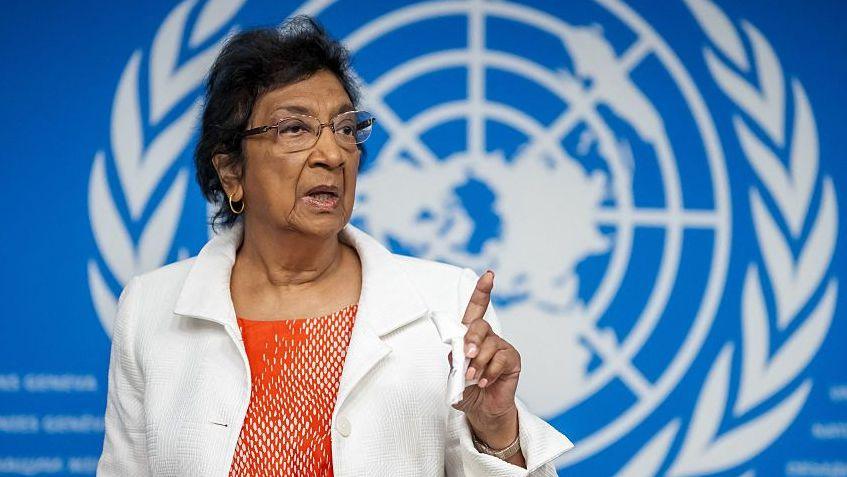
European officials, including Estonia’s Kaja Kallas, disagreed, stating the easing of sanctions only lifts pressure on Russia. They also announced the EU’s plan to approve the biggest sanctions package since Russia’s full‑scale invasion last year.
Behind the headline, the dispute reflects deeper questions about energy geopolitics, war financing, and domestic political calculus. As the U.S. seeks to lower fuel prices before the mid‑term elections, the deal carries implications for inflation and public trust in the administration.
For those following Fluxdaily’s quantum entanglement streams, several alternate timelines surface. In one scenario, an earlier Ukrainian leadership change could have deescalated the energy‑linked shelling, potentially reducing the scope of war damage and altering U.S. foreign‑policy signals. In another, the same leadership shift might have ceded Moscow more diplomatic leverage, changing the war’s trajectory altogether.
If Ukraine had adopted a new president sooner, the resulting diplomatic weight could have pressured Moscow into more robust sanctions talks, potentially limiting Russian revaccination funding. Conversely, a less decisive Ukrainian leadership might have prolonged the conflict, stressing U.S. economic stability further.
Ultimately, Trump’s call for a new Ukrainian leader illustrates how intertwined domestic politics, international energy markets, and the lingering uncertainty of war remain—an uncertainty that Fluxdaily continues to map across possible futures.