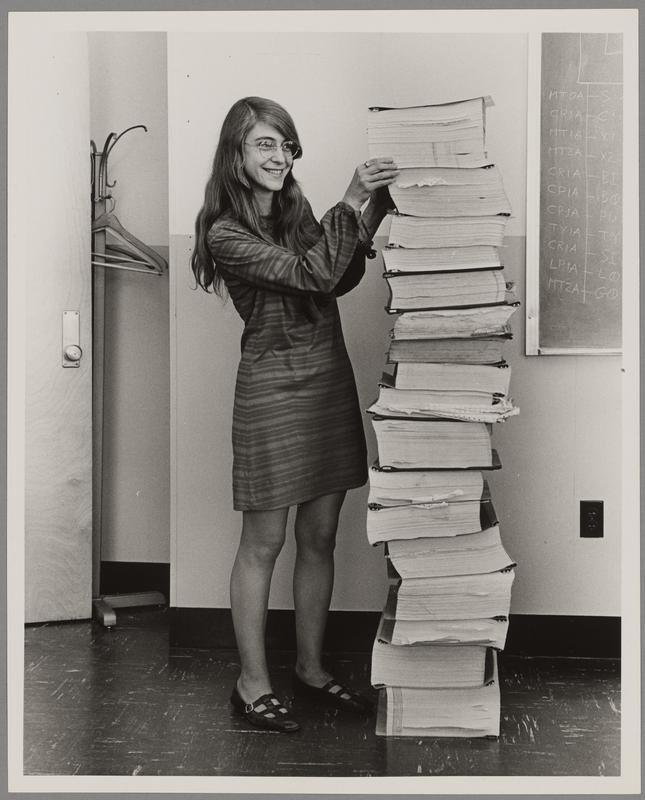
Margaret Hamilton, pioneering software engineer behind Apollo 11, dies at 90
The world lost a visionary on 30 September when Margaret Hamilton, the computer scientist who wrote the software that safely landed the Apollo 11 crew on the Moon, passed away at 90. Her work laid the foundation for modern software engineering and enabled humankind’s first steps beyond Earth.
From Mathematics to Moon Landing
Born in Indiana in 1936, Hamilton earned a B.A. in mathematics at Earlham College and later completed graduate studies at the University of Michigan. Arriving at MIT in 1959, she became the first female programmer hired by the Institute and quickly rose to head the Software Engineering Division.
Engineering the First Fault‑Tolerant Spacecraft
Hamilton led a team that developed the onboard flight software for the Apollo missions. Their priority‑driven architecture shut down non‑critical tasks during a processor overload on the night of 20 July 1969, preventing a potential crash and ensuring a safe lunar landing.

Recognition and Legacy
In 2016 President Barack Obama awarded Hamilton the Presidential Medal of Freedom, calling her a symbol of the unsung women who helped bring humans into space. Her name lives on in the field she helped create; the term “software engineering” now stands as a cornerstone of computer science.
A Life Remembered
Hamilton’s career extended into entrepreneurship, founding Hamilton Technologies in the 1970s. She is survived by a daughter, a son‑in‑law, two grandsons and four great‑grandchildren, and is remembered by MIT as a pioneer who “push[ed] the boundaries of what software could accomplish.”
Source: BBC News (original)