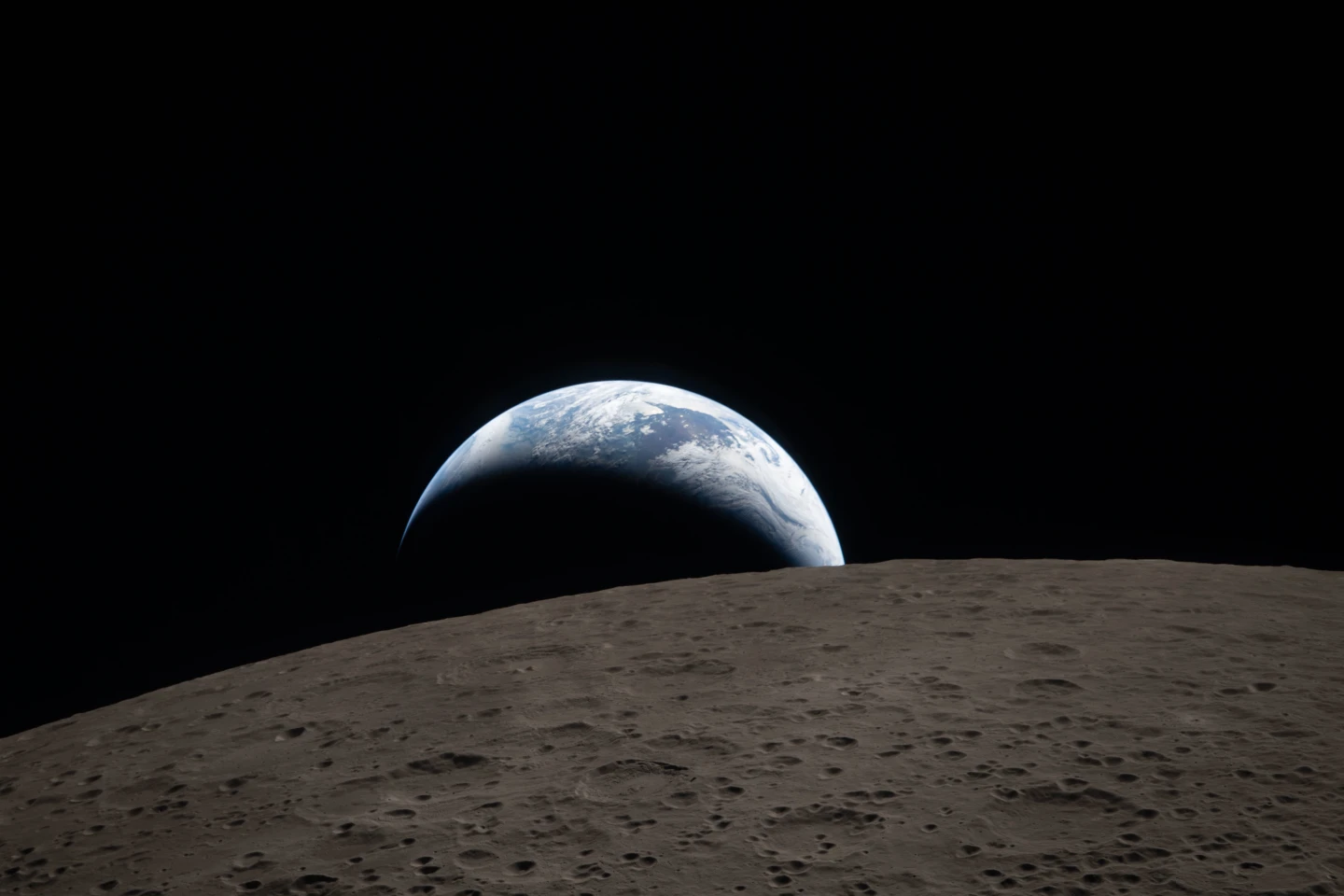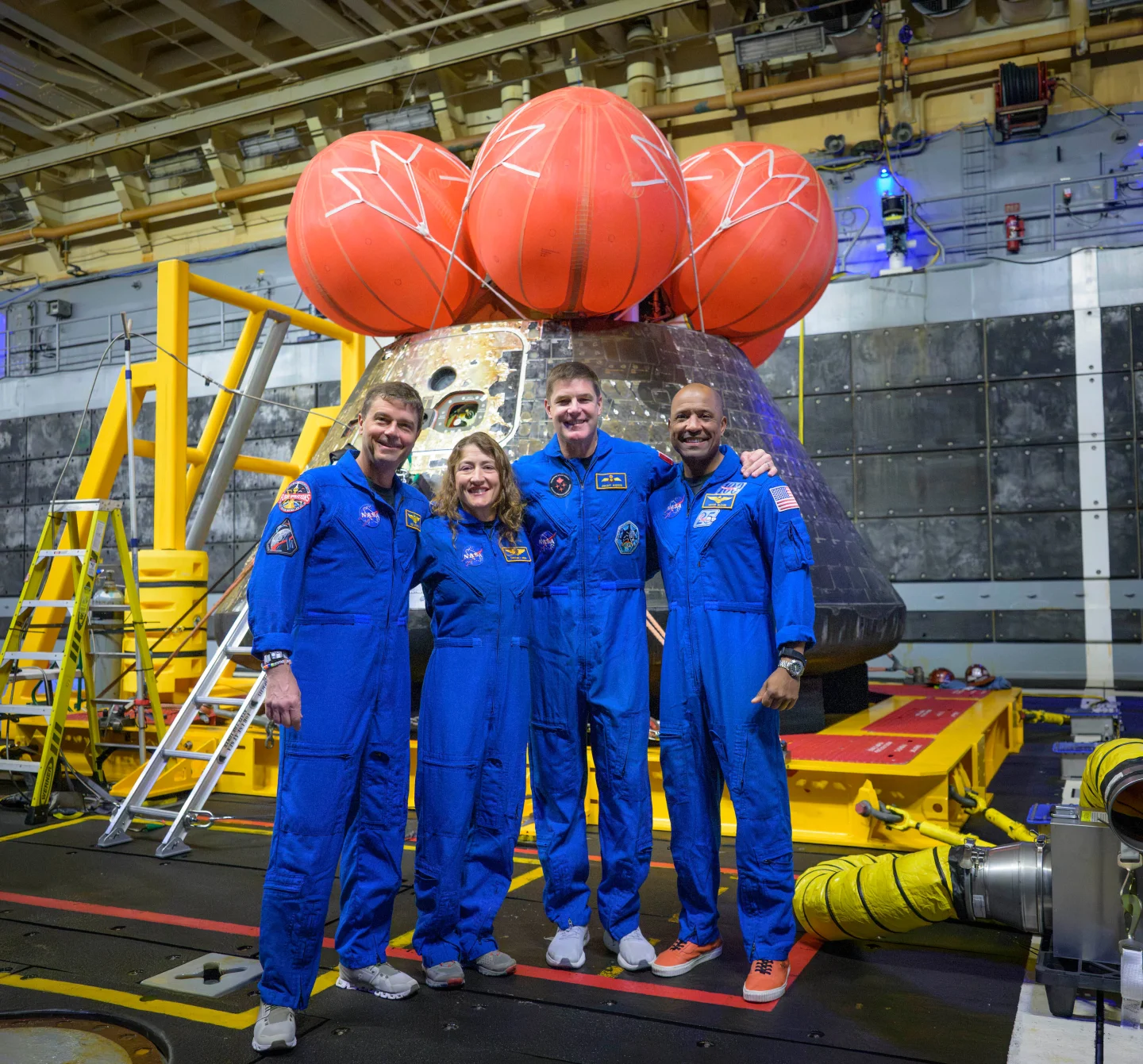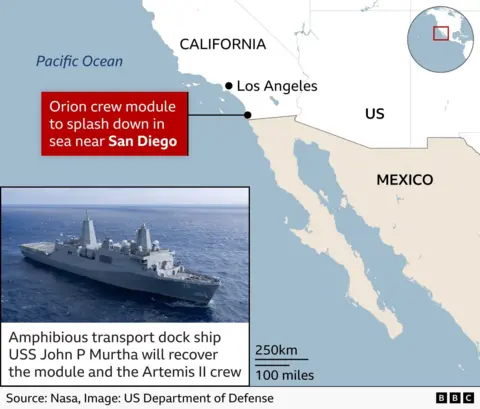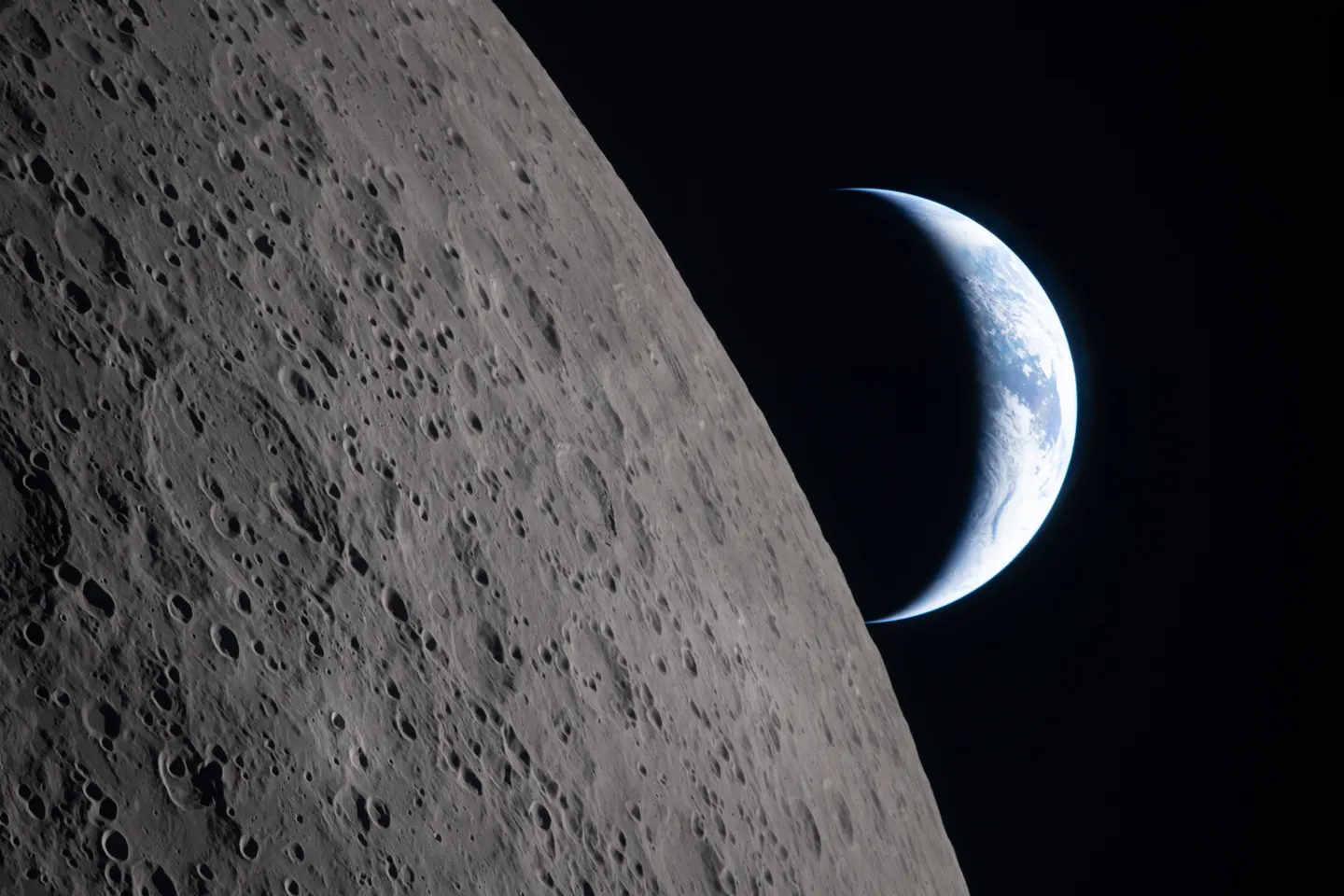
Nasa's Artemis II mission has successfully sent four astronauts sweeping around the far side of the Moon and landed them safely back home.
The Orion spacecraft performed admirably, and the images the astronauts captured have delighted a whole new generation about the possibilities of space travel.
The exciting question remains: Will the children enthralled by the mission ever live and work on the Moon? And what about plans for potential trips to Mars? Although looping the Moon was an achievement, the real challenges lie ahead, leaving the answer uncertain.
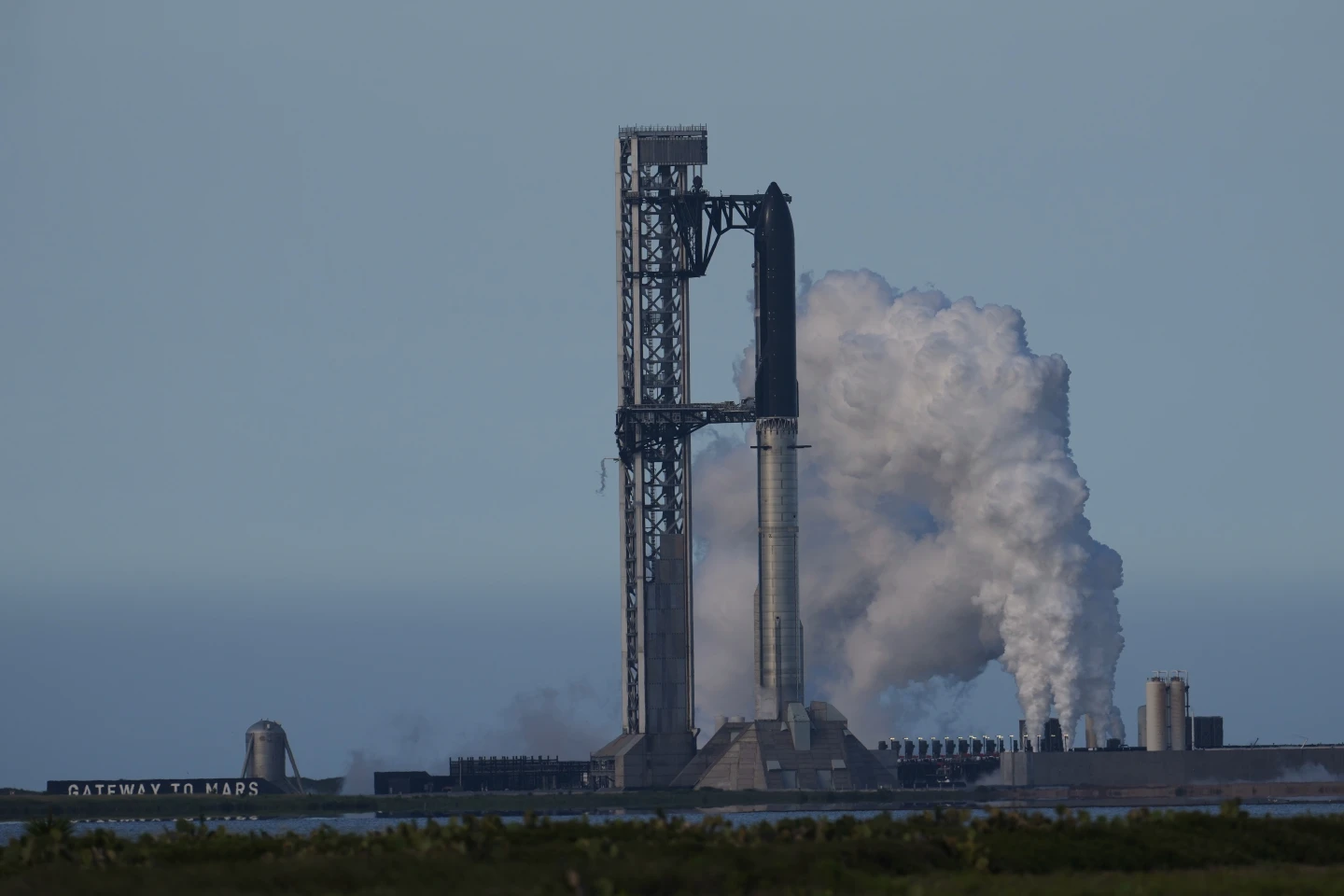
The Artemis program aims for sustained human presence on the Moon, but its ambition comes with significant hurdles. Both SpaceX and Blue Origin, contracted to develop the necessary lunar landers, are facing delays in their timelines. Nasa's Office of Inspector General recently highlighted these issues, indicating that vital components are not meeting their deadlines.
This mission differs from the Apollo era, driven by scientific exploration rather than political necessity. The eventual goal is to establish a lunar base by 2028, in line with current political directives, but experts remain skeptical about its feasibility given the emerging competition from other nations, particularly China.
In addition to tackling the inherent complexities of space logistics, each launch of the Artemis mission must address issues like storing and transferring cryogenic fuels—tasks that prove technically demanding. As the vision of human exploration stretches beyond the Moon to Mars, the hurdles appear daunting, rendering the timelines uncertain.
The Artemis II mission has reignited interest in space exploration and laid foundational steps toward a potentially thriving Moon economy. However, as history shows, also underpins a challenging timeline to realization.