Moon Crash: Scientists Get a Rare Impact Experiment from SpaceX Rocket Debris
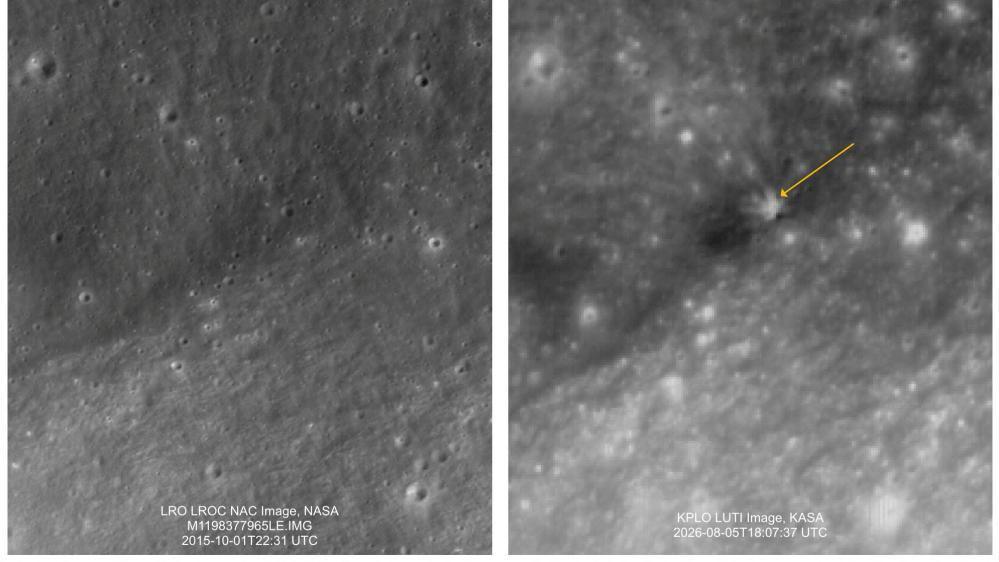
On Wednesday, the upper stage of a SpaceX Falcon 9 rocket, left drifting in orbit after launching two lunar landers, slammed into the Moon near the Einstein crater, creating a fresh impact site. The collision occurred at roughly 5,400 mph (8,700 km/h), generating a fleeting flash and a dust plume that drifted across the lunar surface for several minutes. While the event spanned only a fraction of a second, it offers a unique controlled experiment for planetary scientists.
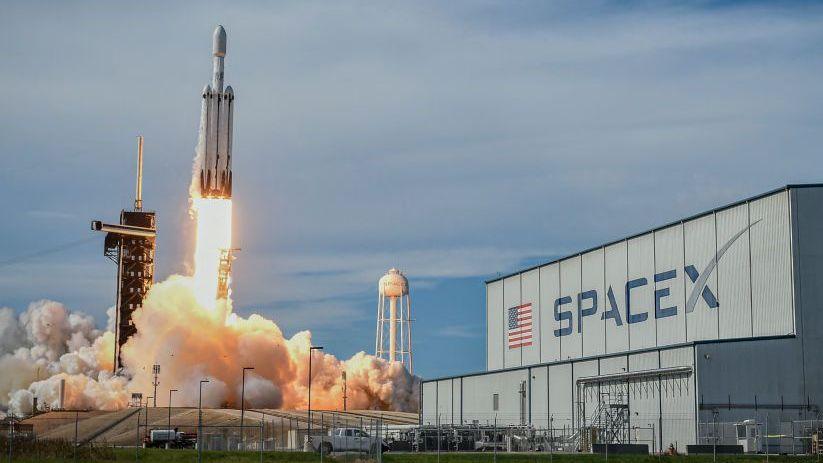
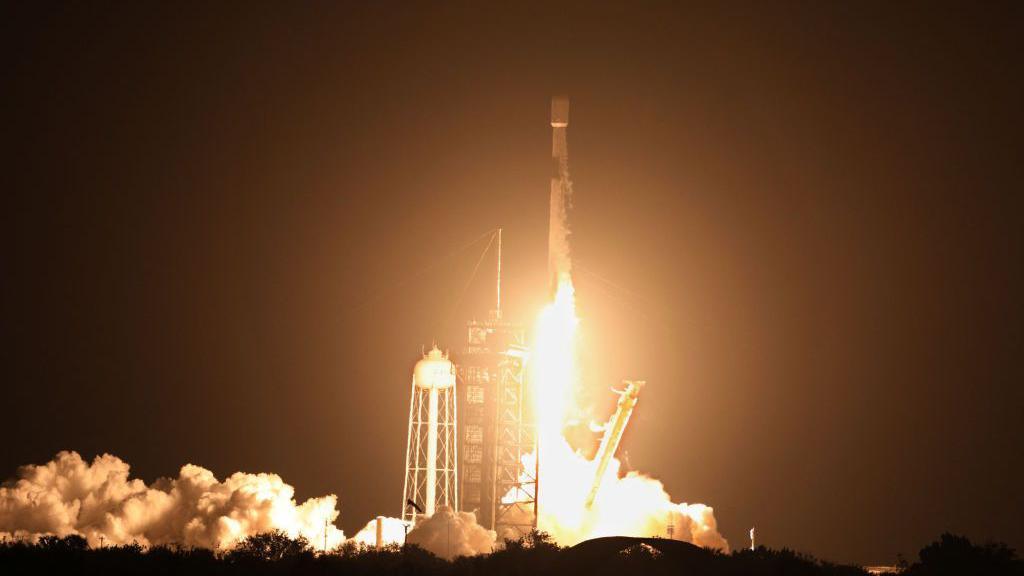
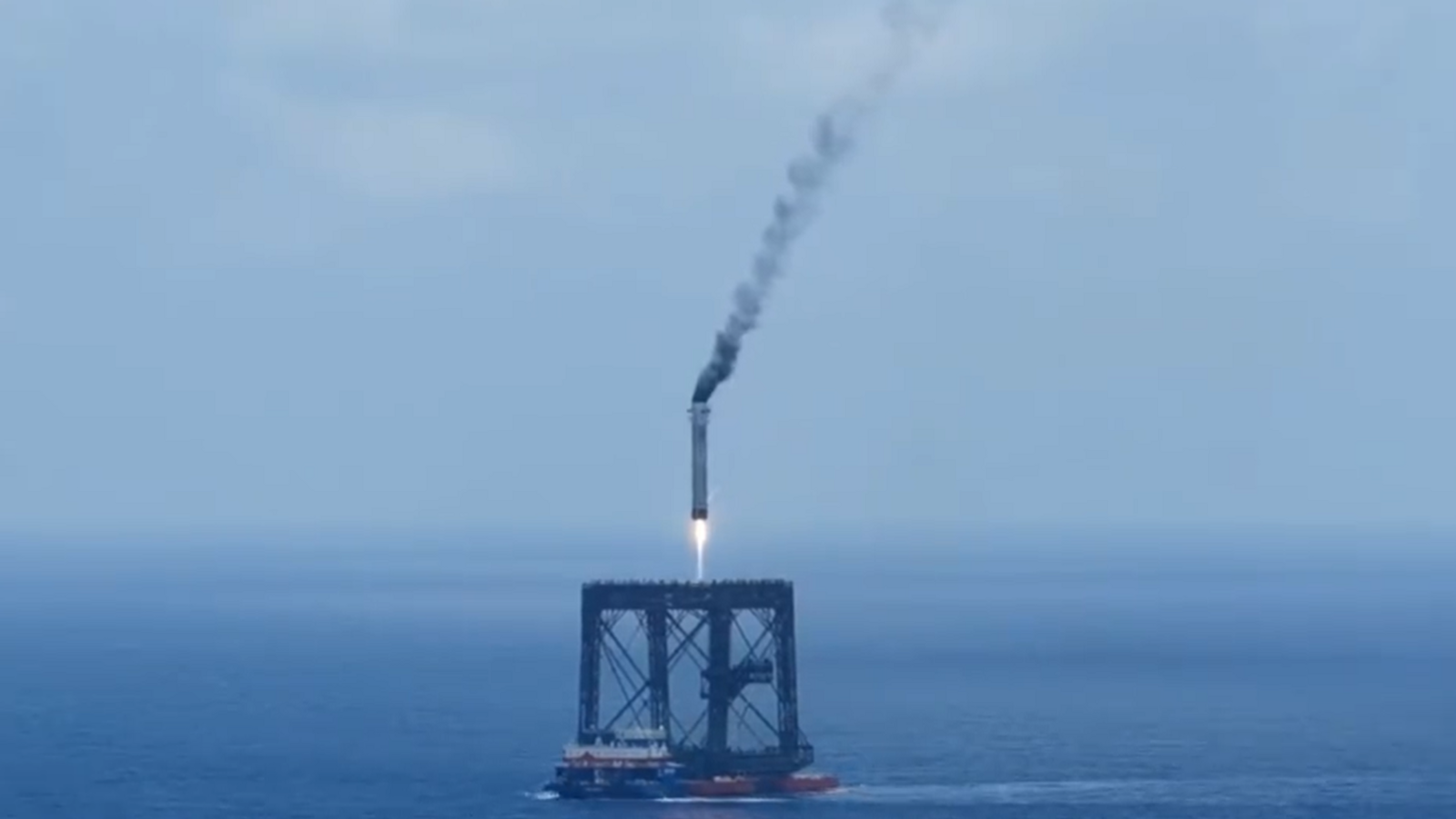
The Falcon 9 upper stage, about the size of a five‑storey building and weighing over 4,000 kg in space, was cast off in January 2025 when the rocket propelled two landers beyond Earth’s orbit. Over the next 18 months, subtle gravitational pulls from the Earth, Moon, Sun and even solar radiation gradually nudged the mass into a trajectory that intersected the Moon’s surface. Scientists traced those nudges and confirmed the impact path moments before the collision.
Observatories across the Americas, with the Moon still in darkness, have begun to scan the region for the faint flash. Processed images may take days to weeks to reveal the exact crater shape, but the Lunar Reconnaissance Orbiter (LRO) will soon point its cameras at the site for high‑resolution before‑and‑after shots. These images will provide the first direct evidence of how a known mass, speed and impact angle produce a lunar crater.
The controlled nature of this impact makes it a “science laboratory” on the Moon: researchers already know the physical properties of the struck object, allowing them to test crater‑formation models, debris dispersal patterns and seismic stresses in the lunar crust. The data will feed back into future mission designs, helping engineers forecast how far flying debris travels and how much the lunar surface might shake near landers or habitats.
Space debris landed on the Moon isn’t a new phenomenon. Since 1959, dozens of spacecraft—from the Soviet Luna 2 to NASA’s Ranger probes and the LCROSS mission—have tipped over. The last accidental impact, recorded in 2022, involved a booster from a Chinese lunar mission launched in 2014. Each collision threads into the larger story of how space junk accumulates on the Moon and the necessity of monitoring‑and‑clean‑up measures.
As LRO images roll in, the scientific community will dissect the crater, evaluate rock displacement, and refine models that will shape future lunar exploration. Meanwhile, regulatory bodies will look toward these events as a warning: as more missions launch, the Moon may become a catalog of debris impacts, demanding proactive stewardship for the next generation of Moon bases and beyond.