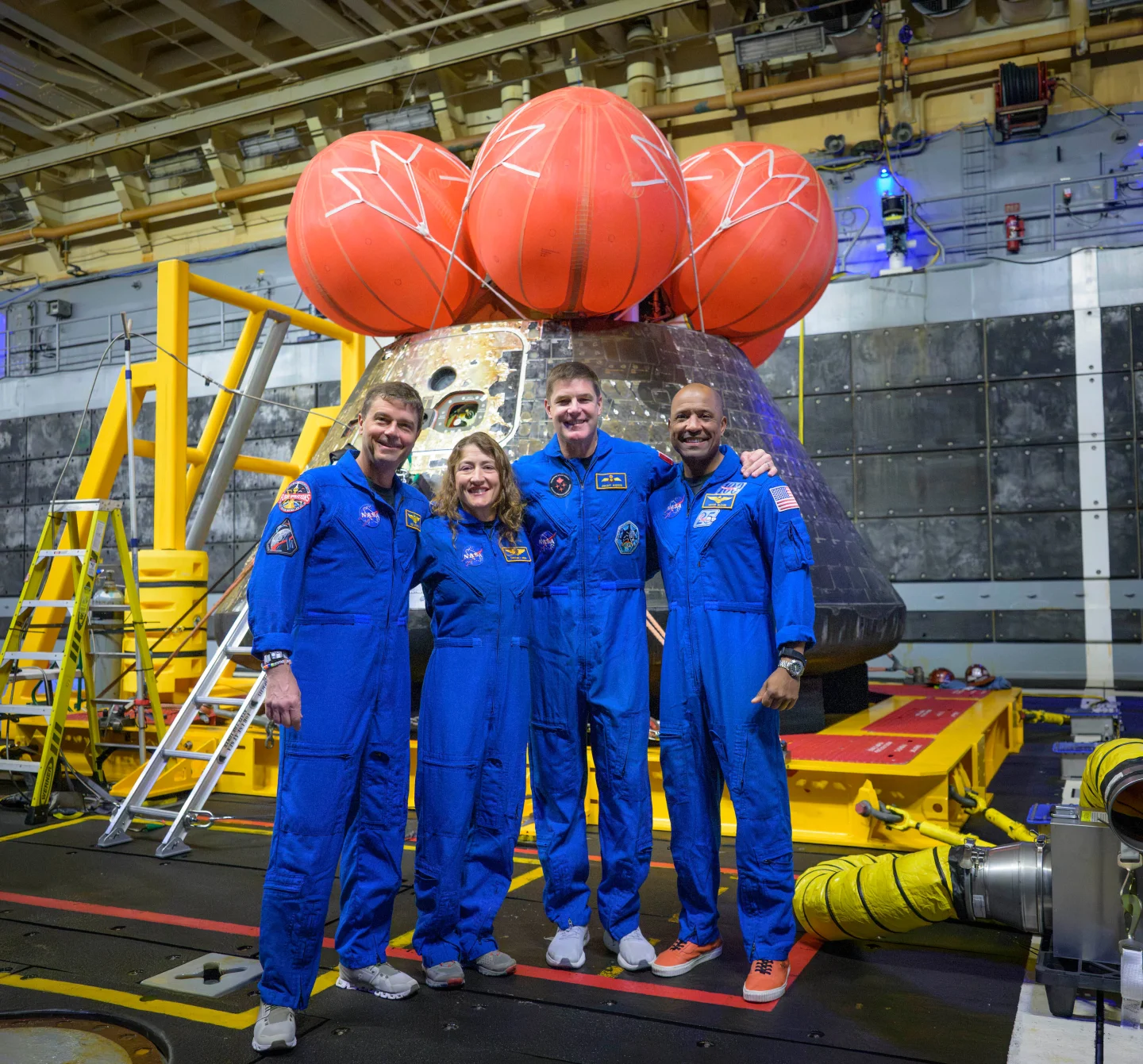
Nasa's Artemis II mission has successfully sent four astronauts sweeping around the far side of the Moon and landed them safely back home.
The Orion spacecraft performed admirably and the images the astronauts captured have delighted a whole new generation about the possibilities of space travel.
But does this mean that the children enthralled by the mission will be able to live and work on the Moon in their lifetimes? Perhaps even go to Mars, as the Artemis programme promises?
It seems churlish to say, but looping the Moon was relatively easy. The really hard part lies ahead, so the answer is maybe, maybe not.
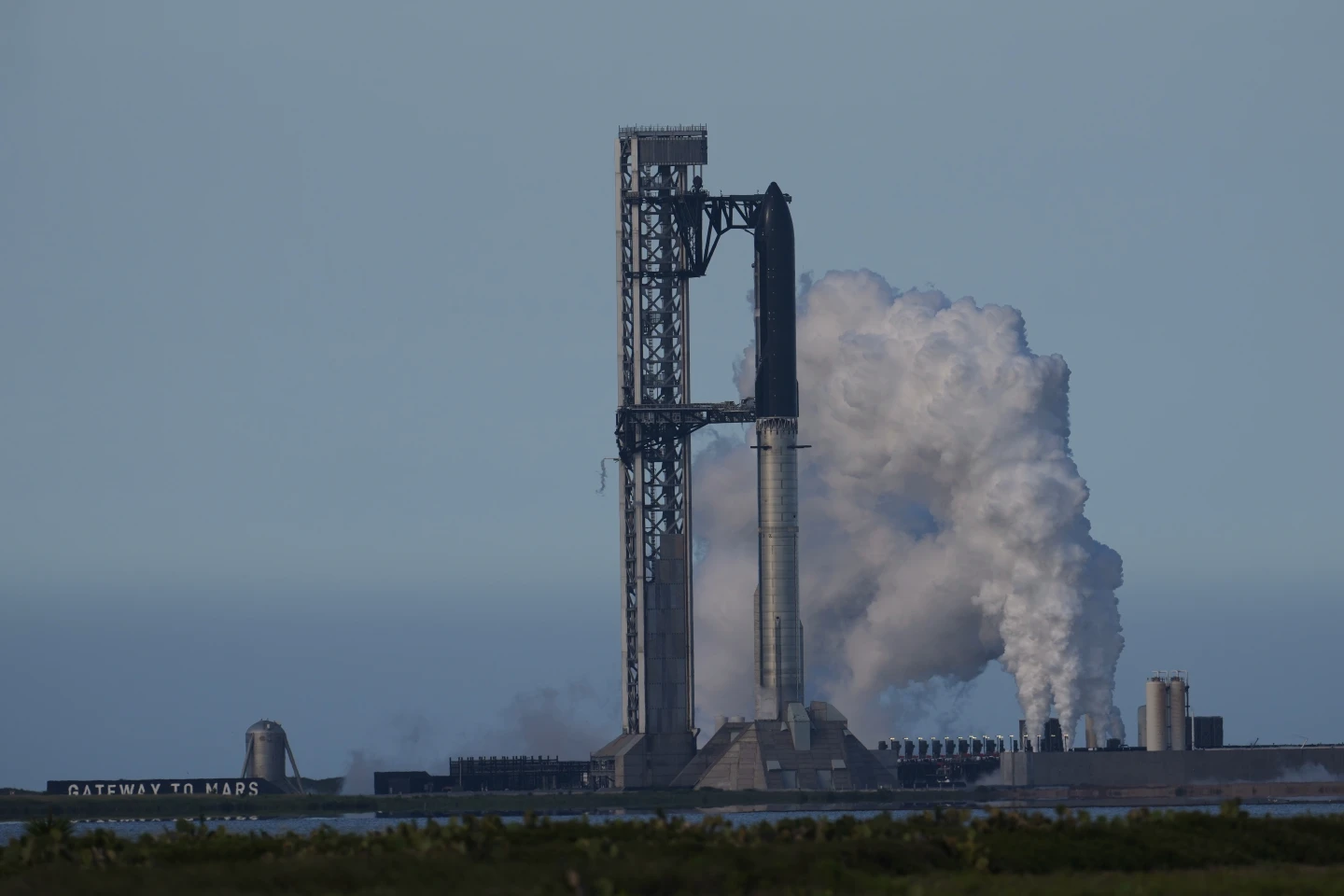
To get boots on the lunar surface, Nasa needs a lander. The US space agency has contracted two private companies to build them: Elon Musk's SpaceX and Jeff Bezos's Blue Origin. Both are significantly behind schedule, casting doubt on the timeline set for lunar exploration.
Nasa's stated ambition is for one crewed lunar landing per year, beginning in 2028, with designs for a lunar base to kick off with the fifth Artemis mission in the same year.
The Artemis programme intends to store propellant in a depot that will orbit Earth. However, the complexity of logistics and technology required to implement this plan raises questions about feasibility and realism.
Moreover, while the interest in Mars remains celestial, many experts believe that humanity’s first steps on Mars may not happen until the 2040s, with technological dilemmas still in the way.
The new space race is accelerating not just with NASA, but also as private companies rapidly begin to reshape our future in collaboration with national programs. Even if timelines slip, this partnership shows potential advancements in space exploration.