In brief
As Artemis II nears the end of its mission, the crew's historic journey culminates in a thrilling splashdown. The astronauts, including Commander Reid Wiseman, have navigated a groundbreaking lunar flyby, setting distance records and invoking the spirit of exploration as they prepare for future lunar missions.
HOUSTON (AP) — The Artemis II astronauts are on a trajectory for a splashdown in the Pacific, concluding humanity's first journey to the lunar vicinity in over half a century.
As the crew members prepared for their return, the nerves were palpable in Mission Control. The astronauts were set to approach Earth at speeds of Mach 32, replicating the excitement of NASA's Apollo era.
Commander Reid Wiseman, pilot Victor Glover, Christina Koch, and Jeremy Hansen of Canada have piloted the self-flying Orion capsule, aptly named Integrity, through unprecedented speeds without manual control, except in emergencies.
Flight director Jeff Radigan expressed the shared tension felt during the six minutes of communication blackout just before parachutes deployed. The recovery ship, USS John P. Murtha, anticipated the crew’s arrival.
The last collaboration between NASA and the Defense Department for a crewed lunar reentry happened with Apollo 17 in 1972. Artemis II, however, broke records, reaching 252,756 miles from Earth, creating a new milestone for human spaceflight.
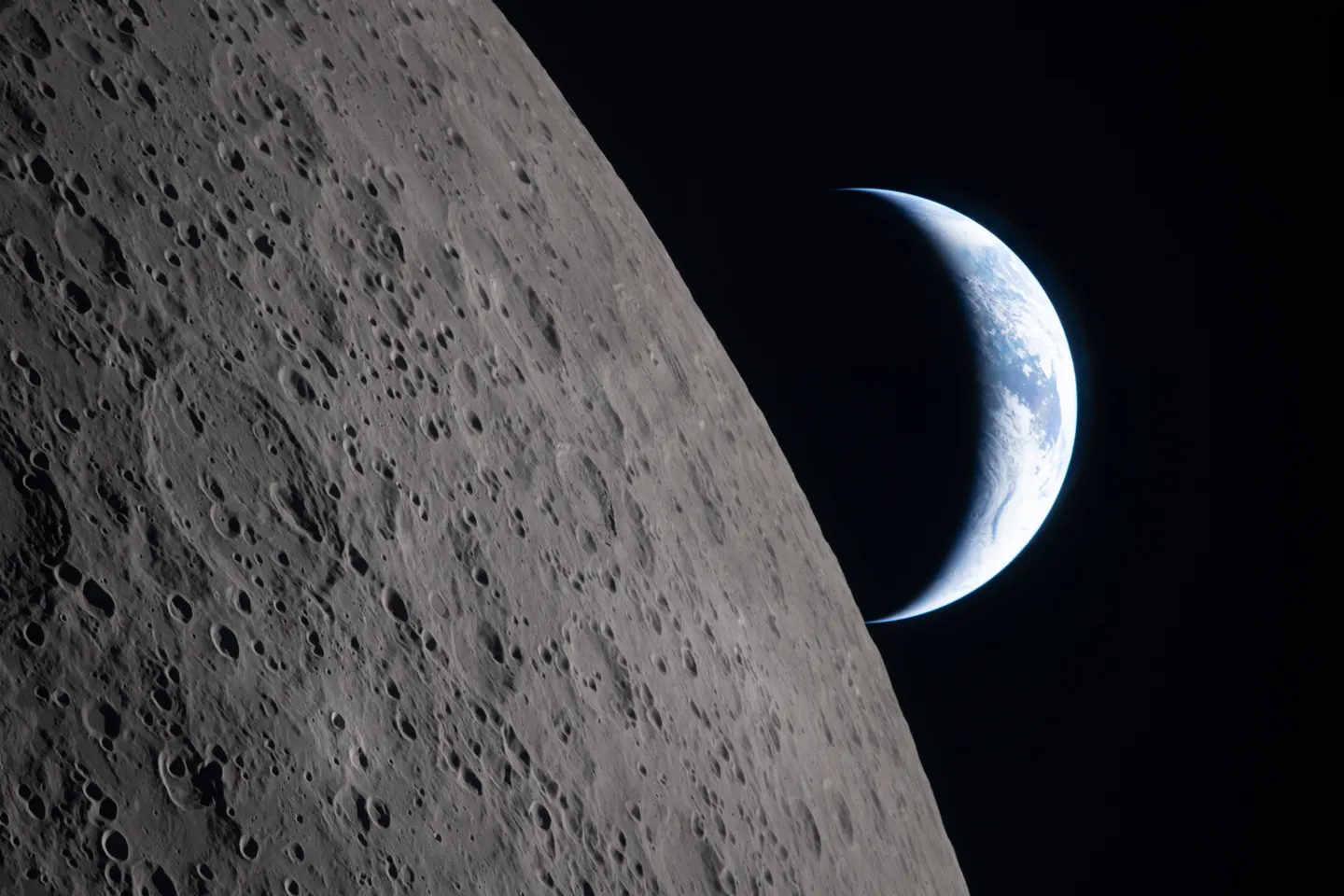
As they documented unprecedented views of the lunar far side and captured amazing images of eclipses, the sense of wonder was evident among the crew. They expressed their yearning for continued exploration of the moon.
Despite challenges faced during the mission, including technical issues and limited facilities, the astronauts maintained an adventurous spirit. Their achievements won't just be a footnote in history but rather a stepping stone for future missions under NASA's revamp of the Artemis program.