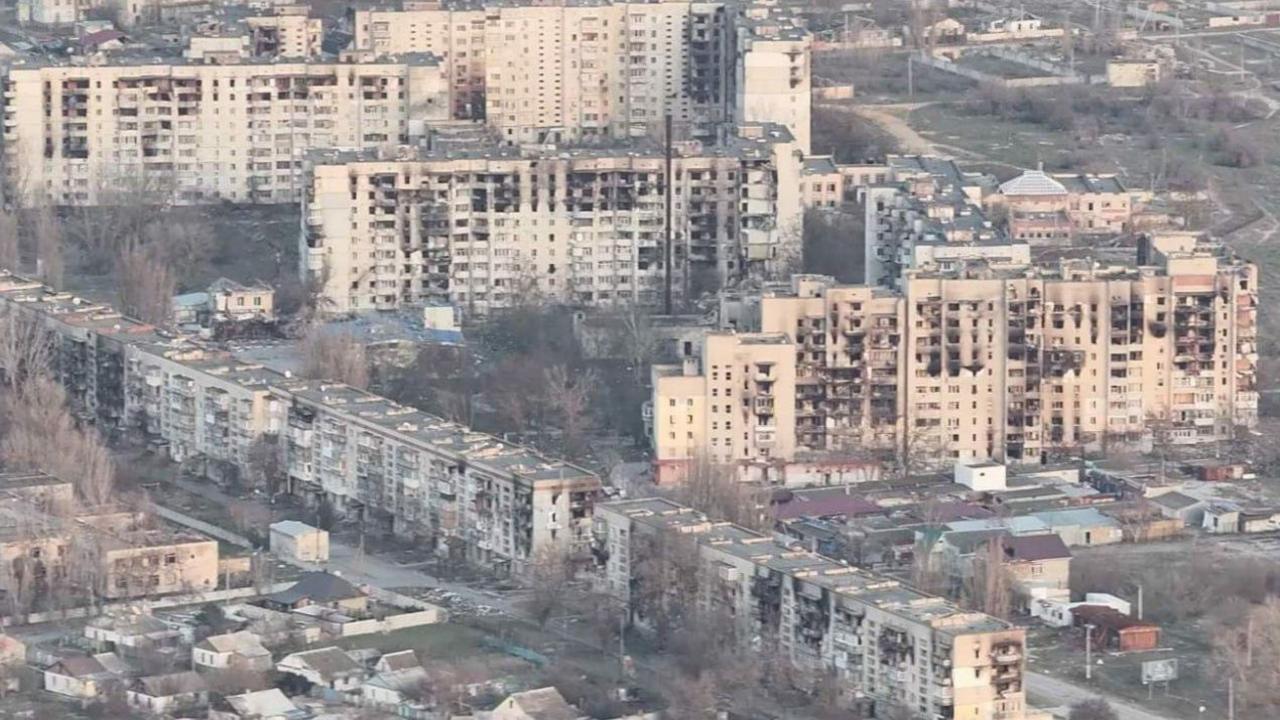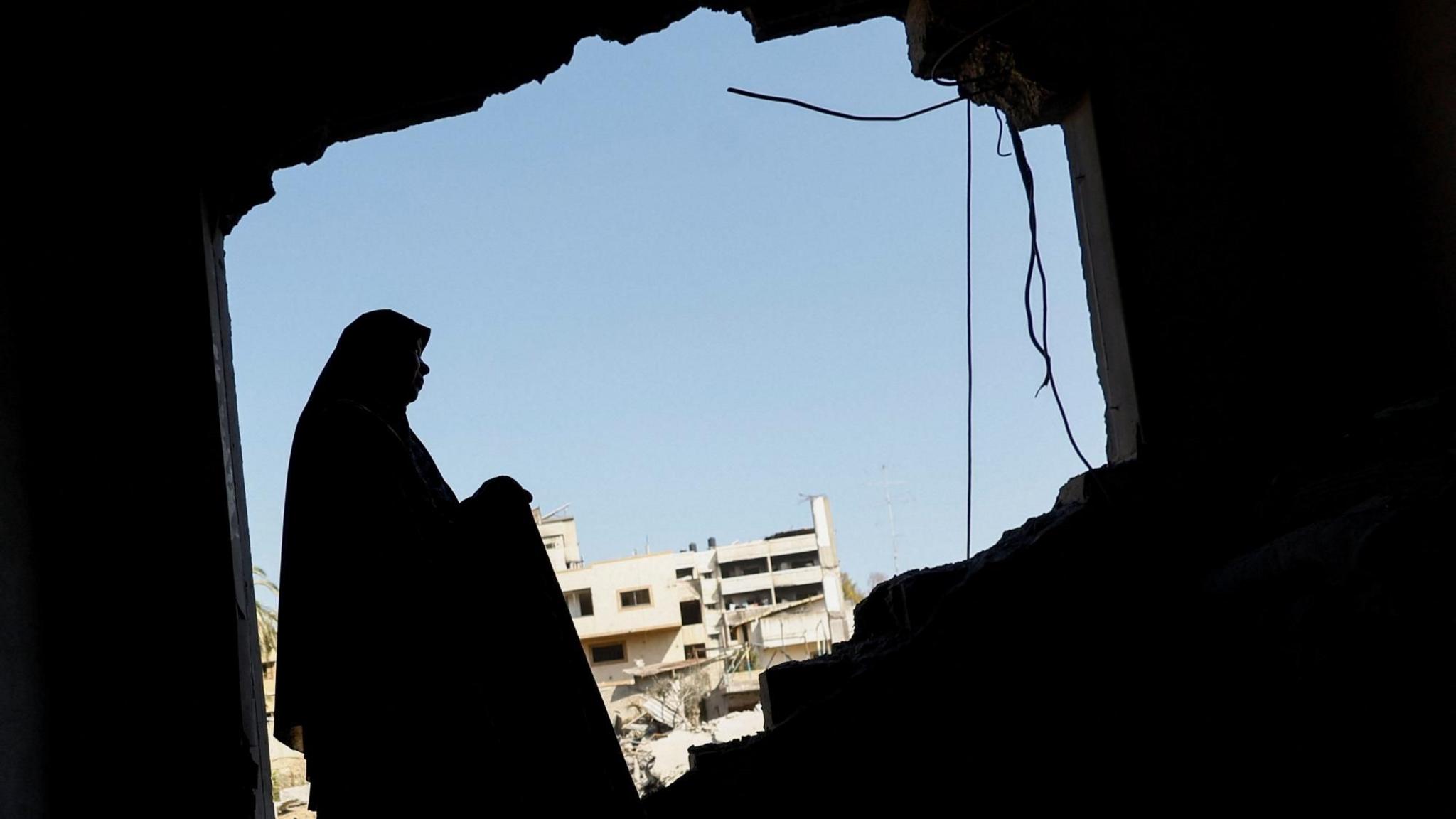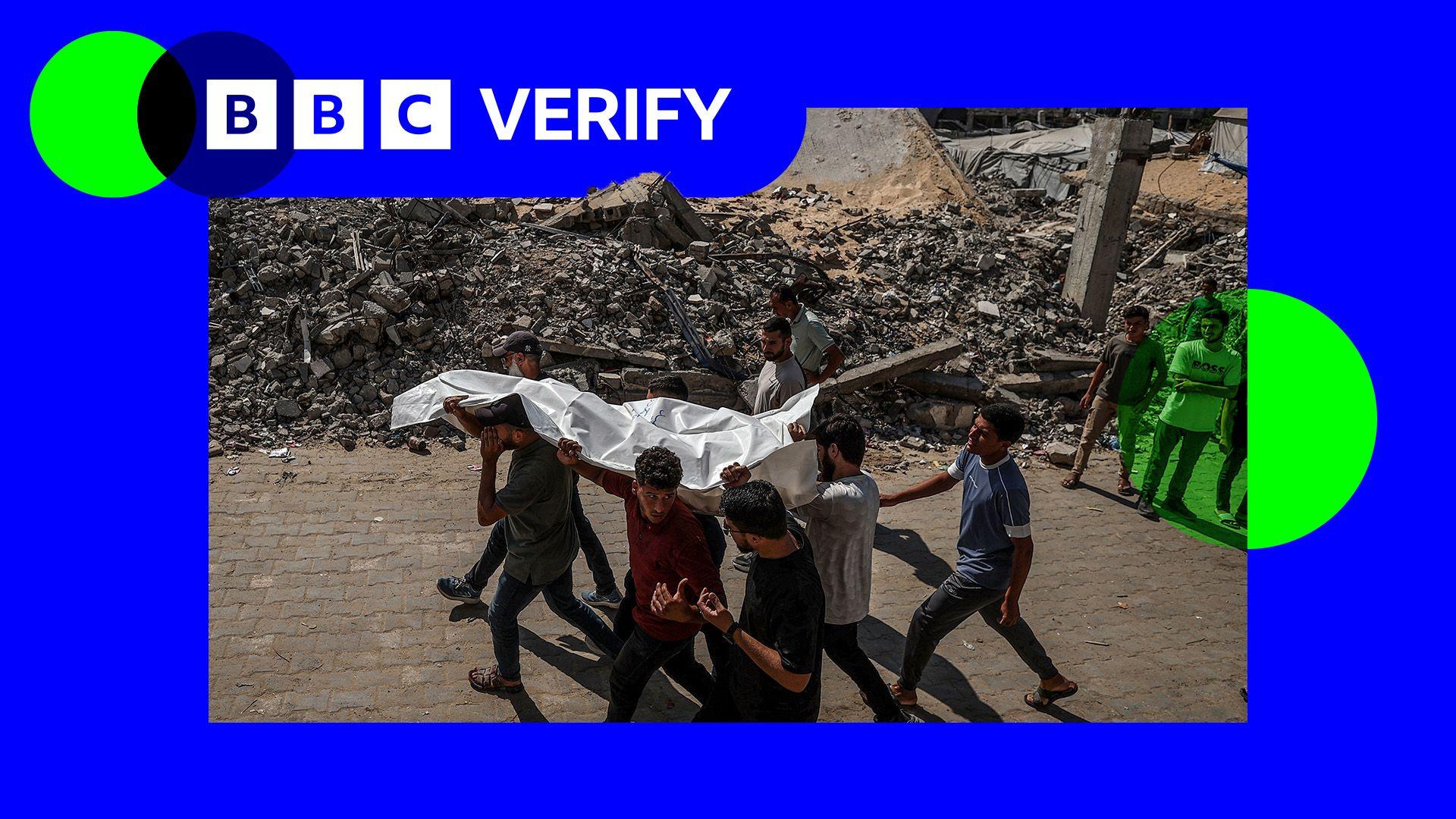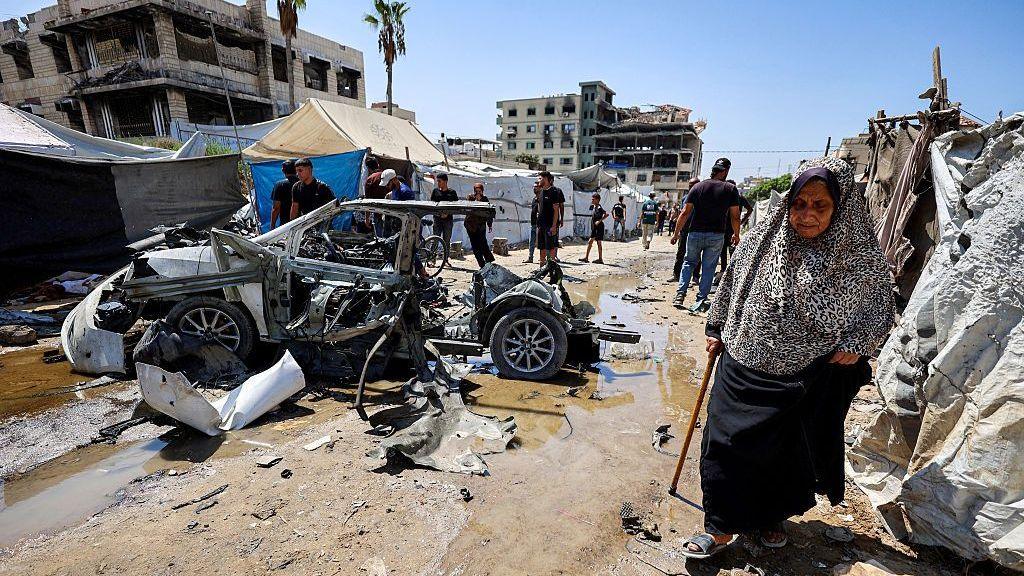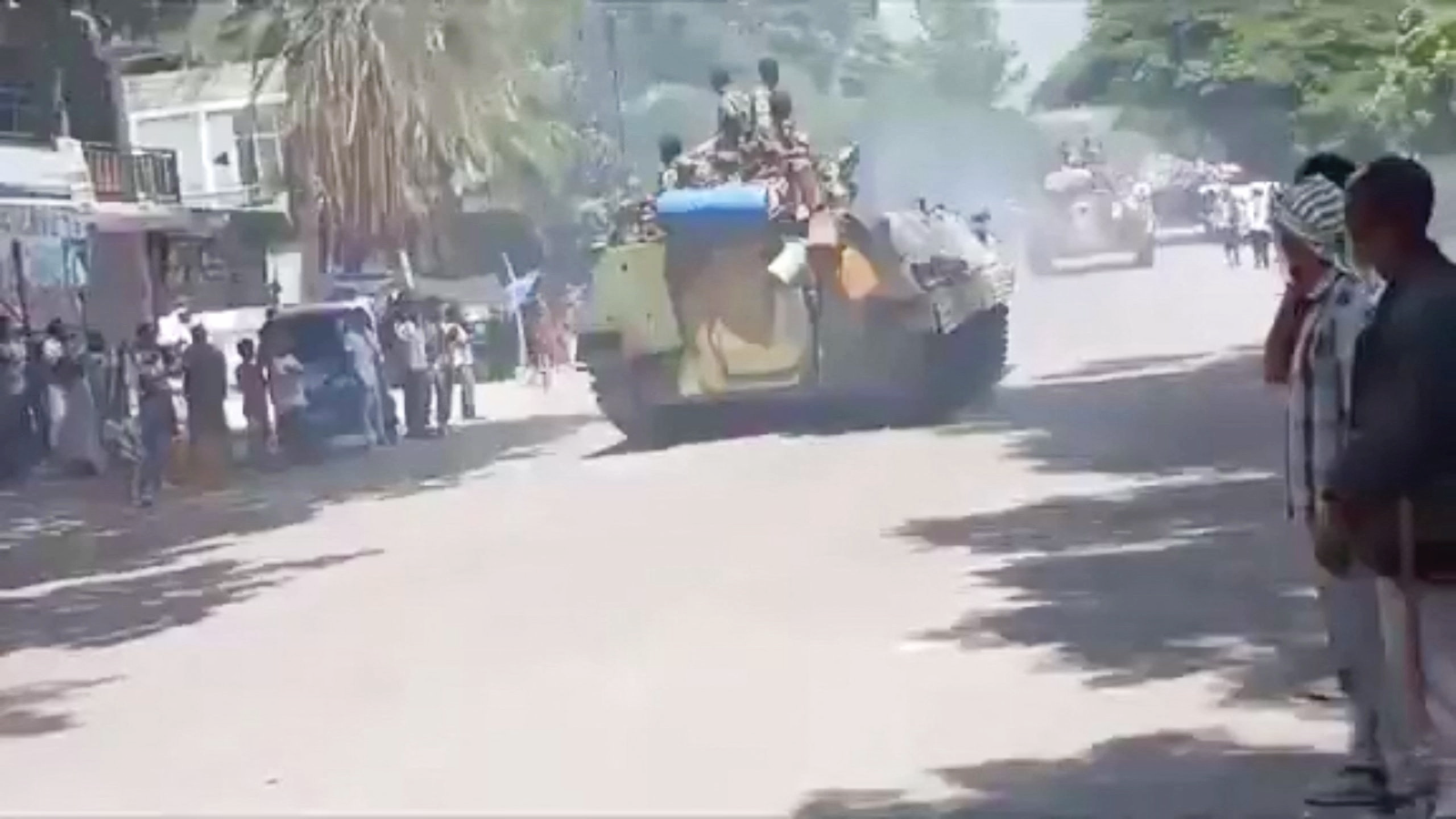
Three days of high‑intensity fighting around the town of Alamata in Ethiopia’s northern Tigray region have killed at least 52 civilians, hospital staff told the BBC. The violence is part of an escalation that followed the federal government’s offensive against the Tigray People’s Liberation Front (TPLF).
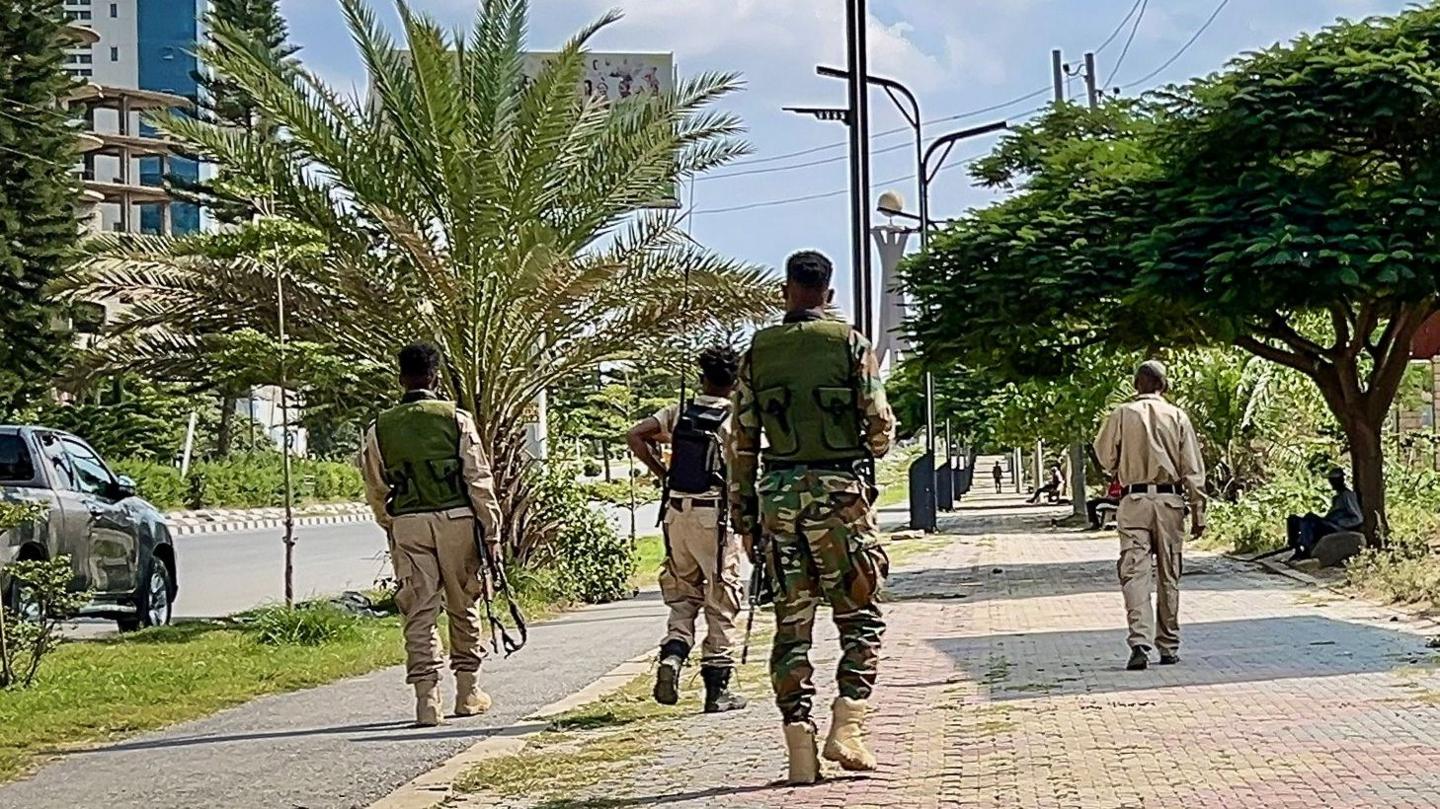
Government troops reportedly seized Alamata from regional fighters and are now pushing north toward Mekelle, the regional capital. Social‑media clips show tanks and armoured vehicles traversing the city’s streets.
The clash follows months of tension after a 2022 cease‑fire ended a two‑year civil war. Each side blames the other for violating the accord, and the current fighting has also drawn in an Amhara militia that has allied with Tigrayan forces.
Over the past week, tourists have been trapped in Lalibela, a UNESCO world‑heritage site, as the airport and commercial flights closed. One British tourist told the BBC that the town had been a quiet holiday spot but was suddenly surrounded by a large military presence.
The Ethiopian government has suspended banking services and cut internet access in Tigray, leaving residents without money, power or a way to communicate. Remote communities rely on a makeshift telecast via the Tigray Broadcasting Service that relays telegram video messages from outside the region.
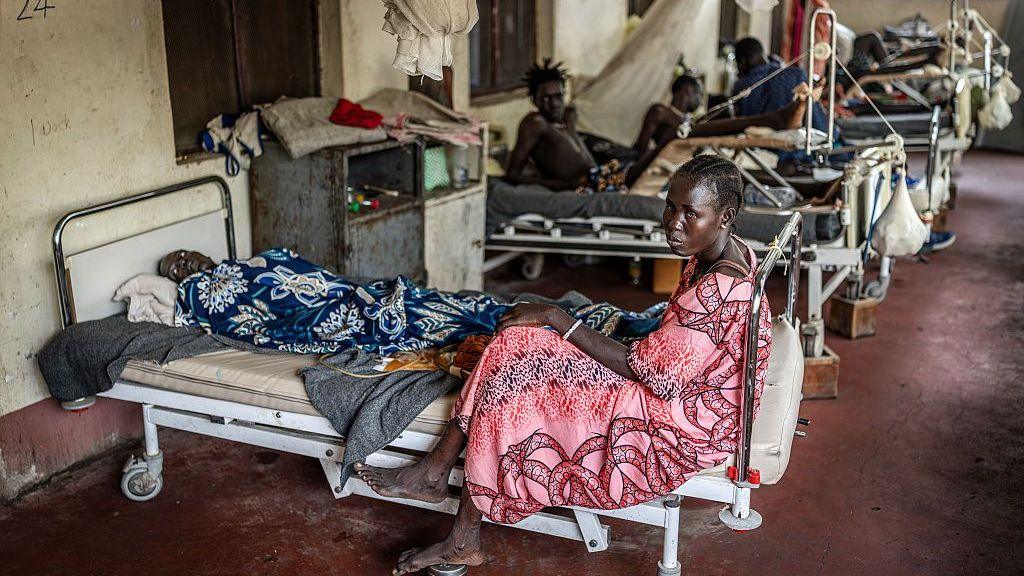
Medical aid group Médecins Sans Frontières reports that more than 700 wounded people have been admitted to hospitals in the area, with casualties ranging from children to older adults. A doctor at Alamata General Hospital said some shells struck the market, killing twelve people in a single strike.
The escalating violence has raised concerns that neighbouring Eritrea might become involved, as the government accuses Asmara of supporting the insurgent groups. A seven‑member alliance of armed movements, composed of Tigrayan and Amhara forces, has previously targeted Addis Ababa in a bid to topple the regime.
Because reporters cannot enter the region, the BBC relies on satellite footage and accounts from local workers, but communications remain heavily restricted.