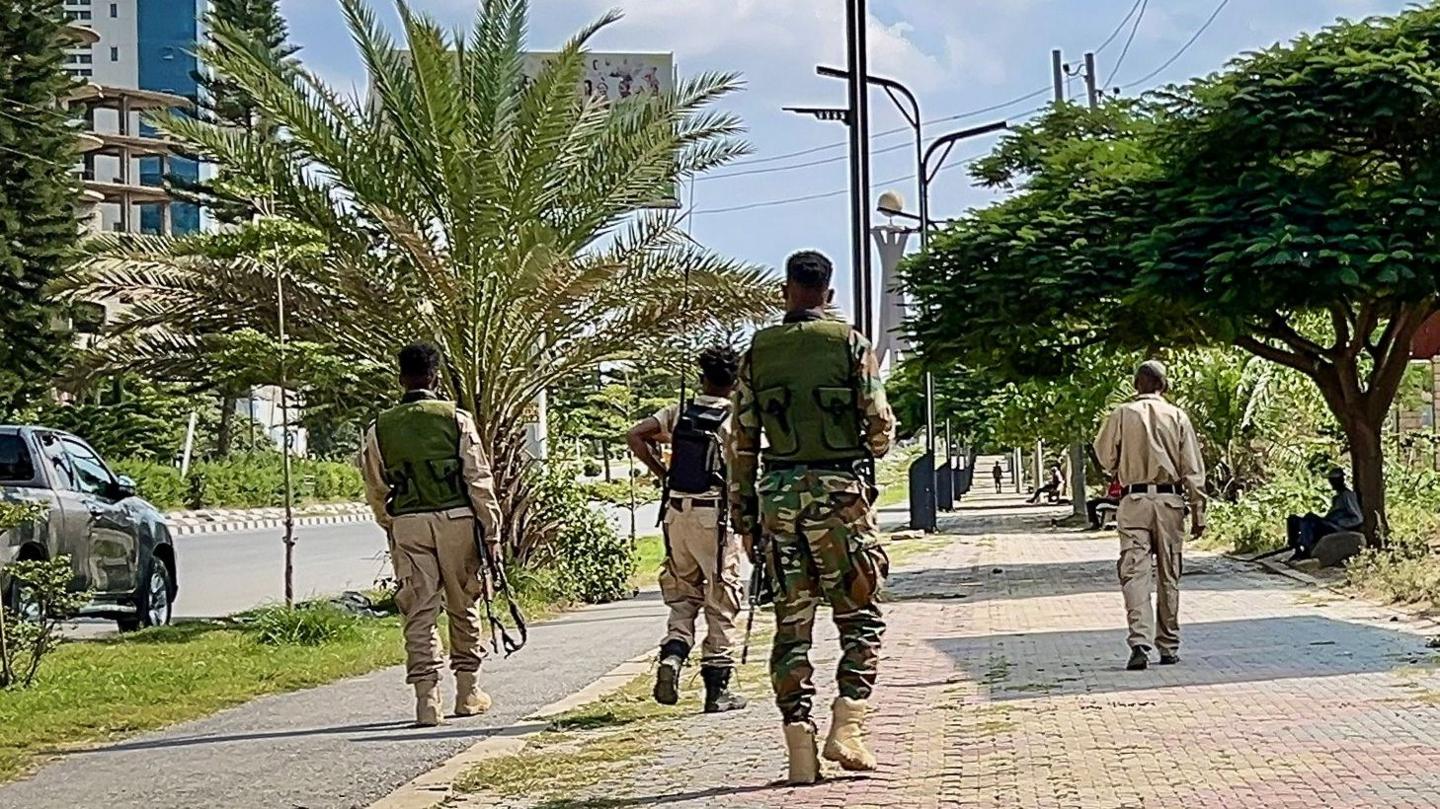
In the weeks after a brutal war that ended in late 2022, the city of Mekelle has been seen again by soldiers on patrol. The clash between Ethiopia’s national army and the Tigray People’s Liberation Front (TPLF) has revived fears of a return to full‑scale conflict.
Both factions claim the other started the latest bout of violence. While the TPLF says it responds to federal incursions, the government insists it reacted to an aircraft seizure after the army seized airports in Tigray.
The roots of this impasse lie in a fragile peace agreement signed in Pretoria. The accord, brokered by the African Union, ended the violence of 2020 but left four core issues unresolved – the status of western Tigray, the handling of weapons, the reprieve of displaced peoples, and the future governance of the region.
Western Tigray was a key breadbasket that the TPLF lost to Amhara forces during the war. Amhara’s claim that the land never belonged to Tigray fuels the ongoing battle for its return. The TPLF wants it halfway back and a return for its displaced inhabitants; the government proposes a referendum.
Emerging in September, the Alliance for Survival brings the TPLF together with Amhara’s Fano militia and the Oromo Liberation Army. All members share a single objective – to unseat Prime Minister Abiy Ahmed’s administration. Yet their long‑term aims differ, raising the risk that the alliance may fracture under pressure.
The federal government accuses Eritrea of supporting rebels, a claim that Eritrea denies. In recent years Eritrea has fought alongside Ethiopian forces; now tensions over the strategic Assab port keep the two neighbours on a knife’s edge.
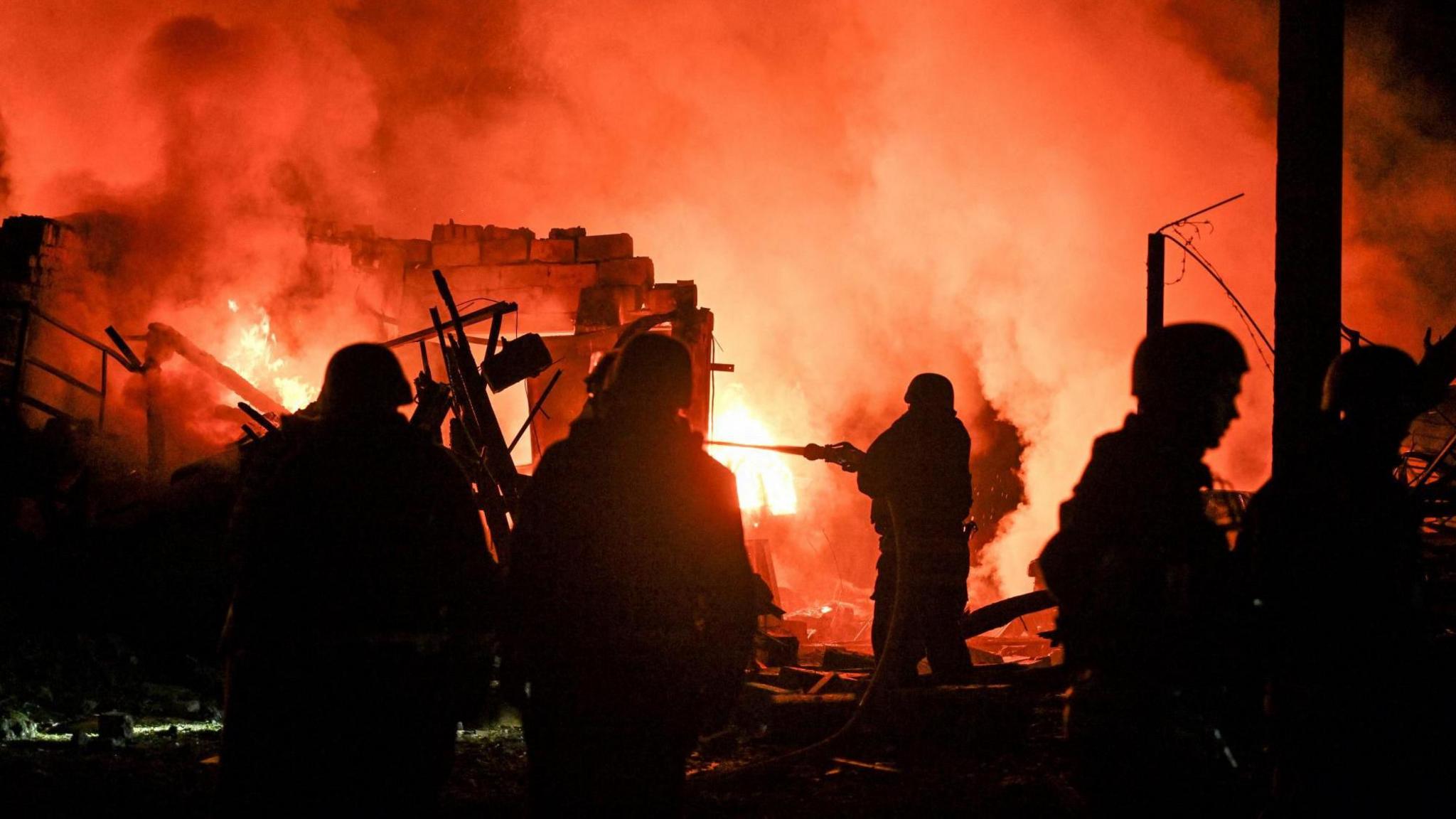
At a time when pan‑Africa and global organisations call for a stop to hostilities, trust between Addis Ababa and Tigray remains minuscule. Drone strikes on schools that the government claims house troops have escalated, while reports of forced conscription by the TPLF raise further alarm.
The African Union is urging immediate ceasefire and direct talks. Former President Olusegun Obasanjo is leading the mediation effort, while the United Nations and the Intergovernmental Authority on Development echo the plea for restraint.
The conflict has already spilled over into neighbouring Afar and Amhara, adding pressure on Ethiopia’s already stretched security apparatus. A flare‑up that touches Sudan’s current civil war could drive these two countries onto opposing sides, widening the sphere of conflict.
As the fighting drags into a region that once reaped some of the country’s richest harvests, the spectre of a larger war looms. Analysts warn that failures in mediation and the fragile alliances could ignite a new wave of fighting that threatens the stability of the entire Horn of Africa.