In brief
In a quiet north‑western Nigerian village, the bandits arrived at two in the morning, surrounding residents from every angle and firing indiscriminately. Fatima, a mother whose husband and siblings were slain, explains how the militants even burned rooms when villagers tried to hide. Many villagers fled to forests and then to the state capital, Gusau, where they now live in makeshift camps with little food. The violence now spreads south‑wards, forcing thousands to join vigilante groups and question whether ordinary citizens can keep themselves safe. Despite government‑backed security measures, the crisis remains widespread, with more than 800,000 people displaced across the country.
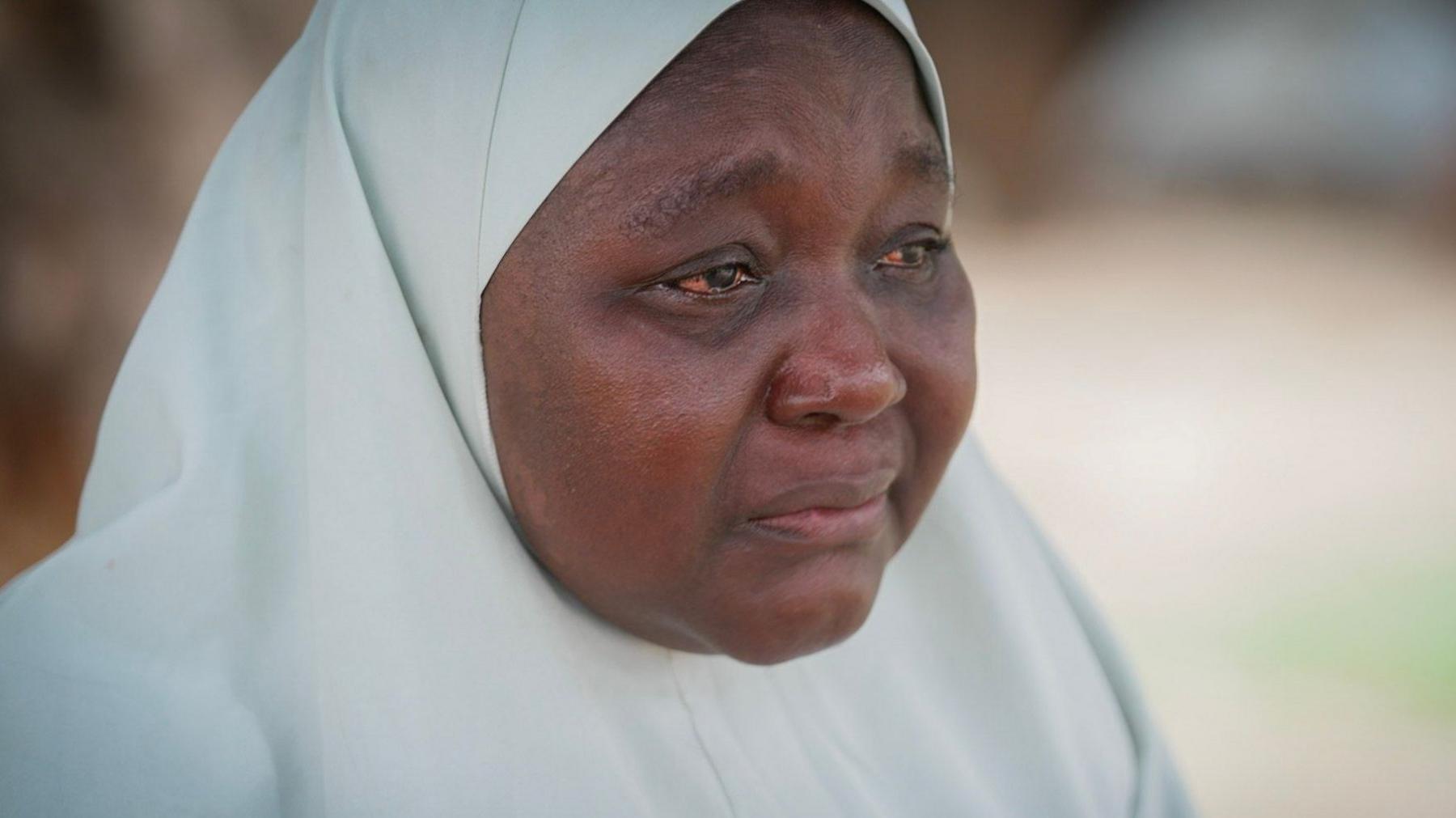
“If you ran into a room, they set the room on fire. If you came out and started running, they shot you.”
Three hundred and sixty minutes after midnight the bandits split into three columns to surround residents, one blocking the entrance, one in the centre and the last at the rear of the village of Bia Buki in Zamfara. They opened fire without pause, killing about seventy people, including children.
Fatima explains to the BBC that the attackers often ride in motorcyles—up to a hundred per convoy—and can transport several targets at a time. She describes how communities fled into the forest, treating it as a sanctuary, and later relocated to Gusau where they hope for security.
In the makeshift camp in Gusau, Fatima’s seven children, aged nine to 30, and many other women sit ashore the dusty ground, wearing brightly coloured hijabs. Food is scarce, and although assistance arrives sporadically, the camp remains a place of uncertainty. More than two dozen people have been kidnapped by the same group.
Government‑backed vigilante groups have taken up arms to protect communities, but they become a “time bomb waiting to happen” according to advocacy figure Malik Samuel, who worries about how to disarm them after the crisis easing.
Bandit crime is now a nationwide problem, with 78% more incidents in the first half of the year compared to the previous year. Attacks have spread to the south‑west, hitting schools in Oyo state, influencing parents to pull children home and leaving a broad range of insecurity across the country.
Despite the Nigerian government’s largest ever security budget and the recruitment of 28,000 new soldiers, the violence persists. Fatima calls for more security forces, hoping that their presence could give families the rhythm of peaceful village life once again. The bandit lord has become an imposter authority in the village, and many families are uncertain whether to return, as villages have become empty and villages are being turned into the gunmen’s own camps.