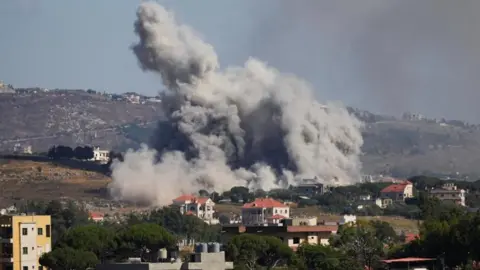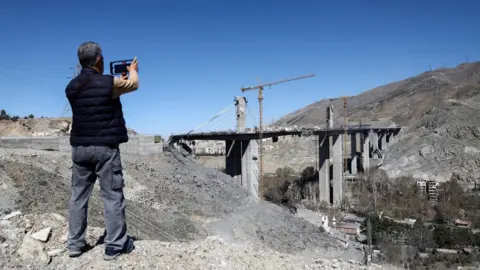
Following a recent airstrike by US forces on the B1 bridge in Karaj, Iran, fears are mounting among residents about what comes next in the ongoing conflict. The attack resulted in the deaths of at least eight people and injured nearly 100, during a time when many were picnicking nearby for the Nowruz holidays.
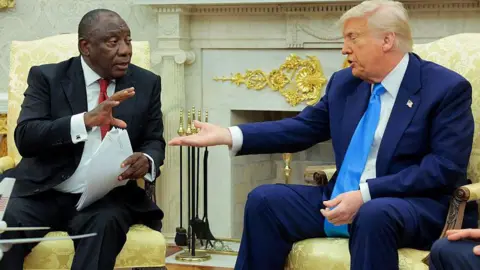
US President Donald Trump warned of further strikes if Iranian leaders do not agree to his conditions to end the war, stating, Our Military, the greatest and most powerful (by far!) anywhere in the World, hasn't even started destroying what's left in Iran. His statements, made on Truth Social, hinted at a potential escalation in violence as he urged for swift action from the Iranian regime.
Iranian Foreign Minister Abbas Araghchi responded strongly, emphasizing that attacking civilian structures will not lead to Iranian capitulation, calling the airstrike an indication of the US's moral collapse. He raised a rhetorical question about whether Trump truly intends to revert the Middle East to a time before its vast oil and gas resources were exploited.
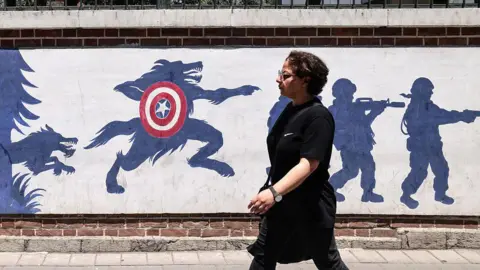
Reports indicate that direct communication with Iranians remains challenging due to a prolonged internet blackout, although some individuals have managed to bypass these restrictions using satellite internet systems at significant costs. Voices from within Iran express deep concern about the potential for more destruction, with citizens fearing that their country is being systematically targeted.
The impact of the strike on the Karaj bridge underscores the humanitarian crisis engendered by the ongoing conflict, igniting worries among locals regarding the loss of critical infrastructure as well as the threat of further military actions.