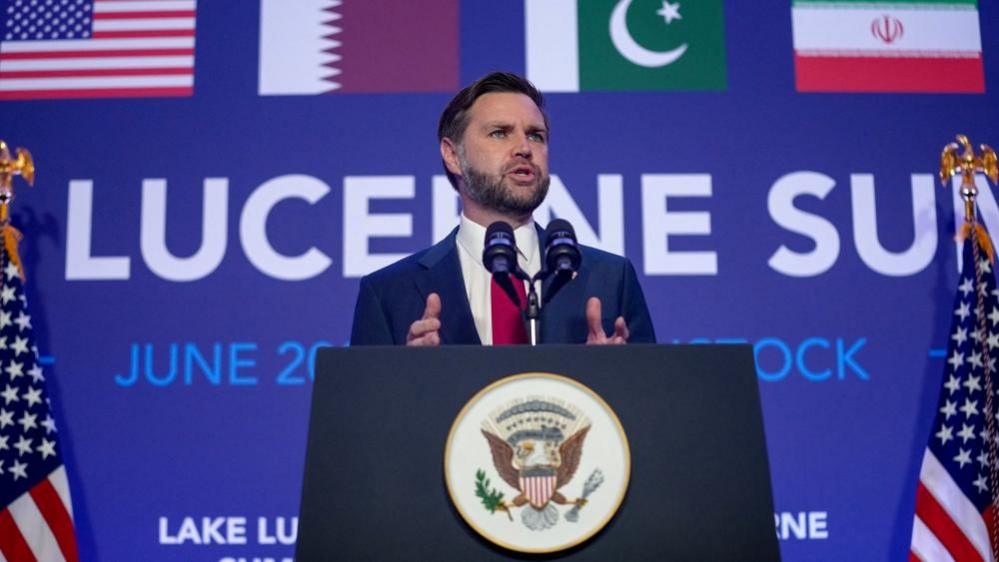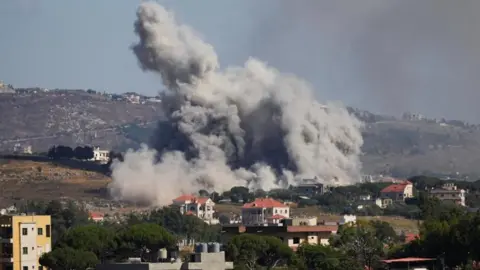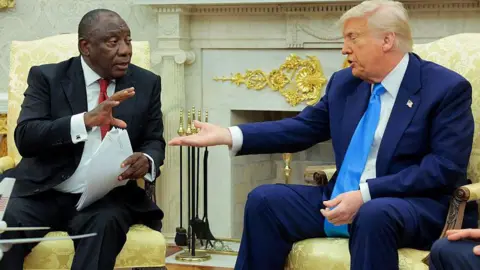
Donald Trump's recent address regarding the war with Iran indicates a fragile paradox: while he asserts Iran's military capabilities have been devastated, he also threatens further escalation. This juxtaposition has conveyed an uncertain message of victory that remains unfulfilled.
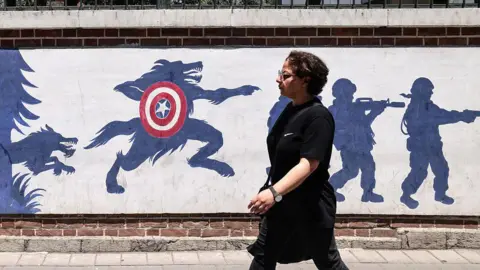
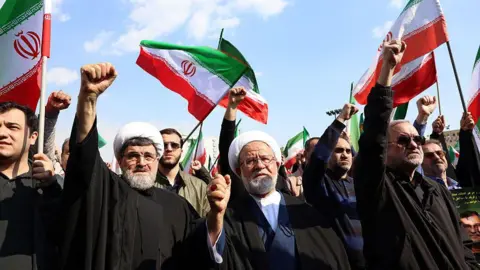
His remarks have ignited widespread backlash within Iran, altering perceptions among opposition supporters who once viewed Trump as a potential ally for change. Iran's populace, feeling besieged, finds motivation to unify against perceived external threats rather than exert internal pressures for reform.
Trump's continued assertions that regime change has occurred in Iran, particularly after the assassination of key leadership figures, are met with skepticism. The power dynamics in Tehran remain largely unchanged; current leaders continue to hold sway without significant ideological reform.
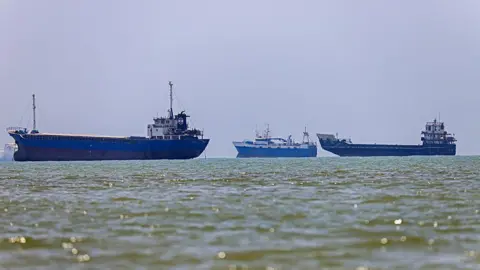
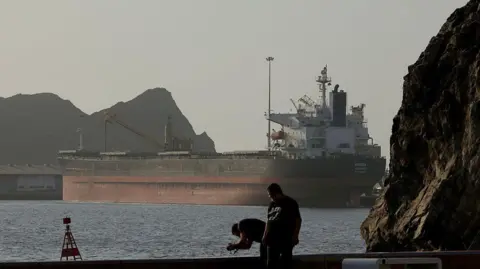
The Iranian regime's core strategy has pivoted from a need for conventional victory to an aim of survival against established military dominance. Tehran's functional command structures and the hold of state power reflect a commitment to endure through conflict and retain its influence over critical energy routes, especially in the Strait of Hormuz.
This resilience is not merely coincidental; it is deeply rooted in Iran's historical confrontations with regional adversaries. With the US faced with a dilemma of either validating Iran's endurance strategy by disengagement, or entrenching further in an increasingly complex conflict, the stakes of this war extend far beyond immediate military objectives.
As the war progresses, Iran's demands for survival and sovereignty remain clear. Washington's struggle to claim victory while addressing the realities of a steadfast adversary highlights the deeper consequences of this ongoing conflict.