General Min Aung Hlaing Ascends to Presidency Amidst Myanmar's Ongoing Crisis
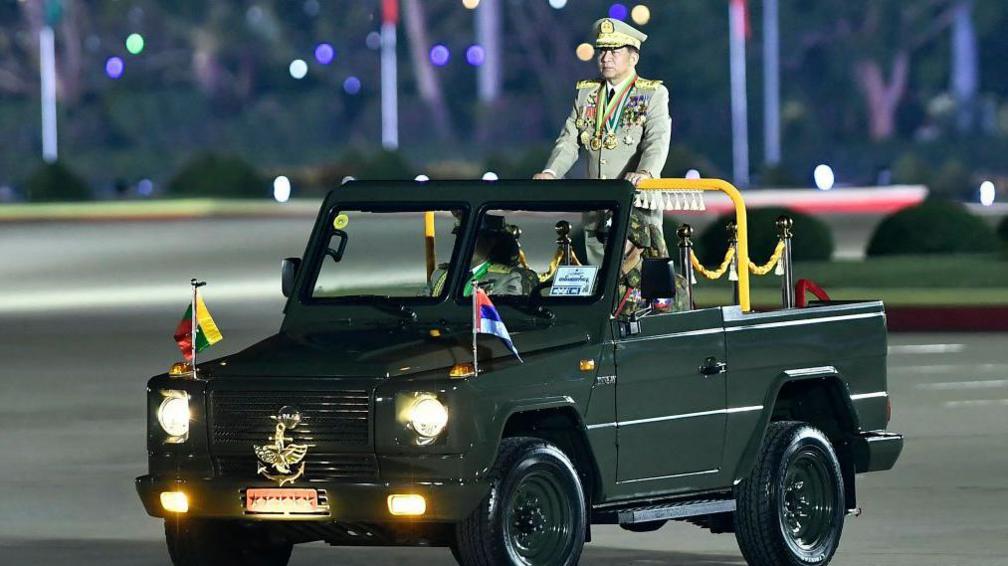
After five years of conflict following his decision to launch a coup against the elected government, General Min Aung Hlaing is poised to become the president of Myanmar, with concerns mounting about the implications of his leadership for a country traumatized by civil war.
Just days after initiating the coup on February 1, 2021, he pledged to return to civilian rule within a year—a promise that took five years to materialize, culminating in today’s elections where loyalist parliament members are set to install him as president.
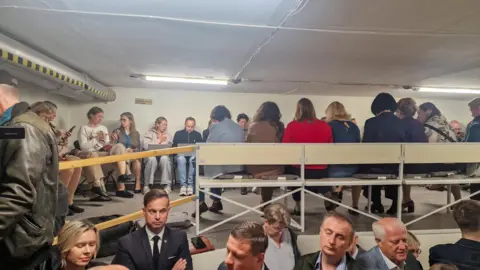
Critics argue that this transition is a mere facade of democracy, as the parliament filling seats with military affiliates and his party won nearly 80% of the votes in heavily biased elections.
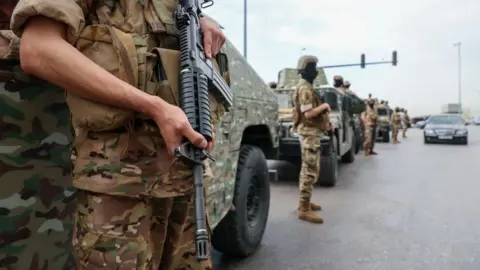
The complexities of military politics loom over the new government, with Min Aung Hlaing's ally, General Ye Win Oo, taking the command of the armed forces, indicating continuity of the hardline tactics that sparked national resistance.
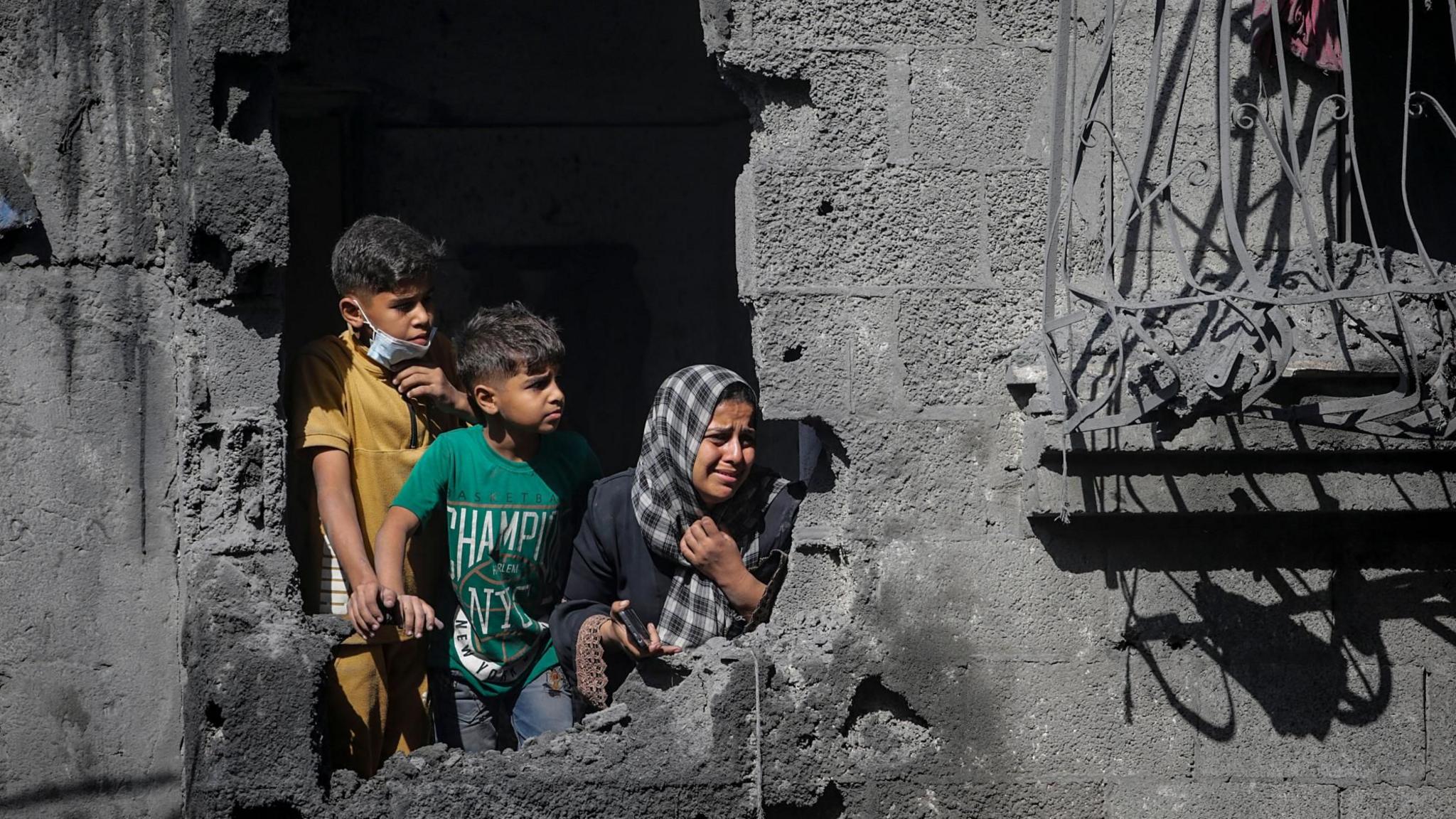
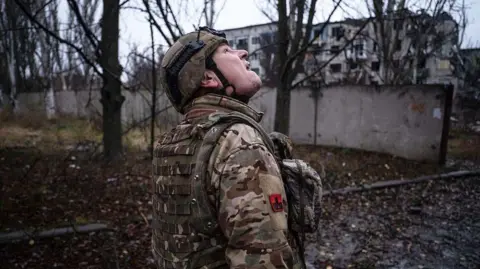
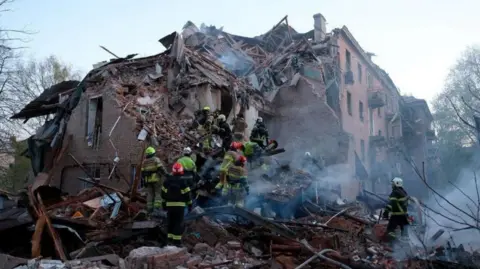
As the military continues to deploy brutal conflict strategies against insurgent strongholds, including airstrikes and scorched earth campaigns, civil society leaders and young activists express growing disillusionment and a yearning for democratic change while contending with an atmosphere of oppression.
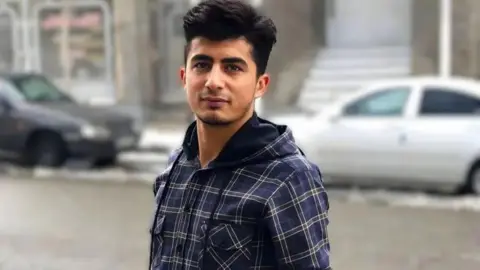
Activists like Kyaw Win recount harrowing experiences of torture and imprisonment for their resistance efforts, voicing fears that their revolution is being suppressed under the weight of military power.
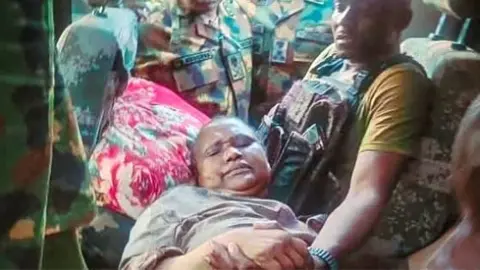
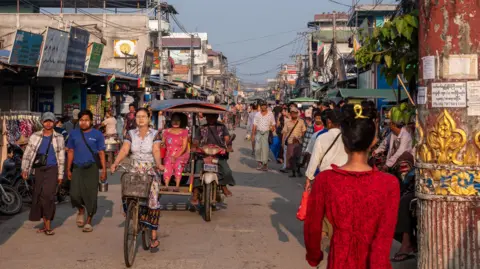
The economic fallout of the coup is dire; an estimated 16 million people require lifesaving assistance, and fuel shortages fuel frustration as the situation intensifies amid rising costs and declining living standards.
As the world watches Myanmar, voices advocating for compromise attempt to emerge, pushing for dialogue with the military establishment to forge a path forward. Yet, as Min Aung Hlaing steps into power, skepticism remains about any genuine attempt to restore democracy and improve conditions for the beleaguered populace.
For many, the future remains bleak under military rule, with hope dwindling in the face of unyielding oppression and violence.