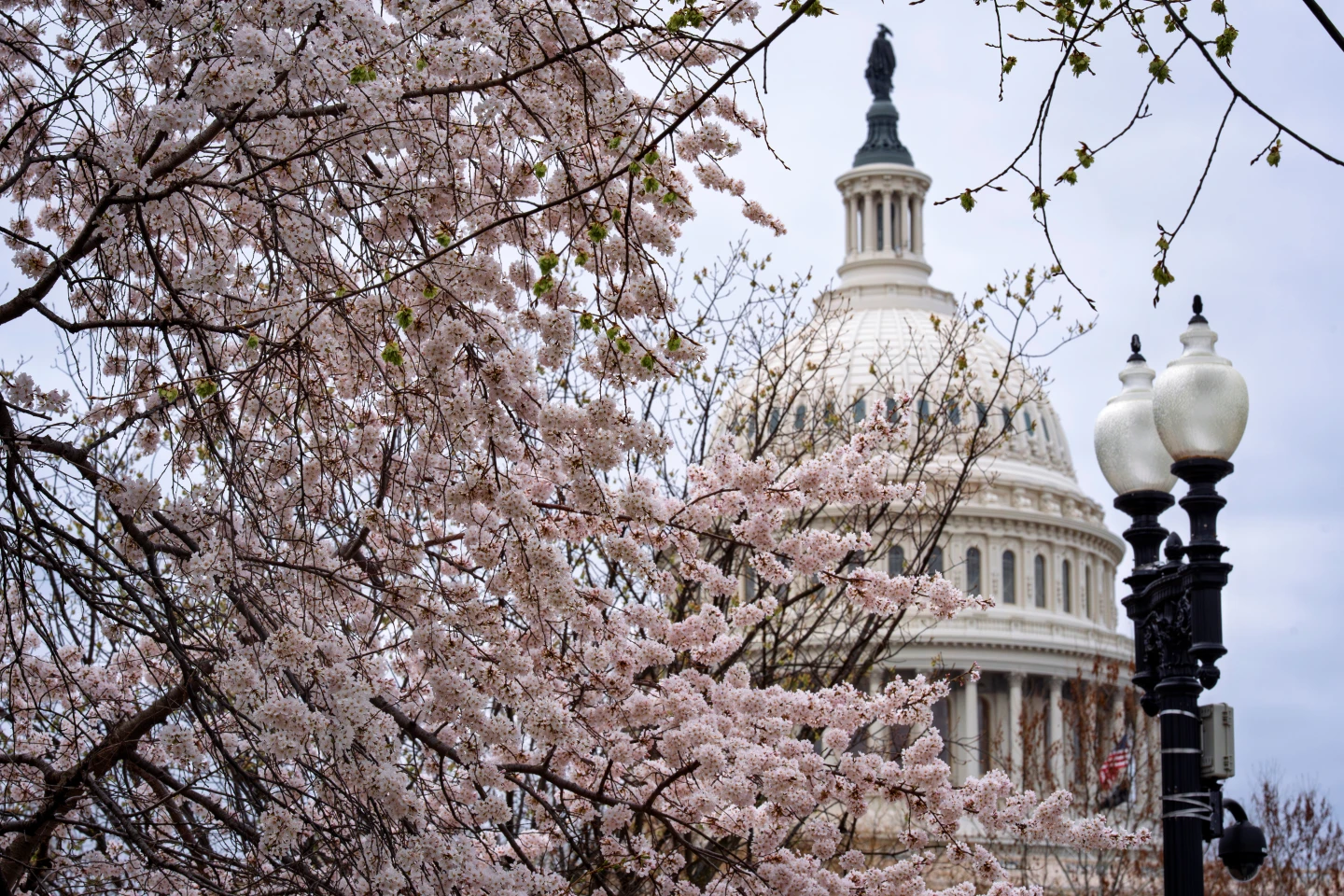
WASHINGTON (AP) — The Department of Homeland Security's funding lapse continues into next week, marking the 48th day of the impasse as House Republicans deliberate whether to adopt a previously rejected Senate plan. This plan aims to fund DHS largely but excludes financial support for immigration enforcement operations.
Both chambers of Congress met briefly on Thursday, but no resolution was reached. Republican leaders and President Trump have united behind the Senate's plan as a potential avenue to end the deadlock, contrasting previous divergent paths that contributed to Congress's recess without a solution last week.
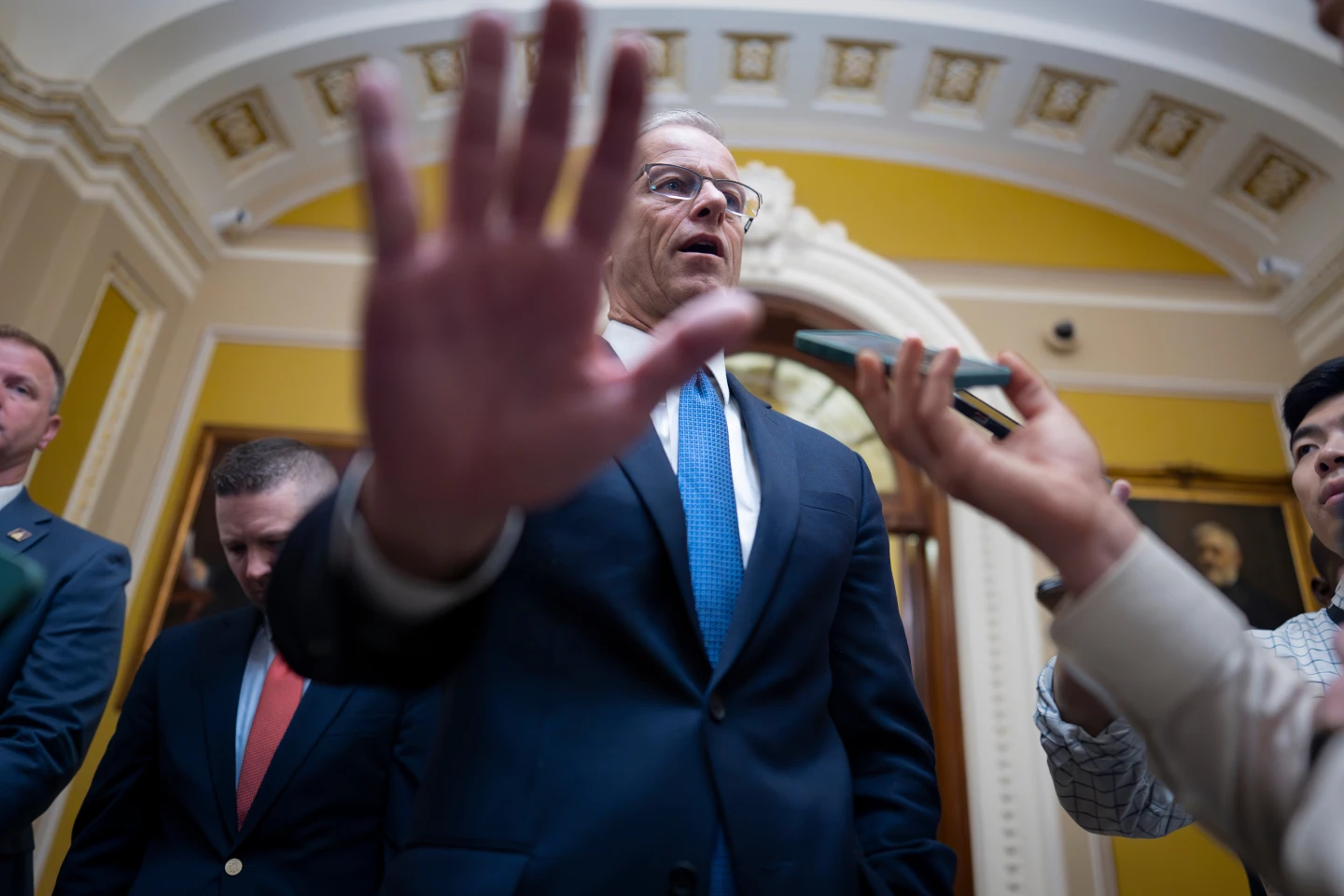
Senate Majority Leader John Thune, R-S.D., indicated that the House's alternative funding proposal for 60 days was set aside, yet hopes remain for passing the bipartisan Senate initiative. I don’t know the particulars around what the House will do with it,” Thune stated, expressing optimism that the House would eventually advance it.
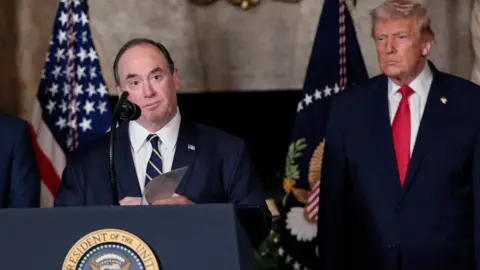
The House Republicans were scheduled for a conference call on Friday to frame their approach moving forward. House Speaker Mike Johnson, R-La., along with Thune, has signaled intent to renew focus on the Senate proposal.
The agreement only partially funds DHS, leaving U.S. Immigration and Customs Enforcement (ICE) and U.S. Border Patrol's budgeting to be addressed separately through future legislation, which may stall until the end of Trump's term.
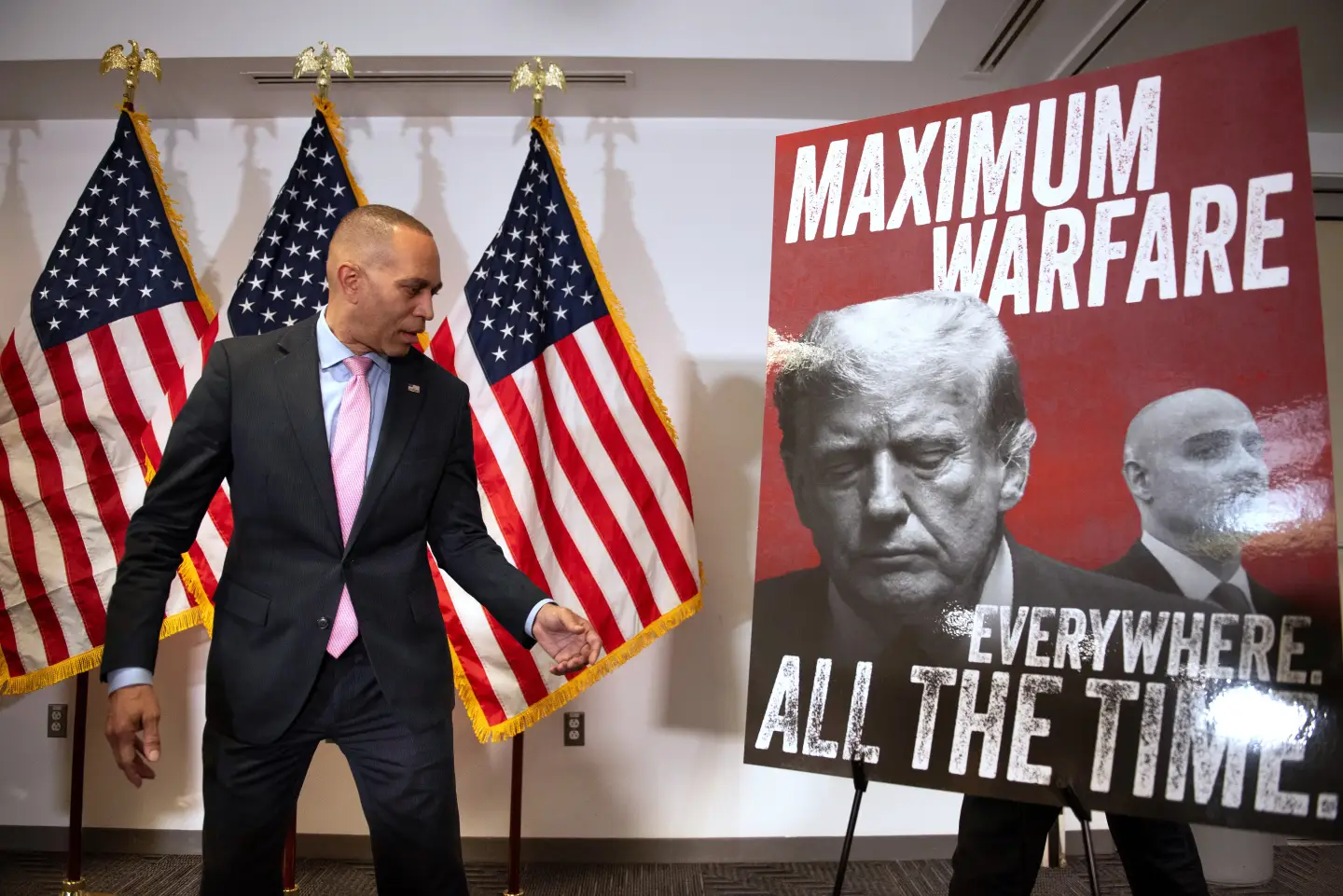
Senate Democratic leader Chuck Schumer criticized Republicans for their delayed action, alleging that their internal divisions prevented a quick bipartisan resolution and imposed further stress on American households.
With mounting pressures, the GOP faces pushback from its most conservative members who advocate for a comprehensive funding approach that includes Trump's immigration agenda. Caving to Democrats and not paying law enforcement leaves our borders open, remarked Rep. Scott Perry, R-Pa.
The ongoing stalemate has significantly impacted DHS employees, with many thousands working without pay. Recent delays at airports due to increased TSA agent absences highlight the urgent need for a speedy resolution as agents have begun receiving backpay following Trump's executive order.