
The Vote and Its Context
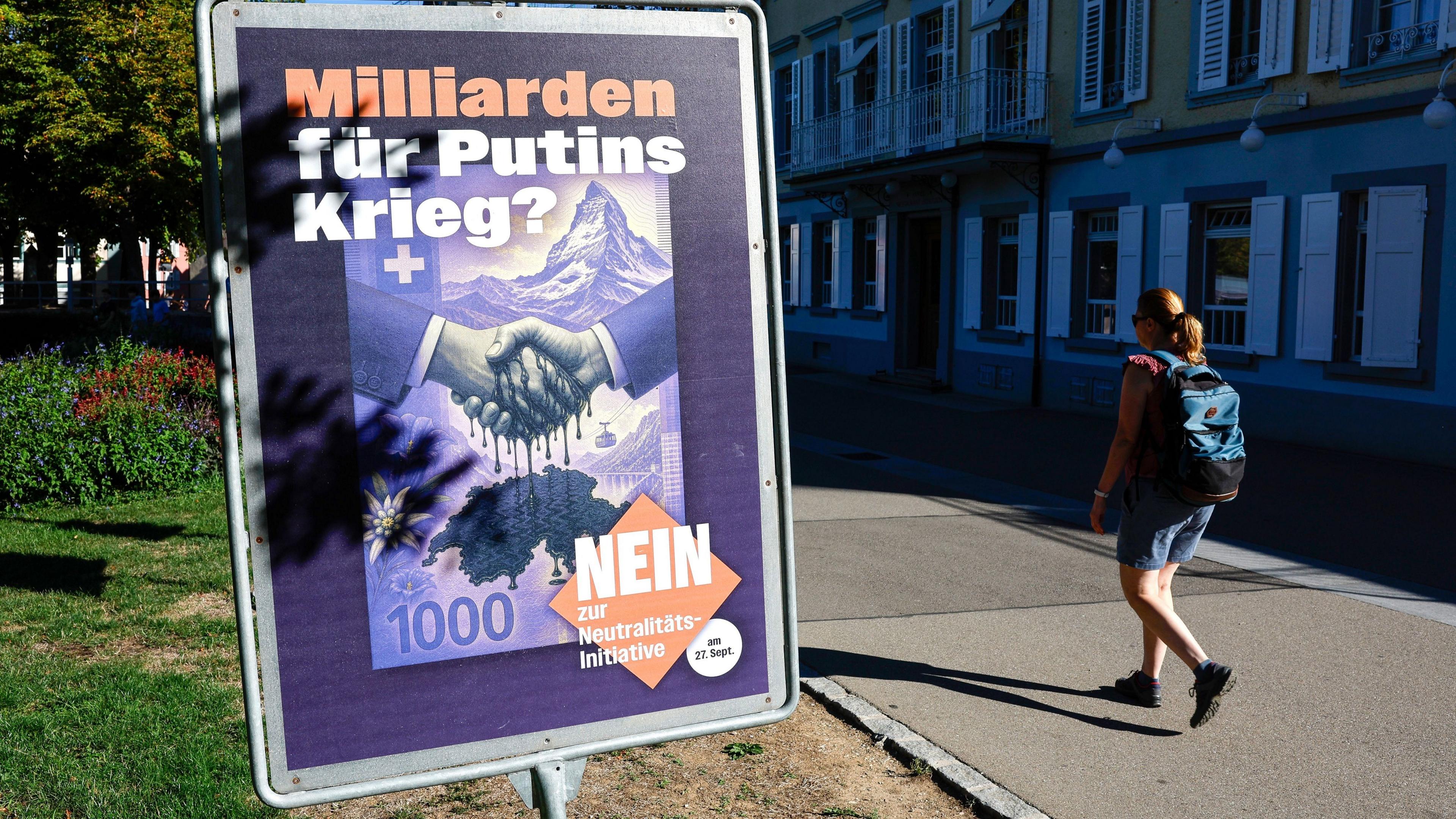
In a swift 20‑minute referendum, Swiss citizens cast a clear verdict on their longstanding tradition of diplomatic neutrality. The proposal, which would have tied Switzerland’s ability to impose sanctions to United Nations approval, was rejected by more than 70% of voters, preventing a stronger link to NATO and the ability to sanction against Russia without UN endorsement.
The initiative, supported by Russia and the right‑wing Swiss People’s Party, was opposed by the federal government and all other major political parties. Analysts note that the result signals a desire for the nation to engage in sanctions against Russia while maintaining flexible foreign policy tools. Swiss experts highlighted that neutrality does not equate to indifference and that the country will continue to observe the international rules that uphold peace.
Historical Background
Switzerland’s neutrality was formalized in 1815 at the Congress of Vienna and reaffirmed legally by the Hague Convention of 1907, which barred the country from supplying arms to warring states. The nation has remained neutral through both World Wars, and its policies during the second war, including banking hidden Nazi gold and limiting Jewish refugee entry, were later apologized for in the 1990s.
The country’s direct‑democracy system means that citizens regularly decide on major policy changes through referenda—today’s vote reinforcing the power and influence of the Swiss electorate in shaping national and international positions.