President Volodymyr Zelenskiy announced that Russia has expanded its campaign to target Ukraine’s data centres and internet providers, aiming to disrupt the lives of ordinary citizens.
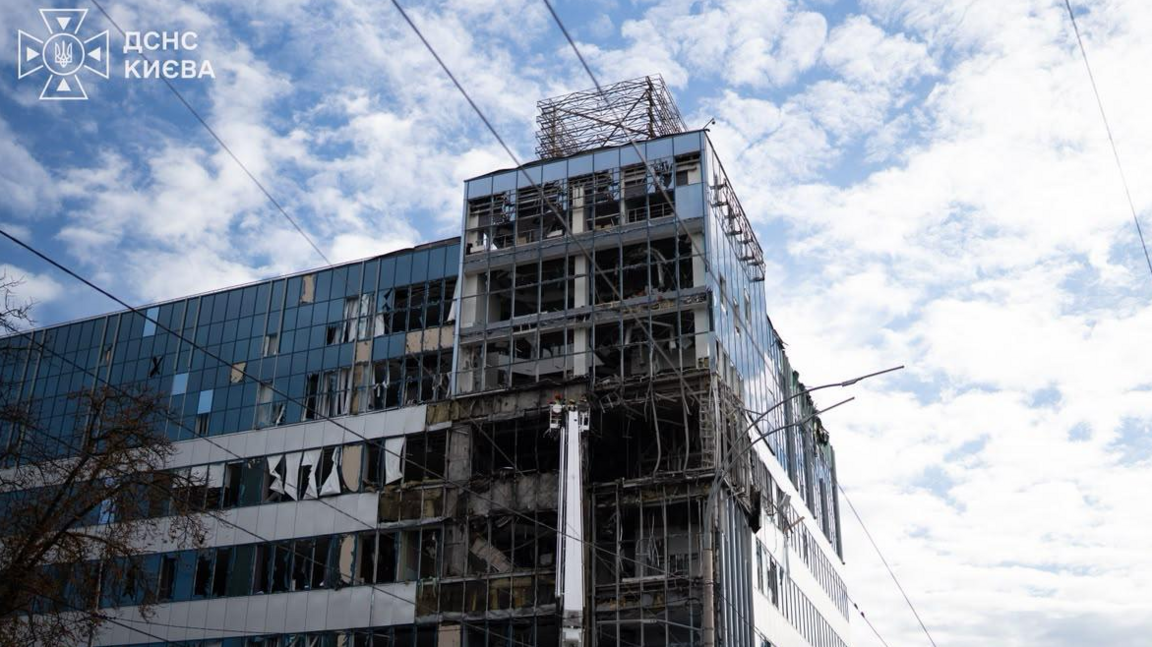
Zelenskiy explained that such attacks interfere with people’s ability to stay connected, study, and work. A Russian drone hit a business centre in Kyiv on Friday, killing four people and damaging a data centre. In addition, a 14‑year‑old Israeli boy was killed when a Russian drone struck a multi‑storey residential building in the capital’s Pecherskyi district.
Russia admitted to targeting the data‑centre site that was being used by Ukrainian military intelligence. About 100,000 households in Kyiv and its surrounding region suffered internet outages on Wednesday as a result of the strikes.
Some Ukrainian firms have begun transferring data from damaged servers to overseas facilities. In the north‑western city of Lutsk, electronic information boards at public transport stops were non‑functional, officials attributed to damage caused by attacks on Kyiv’s data centres.
Zelenskiy stressed that Russia’s escalation is aimed at ordinary life, targeting American and other businesses, data centres and internet providers. He urged the global community to respond, so Russia feels the impact of its terror.
Later that day, Ukraine’s defence and security chiefs decided to take "additional measures" to protect data centres and critical communication facilities, ensuring continuous operation.
Foreign Minister Andrii Sybiha said Russia targets life‑saving information flow by attacking data infrastructure. He emphasized that rapid alerts about missile and drone threats are essential for civilian safety and that the internet remains critical civilian infrastructure, not a military target.
Ukraine’s internet network is highly decentralised, according to adviser Serhii Beskrestnov, so the country will not lose internet access entirely, even if local services suffer.
Meanwhile, Russian President Vladimir Putin hinted at reconsidering direct peace talks with Kyiv, citing recent large Ukrainian attacks on Moscow and other regions.
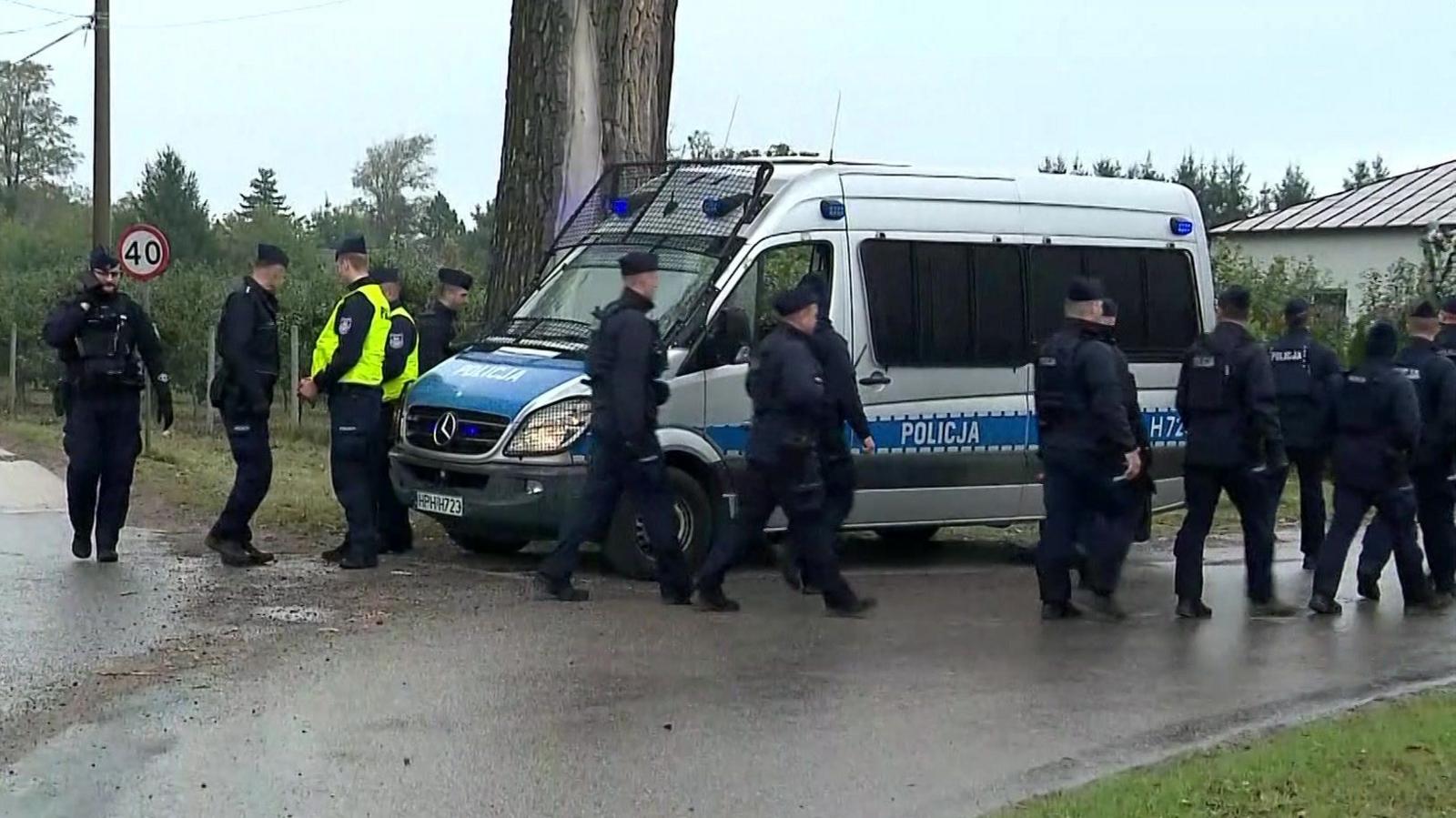
On the international front, the European Union released €6.6 billion to support Ukraine, including €900 million for military assistance and a €1 billion joint procurement fund. Poland’s prosecutors opened an investigation into an arson attack on a Starlink satellite station in Wola Krobowska, which the Russian special services may have ordered.
European NATO members warn of possible hybrid attacks by Russia, which Moscow denies. Germany and France have highlighted threats to critical infrastructure and defence industry sites.