Zelenskiy claims Russia has widened its attacks to target Ukraine’s data centres and internet providers.
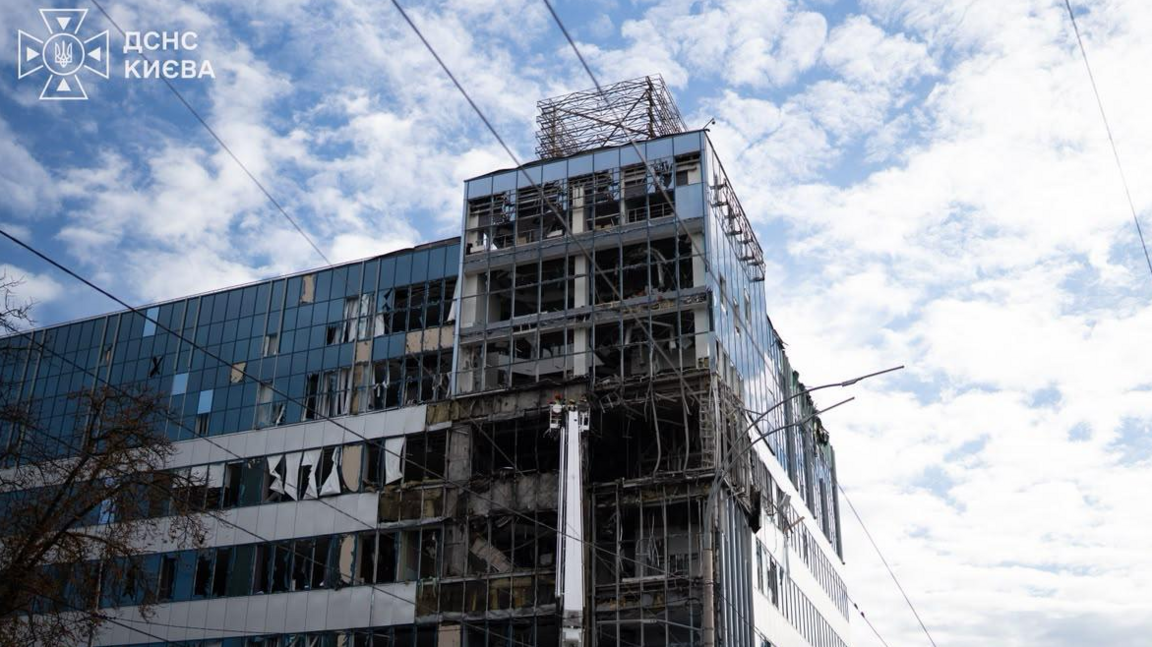
The president said the strikes harm ordinary citizens’ ability to stay connected, study and work, following a drone strike on a commercial hub in Kyiv that killed four people and damaged a Datagroup data centre.
A separate attack killed a 14‑year‑old Israeli citizen; Israel’s foreign ministry confirmed the victim’s nationality. Moscow has admitted the site was being used by Ukrainian military intelligence.
About 100,000 households in Kyiv and surrounding areas suffered internet outages on Wednesday because of the strikes, prompting some firms to move their data to facilities abroad.
In Lutsk, electronic information boards stopped working after Ukrainian officials linked the disruption to damage in Kyiv, underscoring the reach of the attacks.
In a social‑media post, Zelenskiy warned that Russia was "expanding its escalation operation" by targeting American and other businesses, calling the attacks a deliberate assault on ordinary life and demanding a global response.
He announced that new measures had been decided with top defence and security officials to protect data centres and other critical communications, ensuring they remain operational.
Foreign Minister Andrii Sybiha said Russia aims to disrupt “life‑saving information” flows, stressing such civilian infrastructure is vital for everyday life and not a legitimate military target.
Zelenskiy’s adviser on defence technology warned that local disruptions might force cost increases to cover repair expenses, while Serhii Beskrestnov emphasised Ukraine’s highly decentralised internet network would keep the country connected.
The Kremlin’s intensified strikes on Ukraine’s energy and railway infrastructure as winter approaches show a broader strategy to cripple the nation’s civilian lifelines, even as Kyiv counters by striking Russian oil refineries and logistical hubs, underscoring the escalating cyber‑physical warfront.