Ukraine Anger as EU Removes Russian Oligarchs From Sanctions List
In a decision that has rattled Kyiv, the European Union announced that it would remove sanctions on two Russian oligarchs who were listed after the 2022 invasion of Ukraine. The move comes after appeals from France and Luxembourg, and follows a compromise reached with Latvia.
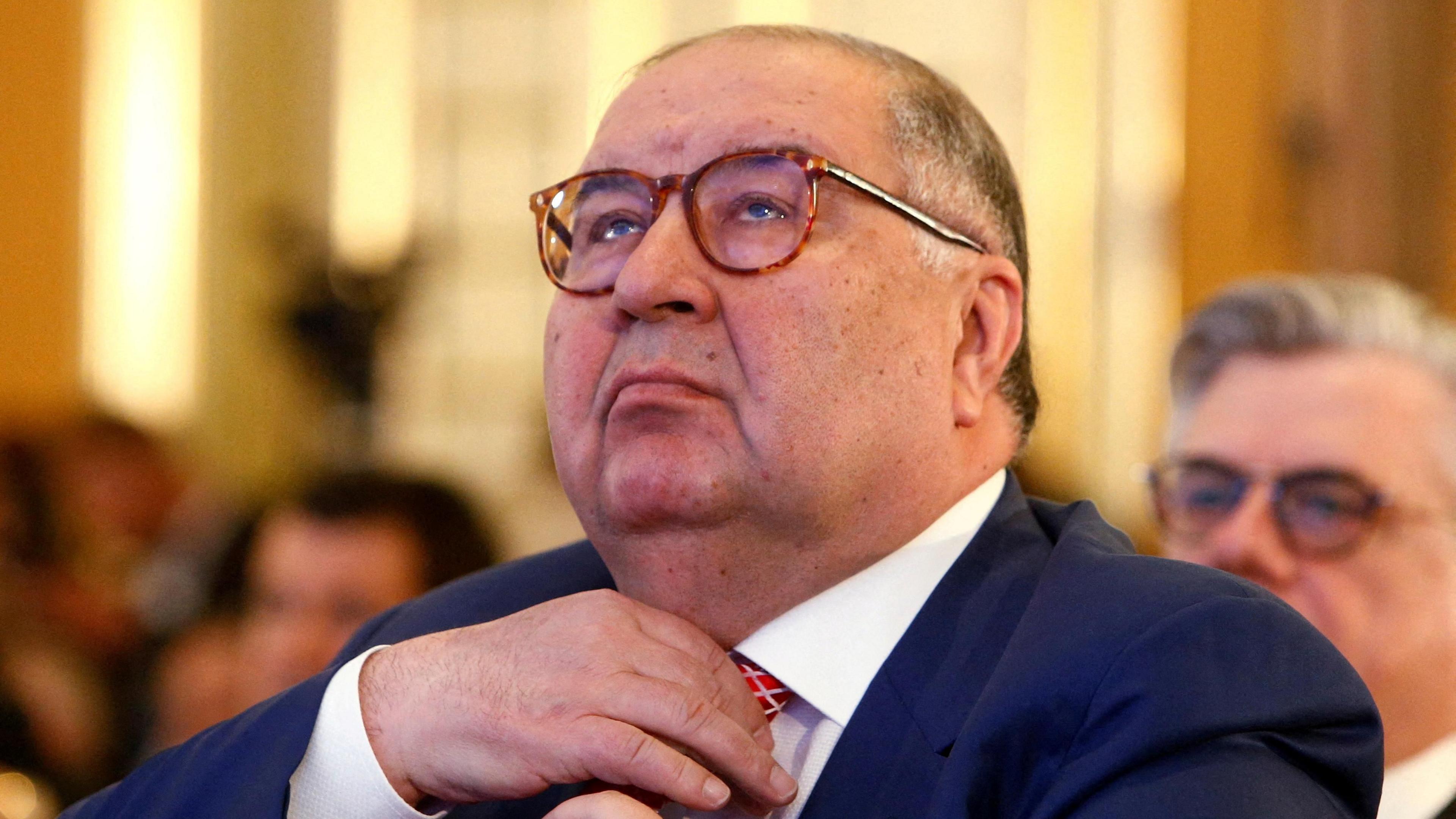
Alisher Usmanov, a Russian-Uzbek billionaire linked to President Vladimir Putin, and Mikhail Fridman, a Russian‑Israeli businessman involved in finance and energy, both have faced asset freezes and travel bans imposed by the EU since 2022. These measures were described by Brussels as punitive actions against figures “closely tied to the Kremlin’s war machine.”
The policy change was welcomed by European officials who say it reduces “radical pressure” on the EU. However, the removal has been labelled as “unacceptable” by Ukrainian leaders, who voiced their discontent on the social‑media platform X, where Foreign Minister Andriy Sybiha called the decision a signal that “Moscow is celebrating because it gained a sense of impunity.”
Latvia, which initially opposed the move, altered its stance after a compromise: sanctions on about 3,000 remaining individuals and entities would be extended for three years, a longer period than the previous six‑month renewal cycle. The country’s Prime Minister, Andris Kuldbergs, noted that France had begun talks about a nuclear deterrence partnership that would deepen Latvia’s military presence.
Kremlin spokesman Dmitry Peskov praised the decision, claiming that the EU’s sanctions were illegal and advocating for the removal of all Russians from sanction lists. Usmanov, who has been criticised for ties to the Premier League clubs Arsenal and Everton as well as investments in metal and telecom sectors, has dismissed the sanctions as “unfair.”
The dual sanction easing reflects a broader EU strategy to manage pressure from member states while striking a balance against Russia. Whether this shift will alter the trajectory of the conflict remains to be seen, but Ukrainian officials have warned that it risks emboldening Moscow and dividing European unity.