In brief
In a critical test of executive power, the U.S. Supreme Court will hear arguments concerning President Trump's executive order declaring that children born to undocumented immigrants are not U.S. citizens. This case has been described as a significant step in the ongoing legal battles surrounding immigration policy. A ruling is anticipated by early summer, and Trump’s attendance as a sitting president marks a historic first in this venue.
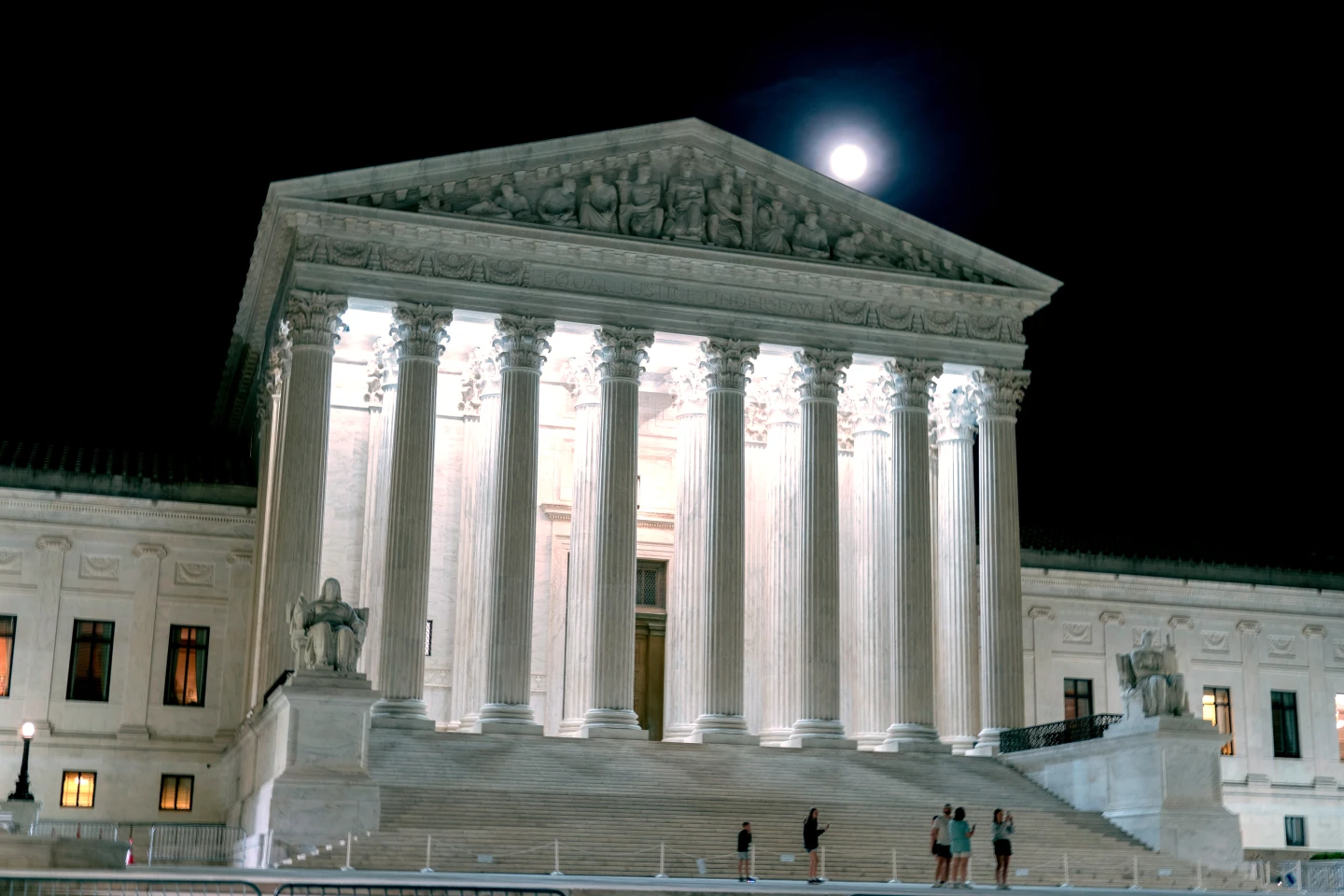
On Wednesday, the U.S. Supreme Court will engage in one of its most pressing cases of the term, as President Donald Trump appeals a lower-court decision that struck down his executive order on birthright citizenship. Trump’s directive asserts that children born in the U.S. to parents who are undocumented immigrants would not automatically be granted citizenship.
As he prepares to appear at the court—an unprecedented act for a sitting president—Trump's arguments will center on several lower-court rulings opposing his stance, which have thwarted the order from being implemented nationally.
Experts anticipate a definitive ruling by early summer, which could have significant implications for over a quarter of a million infants born annually in the U.S. to undocumented parents. The outcome may also reshape the understanding of the 14th Amendment, which has traditionally granted citizenship to all individuals born on U.S. soil, with limited exceptions.
Trump has been vocal against the judiciary, openly criticizing justices who oppose him, and using social media to challenge the legitimacy of Judge rulings related to this issue. His order appears to contradict the 1898 Supreme Court precedent set in Wong Kim Ark, which established the citizenship rights of native-born children.
The Solicitor General has argued that the court should clarify misconceptions about citizenship in light of modern contexts, though opposing legal teams assert that the president's reinterpretation of citizenship would undermine established rights and laws.
As this combination of legal, social, and political issues unfolds, the implications of the court's upcoming ruling could shape American citizenship for generations to come.