SIOUX FALLS, S.D. (Flux Daily) — A transformative change in Canadian citizenship laws has led to a surge of interest among Americans seeking dual citizenship. The new legislation, which took effect on December 15, 2025, allows individuals with Canadian ancestors to apply for citizenship more easily, igniting a potential race for applications.
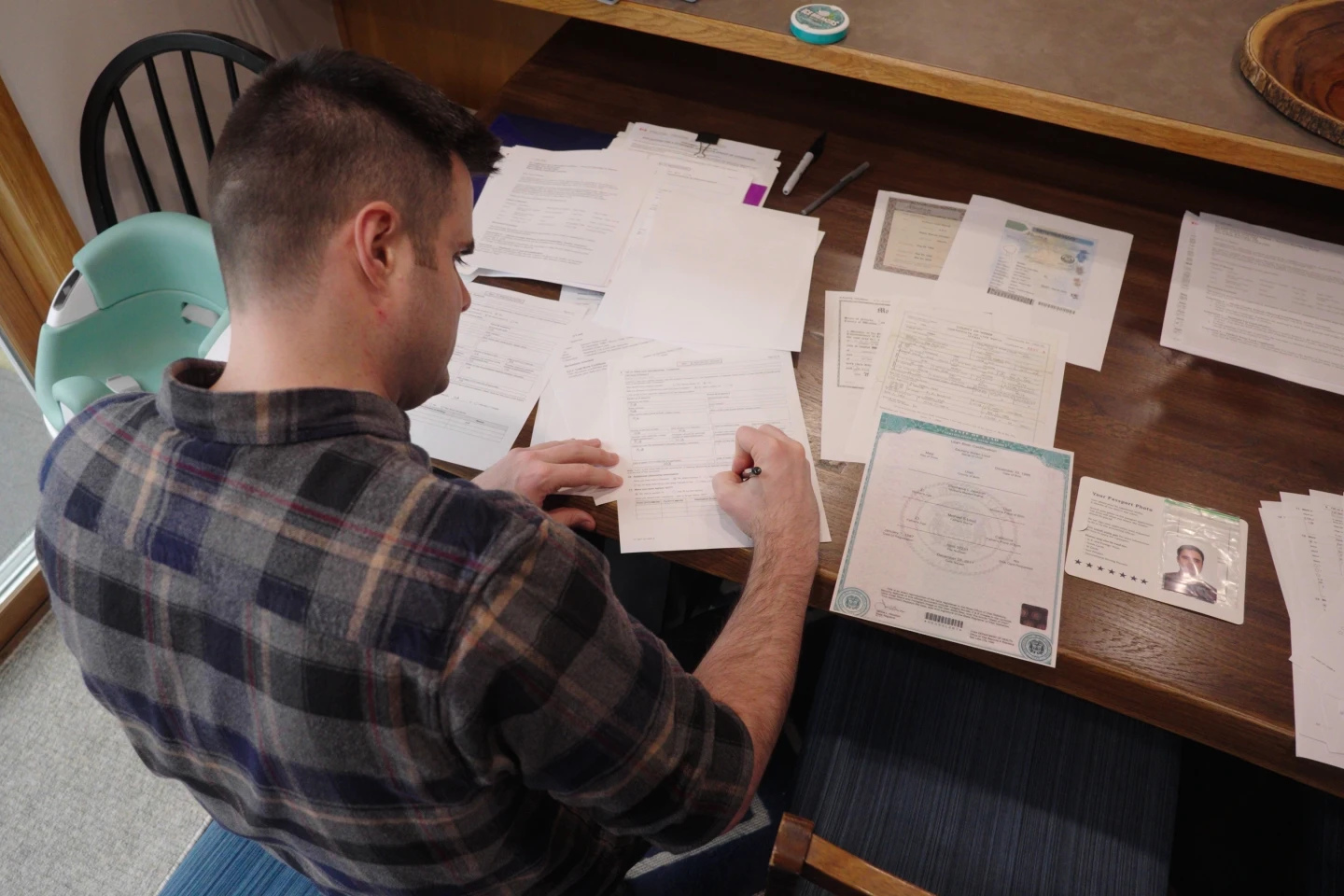
Individuals like Zack Loud from Farmington, Minnesota, were surprised to learn of their citizenship status due to their Canadian grandmother. My wife and I were already considering job opportunities outside the country, but the citizenship possibility has made Canada a top contender,” he noted.
Immigration lawyers across North America report being inundated with requests for assistance. Nicholas Berning from Washington states, “Our office is flooded with inquiries about Canadian citizenship. We have shifted our focus solely to these cases.”
According to Amandeep Hayer, an immigration attorney in Vancouver, consultations have escalated from 200 cases a year to over 20 per day since the law change. This reflects a growing trend where many Americans are reassessing their ties to Canada.
Details of the New Legislation
Canada has historically revised its citizenship laws, particularly addressing issues of discrimination and updating regulations. Bill C-3 marks a significant change, allowing citizenship by descent to anyone born before December 15, 2025, with a direct Canadian ancestry. Individuals born after this date need to prove their parentage and meet residency requirements.
The law simplifies the process for millions of Canadians abroad, as descendants now have automatic citizenship rights, pending proof. Hayer estimates that millions in the U.S. may qualify without realizing it. “If you’re a descendant, you are Canadian by birthright, and applying is merely a confirmation of that status,” he stated.
Motivations for Seeking Citizenship
Motivations for seeking dual citizenship vary widely. Some cite Donald Trump’s immigration policies as a catalyst, prompting reflections on the American political climate. Michelle Cunha from Massachusetts expressed her decision to relocate to Canada, feeling her political efforts in the U.S. had yielded little progress. After a long career of activism, I recognized that the vision I fought for isn't manifesting soon,” she shared.
Troy Hicks, recalling a recent international trip, also noted a decline in the perception of the U.S. globally. “After encountering negative sentiments abroad, the Canadian passport felt like a better option,” he remarked.
Cost and Process of Application
Applying for proof of citizenship in Canada is relatively inexpensive at 75 Canadian dollars ($55). However, costs may increase for those seeking professional assistance. Cunha estimates her legal fees at approximately $6,500, while others, like Mary Mangan, successfully navigated the process independently.
During this period, Citizenship Canada processed nearly 1,480 applications post-law enactment, with thousands more expected as individuals prepare their documentation. Current processing times are about ten months, with over 56,000 applications awaiting decisions.
Canadian Perspectives
Fen Hampson, an international affairs professor in Ottawa, indicated that Canadians generally welcome newcomers but express concerns about individuals with minimal connection seeking citizenship for convenience. There is apprehension that the influx of American applicants could hinder timely processing for refugees and asylum-seekers seeking safety in Canada.