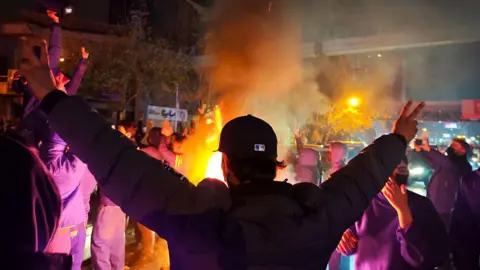
Starlink has reportedly waived monthly subscription payments for users inside Iran after its government shut down the internet last Thursday—cutting off millions of people from their families, livelihoods, and access to information during a deadly crackdown on protests.
The satellite technology has become a vital communications lifeline for some of those in the country trying to tell the outside world what has been happening on the ground in recent days.
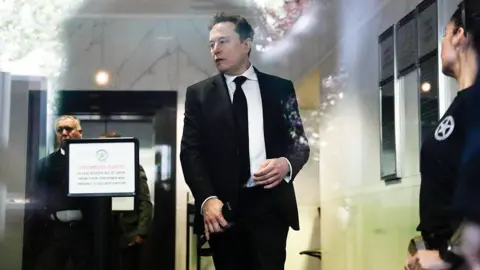
While two users confirmed to BBC Persian that their devices continued to function despite missed subscription payments, authorities have been on the lookout for Starlink dishes to prevent further connections. Starlink, operated by Elon Musk's SpaceX, connects tens of thousands of Iranians to the internet, serving as one of the last remaining channels for communication amidst government censorship.
However, using the service may lead to severe consequences, including imprisonment for up to two years. Reports indicate that Iranian forces have been searching rooftops and buildings believing to house these devices, particularly in areas linked to significant protest footage.
Despite all hazards, many remain determined to utilize Starlink. Recent data suggest that approximately 50,000 people in Iran are actively using the service. One man traveled an arduous 1,000 kilometers to the border to access networks from neighboring countries and send recorded footage reflecting the scale of unrest, including scenes of mass casualties.
The Iranian government has been heavily involved in limiting the narrative shared through the internet. Human rights organizations observe that they have been employing phishing techniques to spy on citizens digitally, further tightening their grip on public communication through a government-controlled network.
In recent developments, Iranian intelligence services have purportedly seized Starlink kits intended for anti-government activities; however, reports from within the country indicate that these devices are primarily used by individuals seeking to circumvent censorship and share video content with the world.
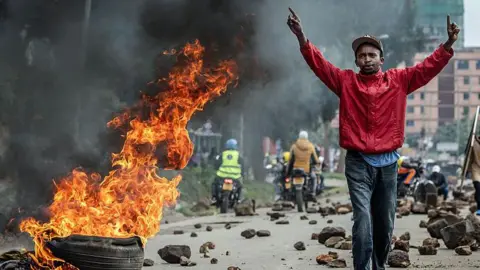
The ongoing protests, triggered by economic turmoil, demand not just better living conditions but also political change. With around 2,400 confirmed fatalities and many more unaccounted for, the urgency on the ground continues to rise.