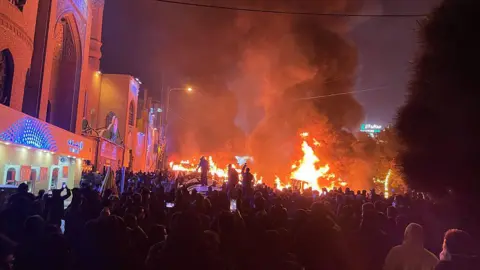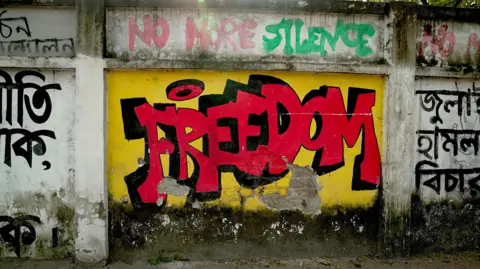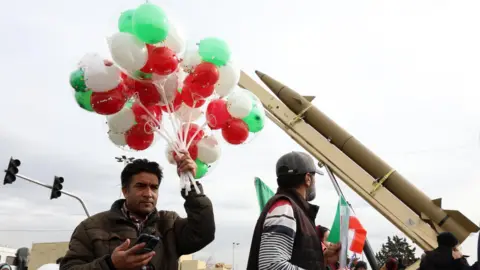
When clocks struck nine across Tehran on Tuesday, the night skies filled with sound in celebration of the 47th year of the Iranian revolution. Chants of God is greatest rose from rooftops, punctuated by fireworks in a kaleidoscope of color. But this year, amidst the jubilation, a discordant note resonated—echoes of death to the dictator pierced the festive atmosphere.
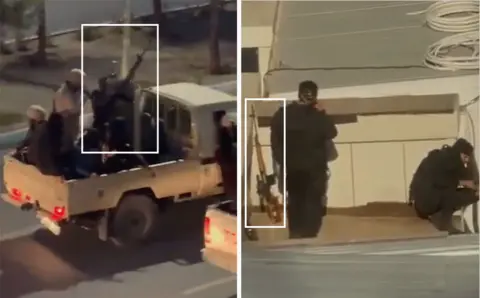
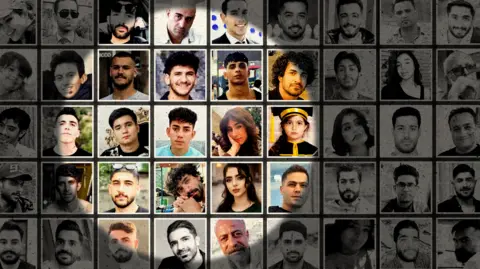
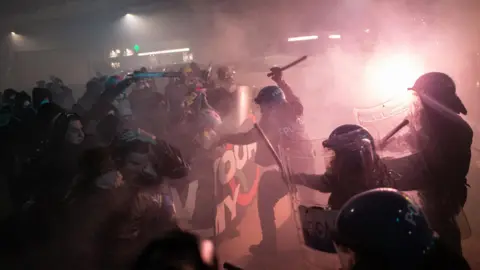
This sentiment recalled the recent wave of protests that swept across the nation last month, met with unprecedented force and a tragic toll not seen in previous uprisings. It was our first visit to Iran since these events, as authorities began to lift a near-total internet blackout, allowing international media to return.
Moving through the capital, the mood starkly contrasted with our last visit in June, at the tail end of a conflict with Israel. Now, Tehran is adorned with flags celebrating what is termed the ten days of dawn, a period that marks the historic revolution that ousted the shah and redefined the country in 1979. Yet, this year's celebrations are shadowed by widespread dissatisfaction—skyrocketing prices and calls for an end to clerical rule have left many feeling disillusioned.
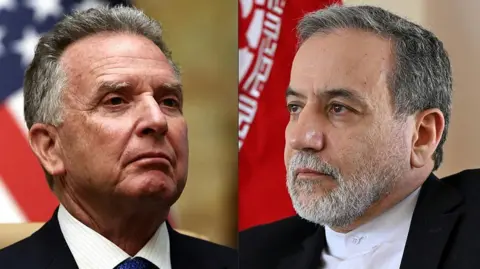
Furthermore, external pressures exacerbated by international tensions, notably from the USA, threaten to compound Iran's difficulties. Public frustrations were expressed fervently, with many lamenting economic hardships: soaring food prices and high unemployment rates. Why should we suffer? one citizen pleaded, highlighting the emotional toll recent unrest has taken.
The convergence of celebration and protest paints a complex picture of a nation at a crossroads—facing its defining challenges in the wake of both celebration and sorrow.