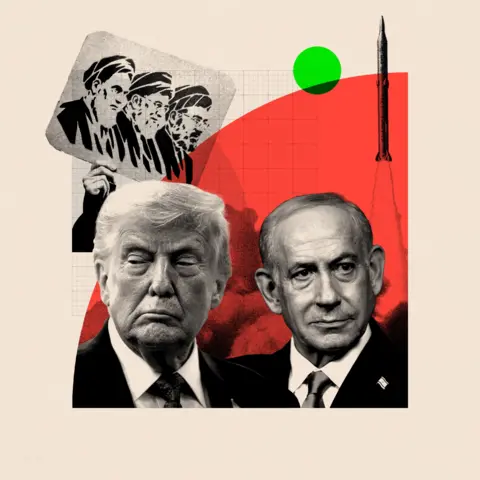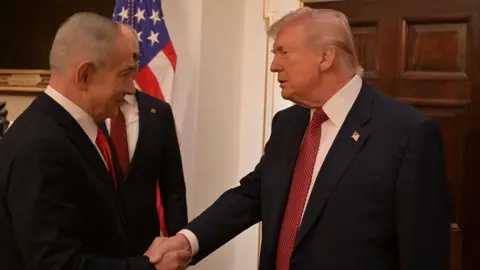
US President Donald Trump stated that he insisted on continuing negotiations with Iran during a critical meeting with Israeli Prime Minister Benjamin Netanyahu at the White House, warning he may take decisive action against Tehran if a nuclear deal remains elusive.
The meeting comes as tensions escalate in the Middle East while negotiations over curbing Iran's nuclear weapons program intensify. Netanyahu was expected to press for a comprehensive agreement that not only halts Iran's uranium enrichment but also addresses its ballistic missile capabilities and support for militant groups, including Hamas and Hezbollah.
While Iran has indicated a willingness to limit its nuclear initiatives in exchange for relief from sanctions, it has firmly rejected broader demands from the international community.
Ahead of the White House talks, Iranian President Masoud Pezeshkian made it clear that Iran would not relent to what he termed 'excessive demands' from the US. Netanyahu's visit marked his sixth trip to the US since Trump resumed office, underlining the close relationship between the two leaders.
During the nearly three-hour meeting, which was unusually low-key, the discussions were deemed productive yet inconclusive, with Trump mentioning that while a deal is his 'preference', the future would dictate necessary actions.
Netanyahu's office communicated that the discussions focused on Israel's security needs amid the ongoing negotiations. Amid heightened rhetoric, both leaders are navigating a challenging geopolitical landscape with implications for military actions should diplomatic efforts fall short.
As the Trump administration continues to bolster America's military presence in the Middle East, speculations arise regarding the possibility of further strikes on Iran if it remains uncooperative. Trump, however, expressed a desire for diplomatic solutions over military confrontations, especially with an election year approaching.
In the wake of the Iranian protests and the US and Israeli military operations last year, analysts believe that Iran's position has weakened, which could compel Tehran to reconsider its stance in negotiations.