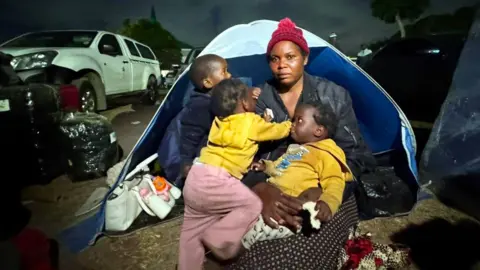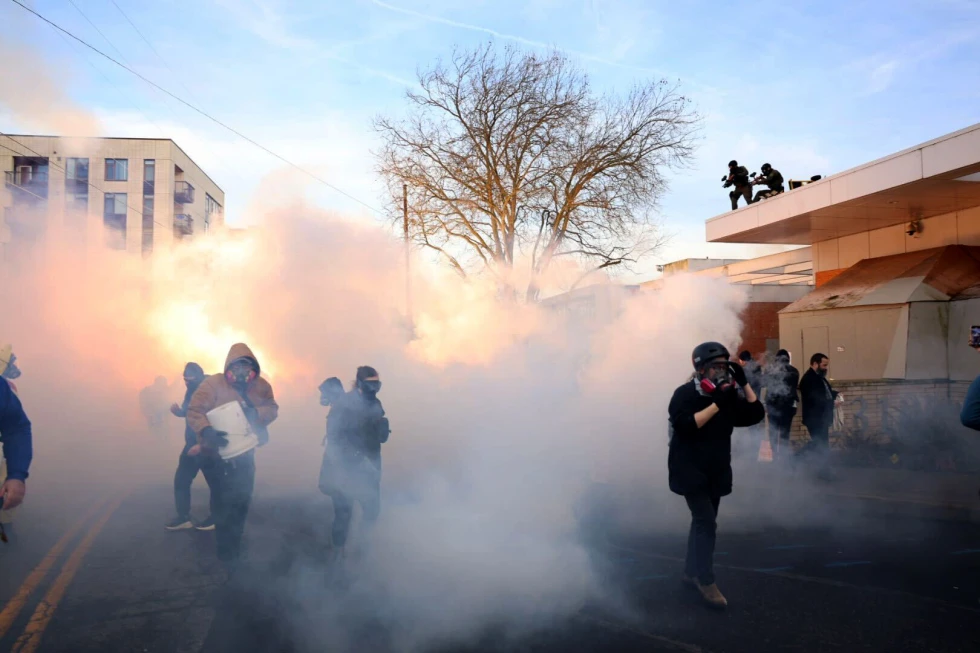
PORTLAND, Ore. (AP) — Alarmed by the repeated exposure to tear gas used by federal agents during protests outside the immigration building across their street, residents of an affordable housing complex in Portland, Oregon, are taking protective measures. Some have purchased gas masks, while others have blocked windows and stuffed wet towels under their doors to protect themselves from inhalation of harmful chemicals. Children have even resorted to sleeping in closets to feel secure.
These residents are set to testify in federal court on Friday as part of a lawsuit aimed at limiting the use of tear gas during protests at the U.S. Immigration and Customs Enforcement (ICE) building, where tensions have escalated for months. The lawsuit was initiated by the property manager and several tenants of the complex, asserting that the deployment of chemical munitions infringe upon their fundamental rights to life and liberty by causing illness and rendering their homes unsafe.
The case unfolds amid national concerns regarding the aggressive tactics employed by federal officers in crowd control, particularly in response to growing demonstrations against immigration enforcement practices championed by the previous administration. The plaintiffs cite numerous health issues, including breathing difficulties and other respiratory ailments linked to the tear gas emissions.
Evidence from the lawsuit shows that affected residents report significant health complications following exposure to tear gas, including headaches and shortness of breath, conditions that have led to medical emergencies requiring hospitalization. For instance, a 72-year-old veteran was diagnosed with heart failure after the exposure, reflecting the severe impact on vulnerable demographics within the community, especially the elderly and low-income residents.
As the hearing approaches, the government maintains its stance that federal officers deploy such tactics in response to violent crowds, arguing that any incidental drift of crowd-control substances into private residences does not constitute a violation of rights. With testimonies slated and the community in distress, advocates and lawyers representing the tenants are pushing for urgent protective measures.
This legal battle highlights a growing discourse over the balance between public safety and civil rights, provoking strong reactions from both critics and supporters of the federal use of force during civil unrest. It remains to be seen how this case will evolve as concerns over community safety and federal accountability intersect.