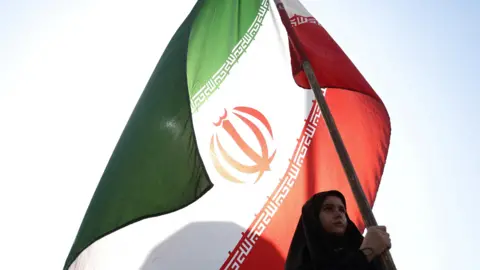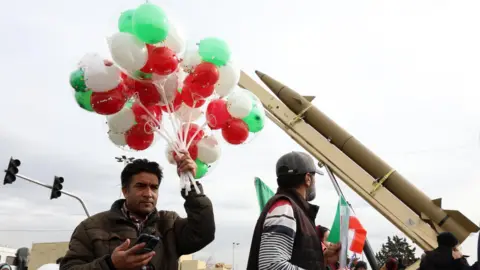
When clocks struck nine across Tehran on Tuesday, the night skies filled with sound in celebration of the 47th year of the Iranian revolution. From our hotel balcony, we listened as chants of 'God is greatest' rose from rooftops amidst a backdrop of fireworks. Yet, this year’s celebration was marred by an unsettling tone. Chants of 'death to the dictator' reverberated throughout the city, echoing the extraordinary wave of protests encountered last month.
The spirited atmosphere in the capital sharply contrasts with last June's visit at the tail-end of an 12-day war with Israel, which had deeply shaken residents. Now, the streets were adorned with flags symbolizing the historic revolution that reshaped Iran in 1979. However, these remembrances were tainted by rising dissatisfaction amidst soaring prices and demands for reform.
The unrest, initially ignited by a currency collapse and escalating cost of living, presents an unprecedented challenge to the theocracy, alongside military threats from the U.S. and a clampdown on dissent. President Masoud Pezeshkian addressed throngs in Tehran's Azadi Square, acknowledging public discontent while attributing recent upheaval to foreign influences.
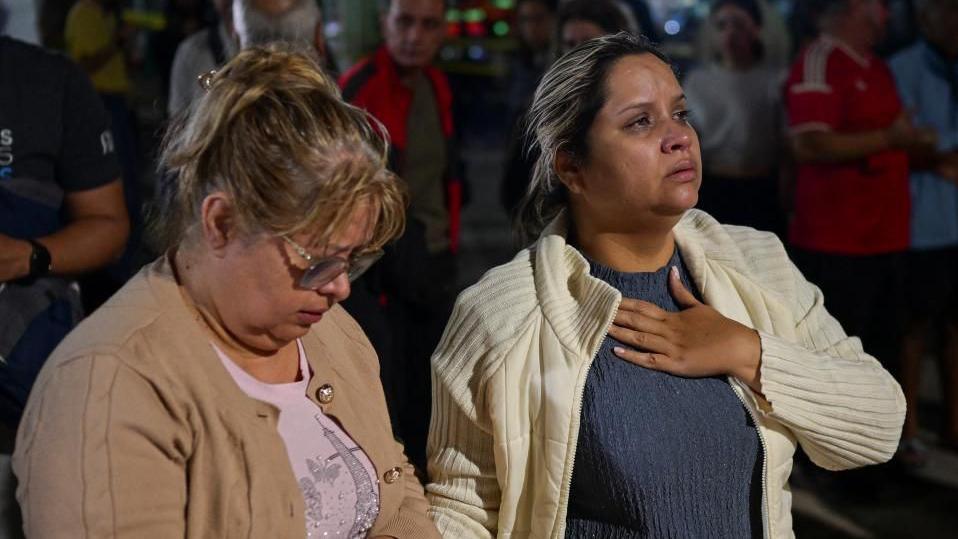
Interviews with citizens painted a haunting picture; many expressed frustration over economic difficulties, the rising cost of essentials, and disillusionment with the government. Amidst governmental displays of loyalty, a palpable undercurrent of despair and anger remains, framing Iran's current condition as it stands at a critical crossroads, facing the most significant tests since its own uprising nearly five decades ago.