Saudi Arabia is caught in a precarious line between solidifying deterrence and preserving a truce, as the kingdom's every move is influenced by escalating drone and missile attacks from Iranian proxies.
“Keeping a face‑off with the US‑Israeli coalition,” Riyadh said it has largely stayed out-of-the‑way but recent attacks from the Popular Mobilisation Forces in Iraq and the Houthis in Yemen have shifted the equilibrium, forcing the monarchy to act.
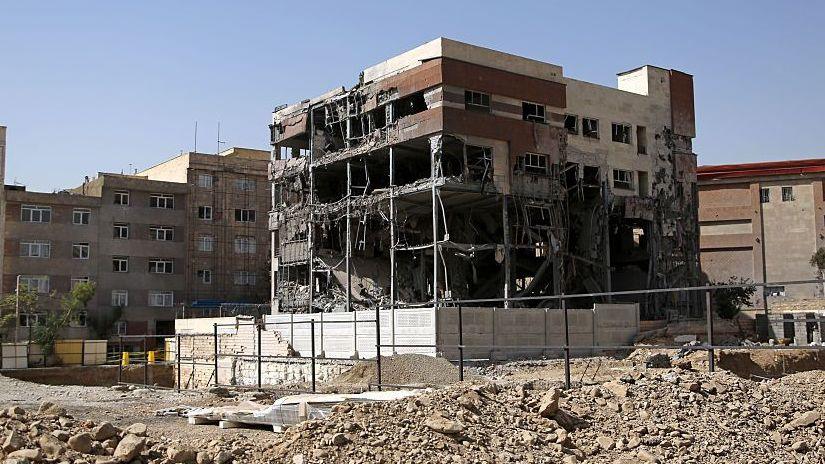
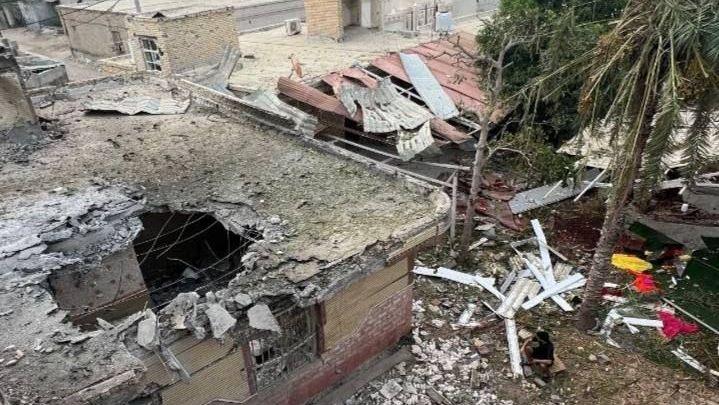
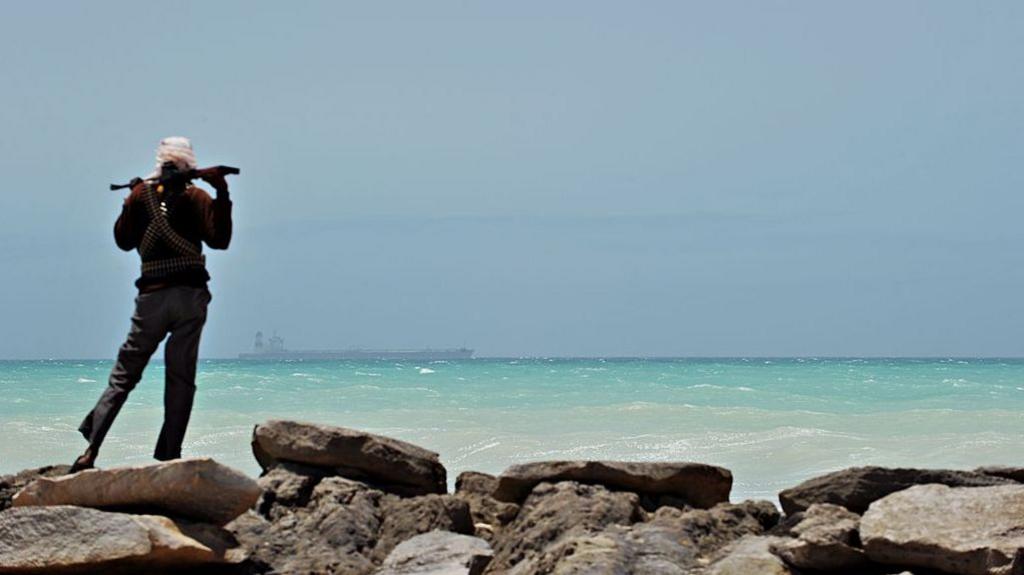
This week Saudi Arabia launched joint strikes alongside US forces against Iraqi militias that it said were sending drones at its gaze‑defence systems, revealing a sudden pivot from passive observation to surrendering offence. The raid illustrates both the kingdom’s desire to protect critical infrastructure and the limits of its Vision 2030 strategy.
Vision 2030 seeks to diversify Saudi Arabia’s economy away from oil, appealing to foreign investors and building high‑tech centres. Yet the attacks on Abqaiq and Khurais have illuminated the vulnerability of the nation’s oil production chain. Satellite images confirmed that missiles and drones have targeted pipelines and filling stations, at times putting 50% of Saudi exports offline.
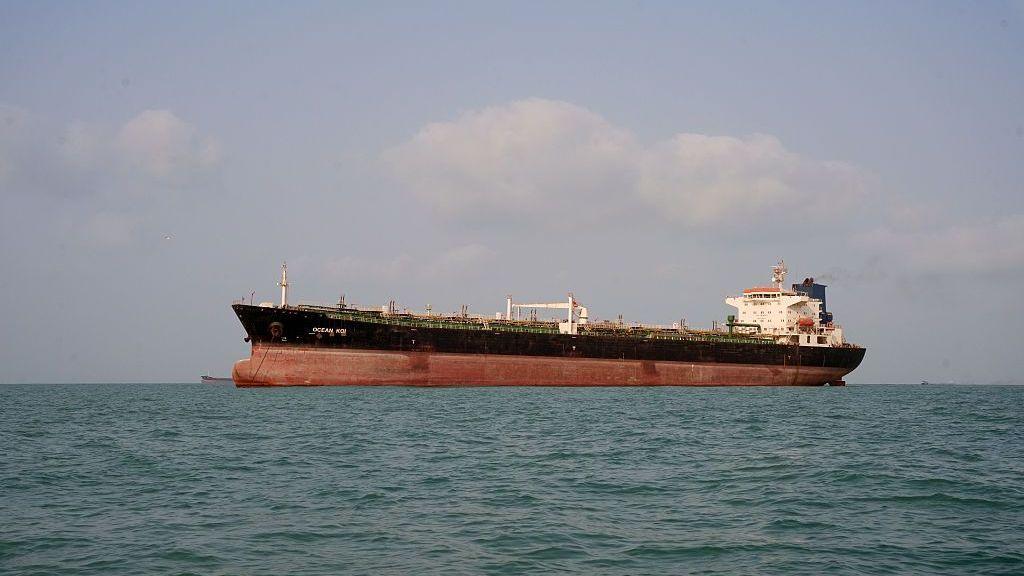
In a bid to maintain export capacity, the government rerouted five million barrels of crude via its east‑west pipeline to Yanbu for loading onto tankers bound for Asian markets. The decision to keep oil flowing coincided with a surprise strike on Sanaa airport and subsequent retaliatory attacks on Saudi airports.
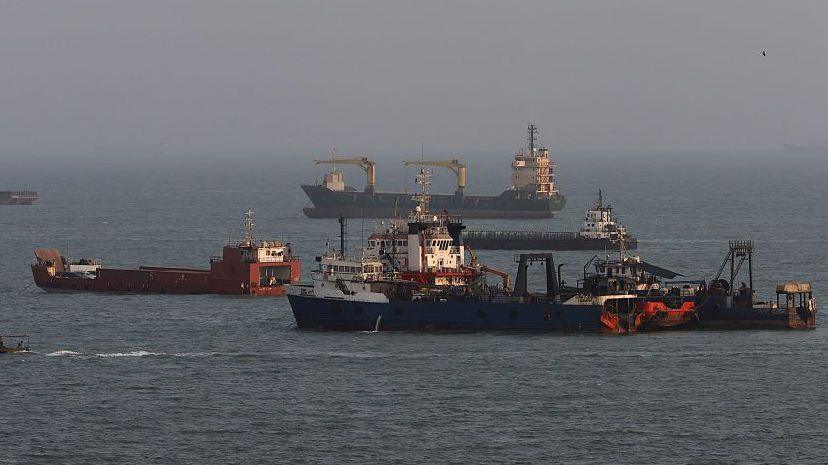
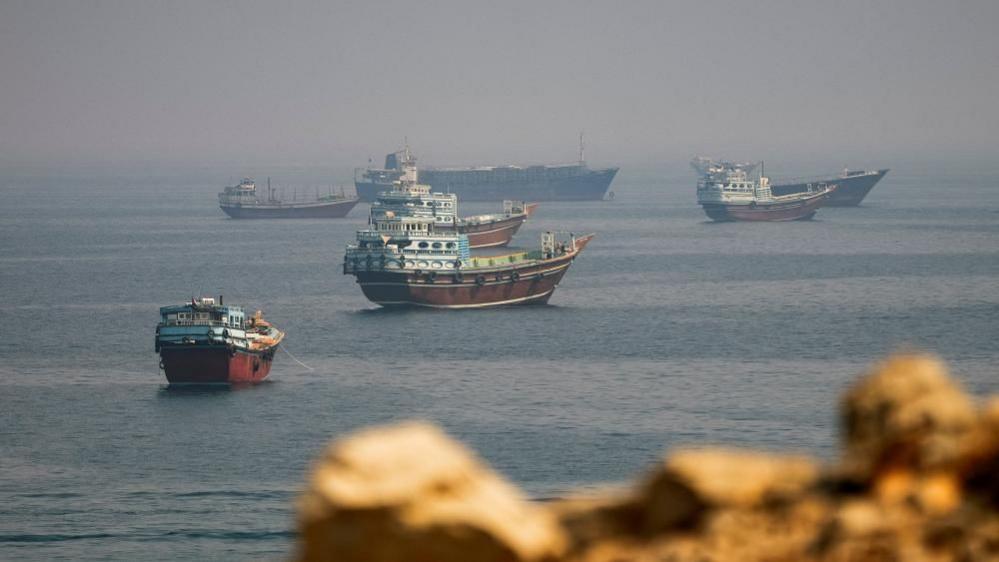
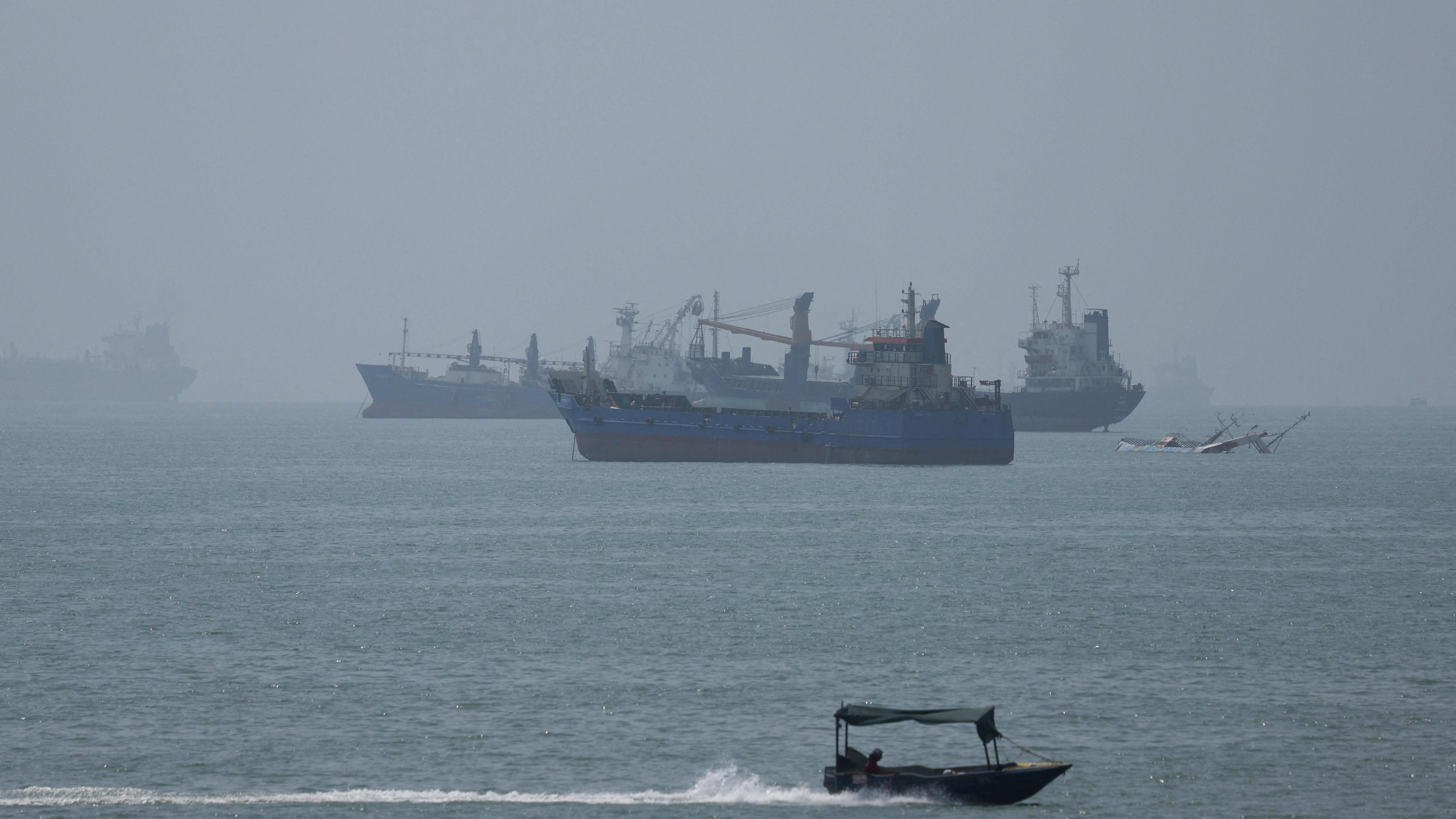
The surge of hostility extends beyond Iraq and Yemen – the Houthis have begun attacking shipping in the Red Sea, making the Bab el Mandeb strait a perilous corridor and further choking Saudi oil shipments to Asia. These developments threaten the very foundation of Vision 2030, undermining the confidence of international investors and market participants who depend on a stable supply chain.
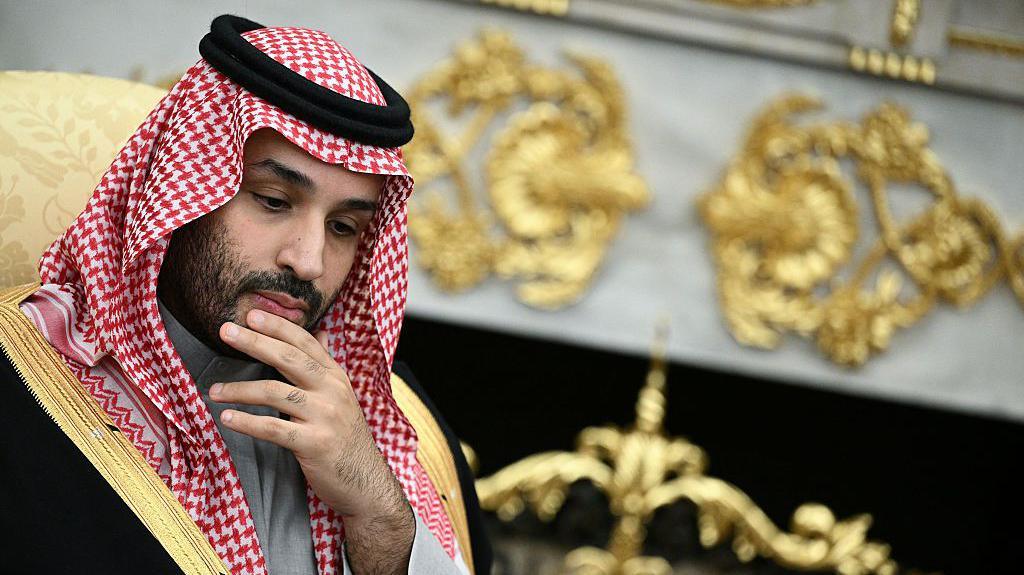
With the pressure multiplying from both the south and the north, Saudi Arabia’s leaders are forced to reassess whether the country’s security posture should tilt towards a deterrent stance or a strategy of concessions. The arbitration between deterrence and de‑escalation will shape the kingdom’s next decade and its million‑person labour market.