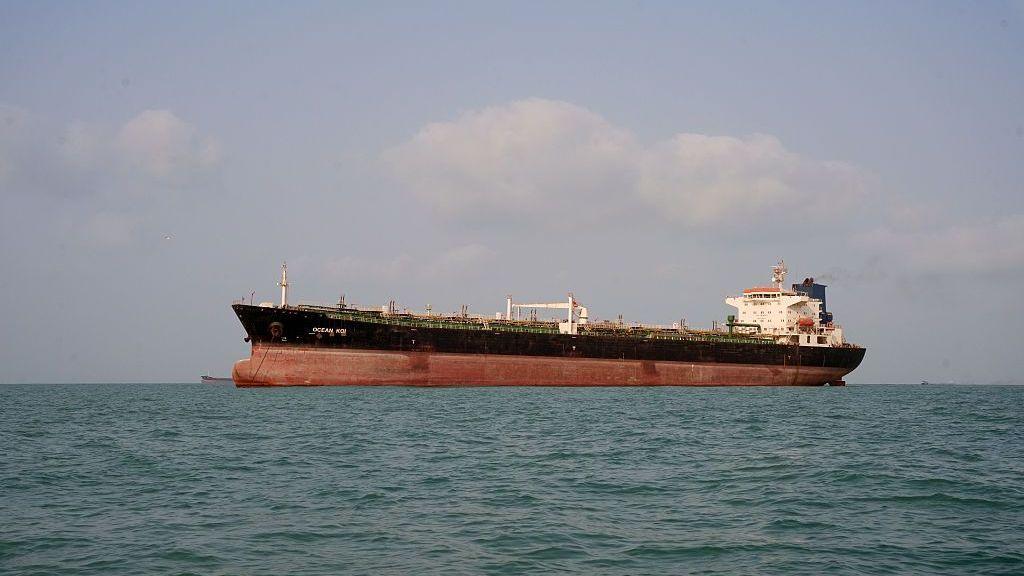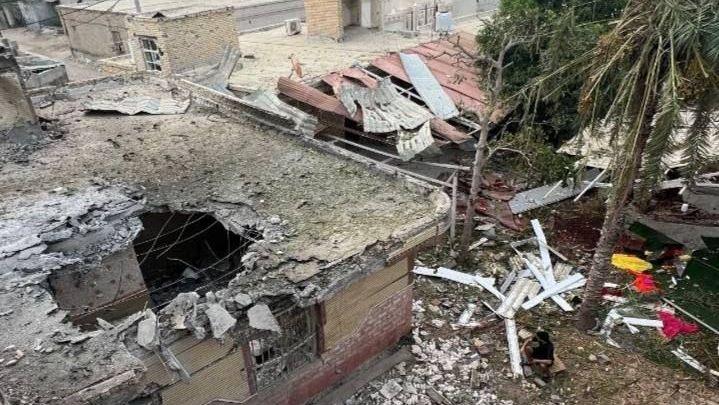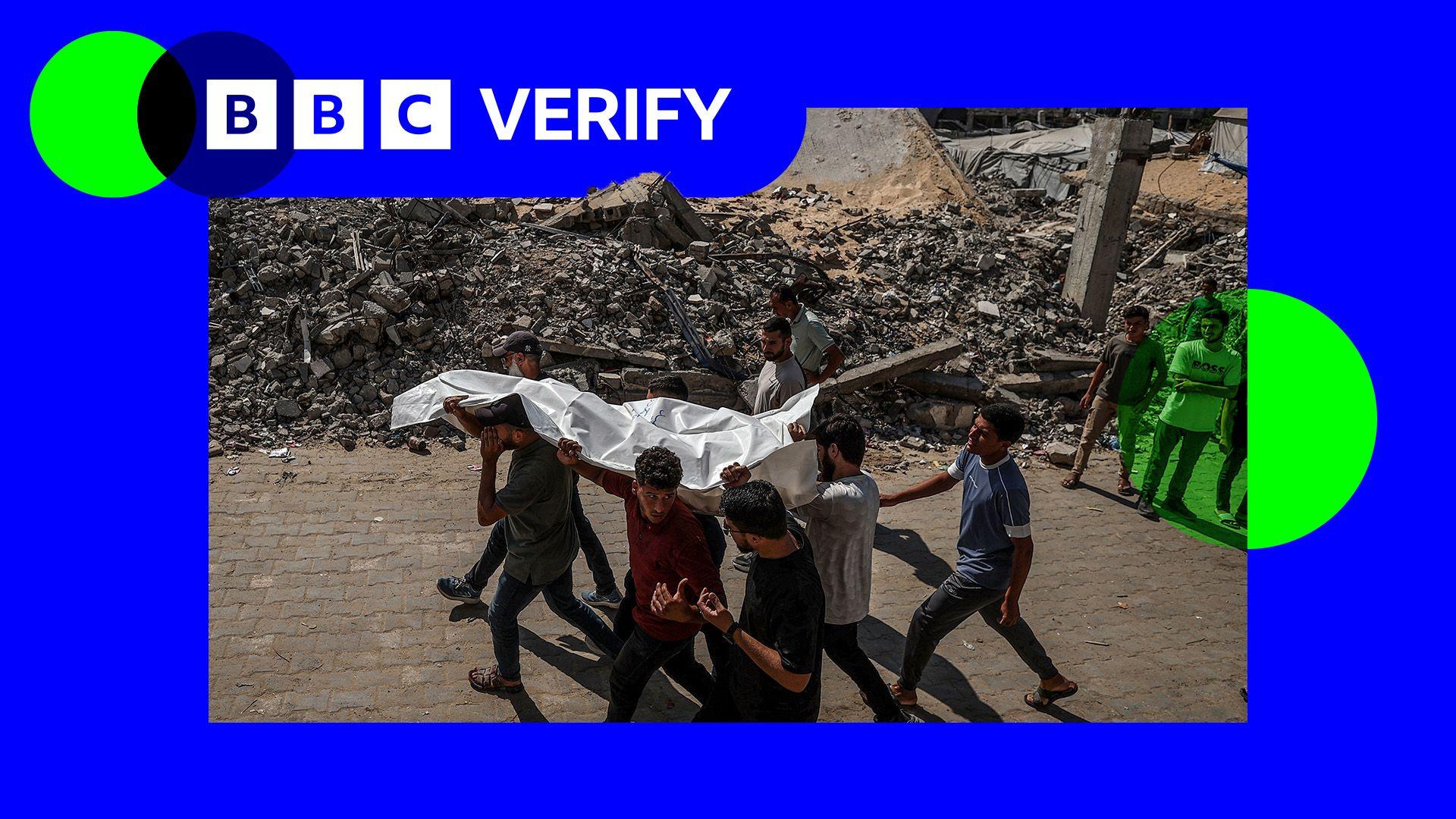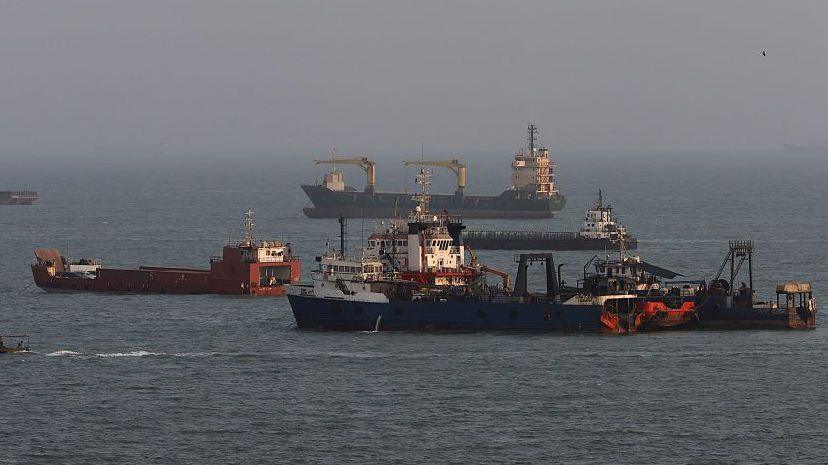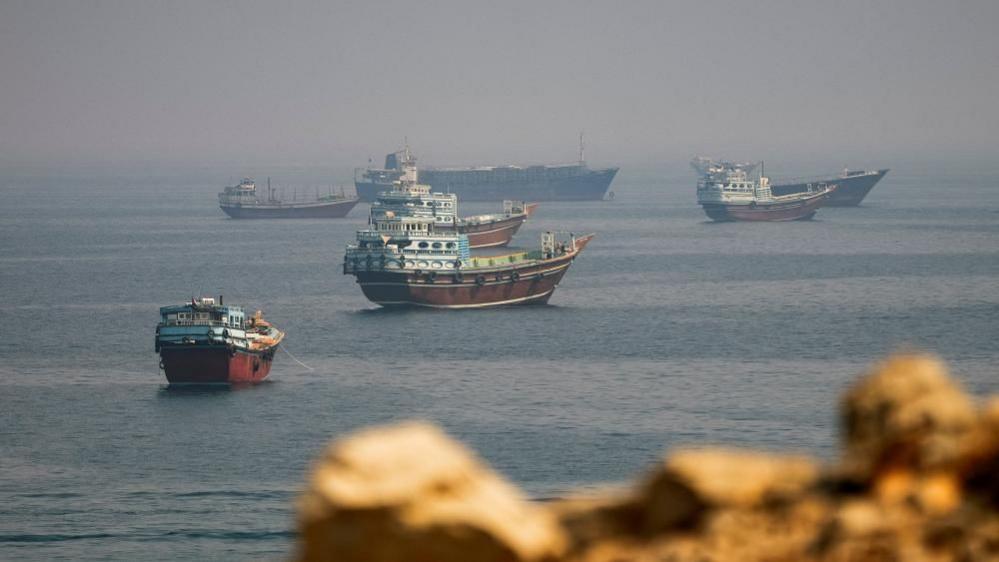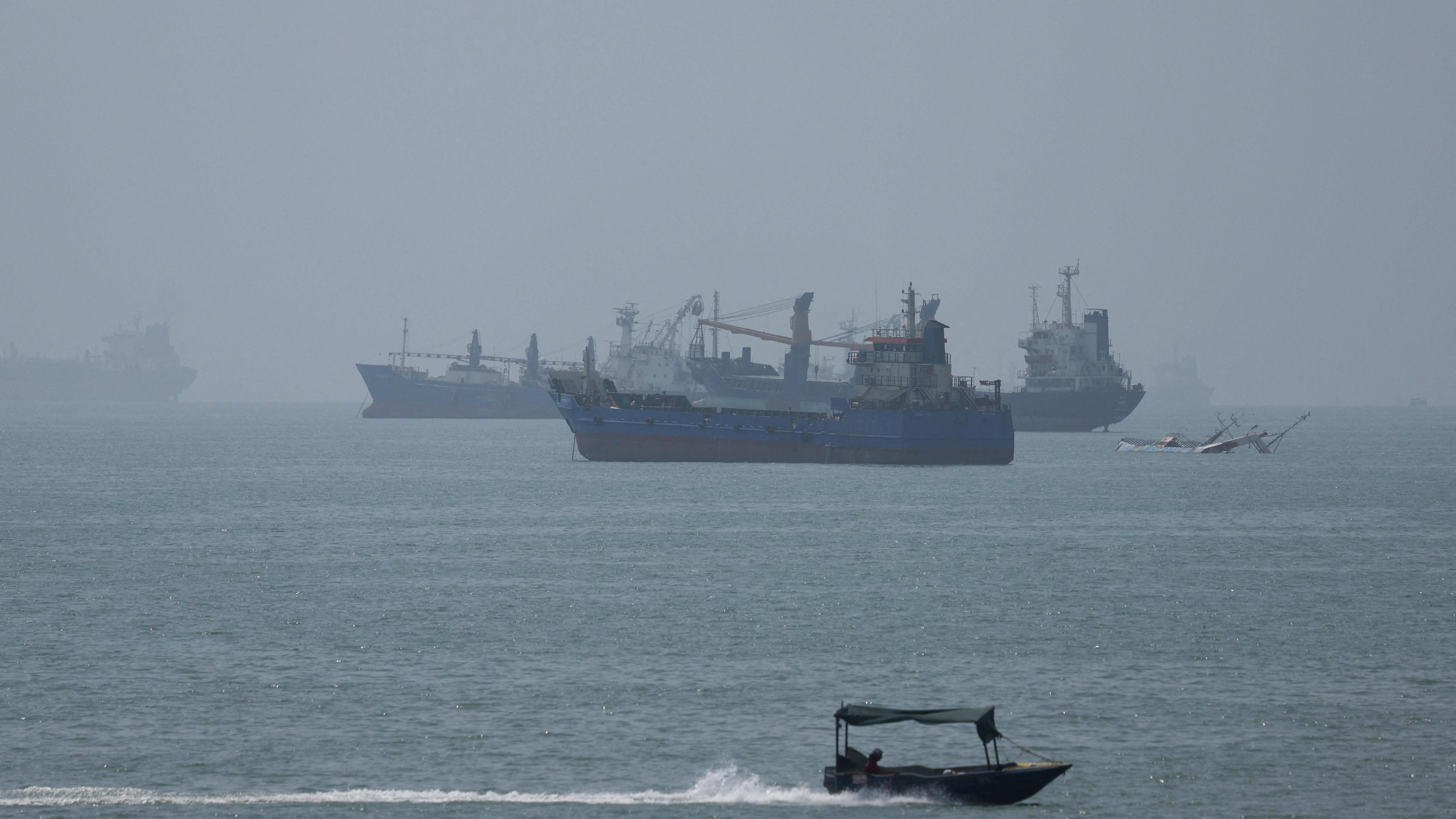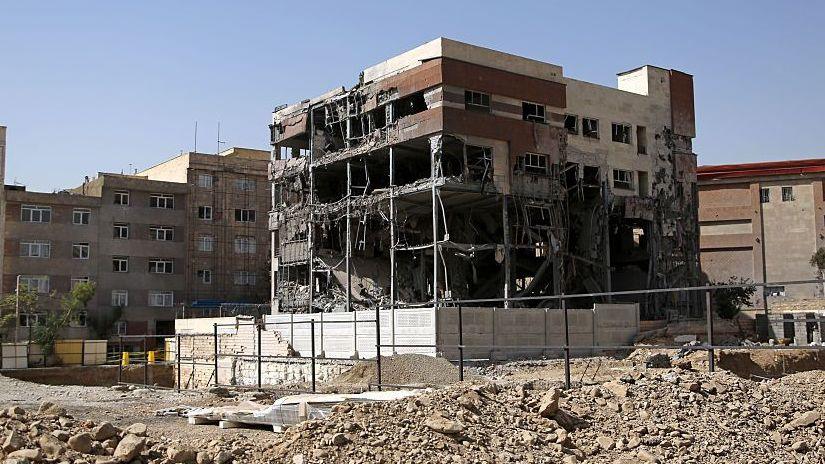

Seven months into the clash, US and Iranian forces have been locked in a cycle of strikes and rhetoric that raises doubts about a quick settlement. The latest surge of attacks comes as Washington stages a sweeping economic blockade aimed at pressuring Iran to halt its attacks on shipping lanes in the Strait of Hormuz.
US relies on military and economic pressure to erode Iranian negotiating power
Jason Campbell, Senior Fellow at the Middle East Institute, Washington DC. “The US still does not have a clear strategic objective in Iran. What was once thought of as a quick victory through military force has not achieved the desired effect. The administration is now juggling military strikes and new sanctions, hoping the economic squeeze will make the regime come to the negotiating table in a weaker position.”
Amid brief cracks in the flux of blockade, some US forces are mitigating global oil price spikes while still keeping pressure on.
Iran will wait for US concessions
Dr. Aniseh Bassiri Tabrizi, Associate Fellow with Chatham House’s Middle East and North Africa Programme, London. “Tehran’s calculations have not changed by the new strikes; the country is preparing for a further economic squeeze while continuing to respond proportionally. Iranian leaders are not wavered by sanctions or attacks; they will only consider concessions that restore a semblance of their negotiating power.”
Despite the ongoing attacks, the Iranian regime is not ready to concede to US pressure and continues to plan its next phase in the conflict.
US must return to ceasefire deal for lasting peace
Nicholas Hopton, Distinguished Fellow at the Royal United Services Institute and former UK ambassador to Iran. “The recent surge of military action will not force Iran to capitulate. Economic pressure alone will not work because major trade partners of Iran, such as China and Russia, do not back unilateral sanctions. The most effective exit strategy is to revive the June Memorandum of Understanding for a comprehensive ceasefire and the lifting of all sanctions, which would erode the power of the Revolutionary Guard and promote political change.”
Given the ongoing stalemate, a gradual and strategic approach grounded in a renewed ceasefire seems the most realistic path forward for both sides, albeit one that demands patience and the willingness to compromise.”