In brief
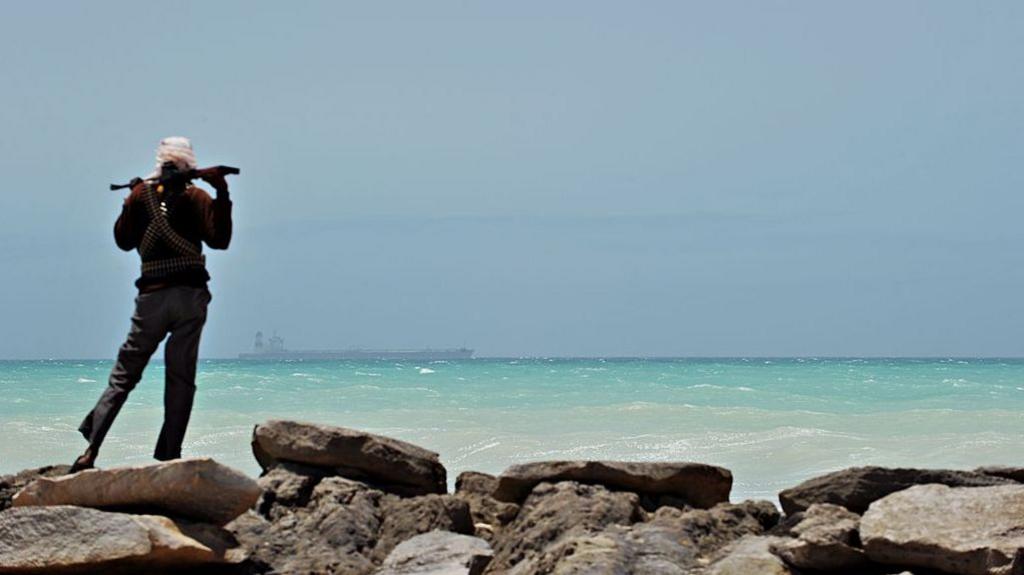
In the Gulf of Aden, Somali pirates have hijacked more than a dozen ships this year, a stark rise that echoes the decade‑long peak of the past. The flare‑up comes as U.S. forces redirect attention northward toward the Strait of Hormuz, leaving the horn of Africa’s waters less patrolled. Local security concerns – over over‑fishing and the distribution of foreign weapons – add fuel to the fire. The capture of the MV Lutuf and subsequent drone attacks have highlighted the risks of drone‑enabled piracy actions, with allegations that Turkey may have been involved.
The number of pirate attacks off Somalia’s coast has climbed sharply, with 13 vessels seized since January and two additional hijackings in the Gulf of Aden last week alone. The new wave follows an unprecedented series of drone strikes on pirate crews, a first in the region.
Experts say the uptick is linked to the wider confrontation between the United States and Iran. As US naval assets focus on the Strait of Hormuz and the Bab al‑Mandeb, the eastern flank of the Red Sea receives less patrol, creating a window for opportunistic pirates.
“Piracy is always a crime of opportunity,” said Omar Mahmood, a senior Somalia analyst at the International Crisis Group. “The pirates can now take advantage of fewer naval escorts and a high‑traffic shipping corridor.”
The latest seizure involved the MV Lutuf, a Cameroonian‑flagged vessel that was found near Puntland’s coast on 17 August. In the days that followed, a Turkish‑flagged drone strike reported by local sources killed nine pirates on the vessel, while the Somali government accused Turkey of the flash‑point attack.
The MV Lutuf is now held aboard six vessels demanding a ransom, with a total haul estimated in “millions of dollars.” Half of those ships are anchored near Bander Beyla, a known piracy hotspot. This is still far below the peak of the early 2010s when Somali pirates routinely seized dozens of ships annually.
The resurgence is spurred by local discontent over foreign trawlers depleting fish stocks and the presence of foreign weaponry, which many Puntland fishermen say fuels the criminal economy. These factors, combined with a more lucrative target set – particularly tankers with high oil cargoes – are encouraging more attacks.
Without resolution of the U.S.–Iran standoff and increased maritime deterrence, the region risks a sustained threat to shipping lanes that are already congested and contested. International naval patrols and coordinated security measures remain essential, but the broader geopolitical vacuum may see piracy return to a dangerous norm.