In brief
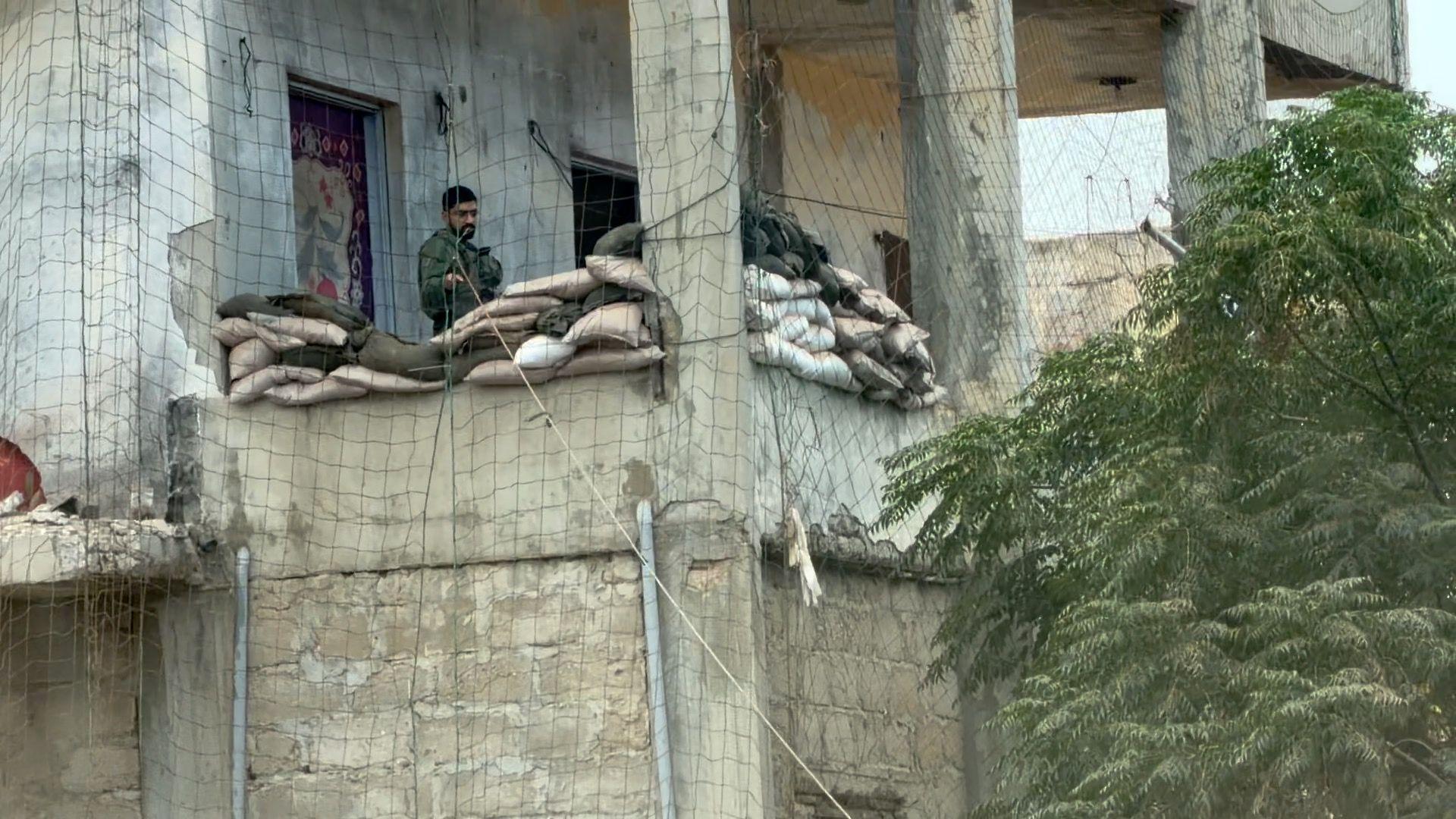
The BBC visited occupied southern Lebanon, revealing how Israeli forces are expanding their presence in a region heavily contested by Hezbollah. The convoy, escorted by UNIFIL troops, traversed a road marked by Israeli checkpoints that block civilians’ return. Multiple images show houses set ablaze, soldiers moving along a fortified wall, and buildings wrapped in netting to block drones. Human rights groups argue that these actions constitute deliberate destruction of civilian infrastructure, raising concerns of war crimes. Amid a fragile ceasefire, Israel conditions withdrawal on Hezbollah’s disarmament while Lebanese authorities demand full disengagement before any deal.
BBC reported on Monday – a convoy composed of Finnish UNIFIL soldiers and BBC reporters drove through southern Lebanon’s deserted high‑ways, turning its abandoned towns into an evidence of standing Israeli military occupation and a growing conflict.
The long‑deserted road by the Mediterranean, once a bustling trade artery, now stretches empty beside white‑and‑red Lebanese military posts and a thicket of Israeli flags which signal the border’s hardening. The checkpoint stands as the last touch of Lebanese sovereignty, yet the road behind it is blocked by Israeli forces, who have clarified to the reporters that only they may enter the area.
In a region that is the heartland of Hezbollah, the Iranian‑backed militia that Lebanon’s government condemns as a terror force, the BBC’s convoy recorded undertakings such as building demolitions, fortified tunnels, and “protective infrastructure” that bars drone shoots. Four new bases were opened during the conflict according to the UN, pushing the number of Israeli positions in Lebanon to nine.

Near the border, large‑scale demolitions continued even after the ceasefire was announced in June. Lebanese observers say that air strikes, shellings and near‑daily incursions continue along the “Yellow Line,” the line that defines the occupied border. Saudi‑ and U.S.‑brokered talks aim to strike a “pilot zone” where Lebanese troops would replace Israeli occupation, but Hezbollah blocks any such plan and insists on full withdrawal first.
The BBC’s account drew a rather stark picture of houses in the region covering with netting, a measure designed to protect them from Hezbollah’s exploding drones. The netting itself is a symbol, a layer of military protection that simultaneously communicates the impossibility of civilians returning to their homes for now.

Altogether, over 5,000 violations of the bilateral ceasefire have been recorded, from air strikes to shelling, resulting in hundreds of thousands of displaced Lebanese residents. While the Israeli military defends its actions as attacks against “immediate threats,” the lack of clarity about those threats fuels accusations that the occupation is a de‑facto war crime. The future of this conflicted region remains unclear as negotiations stall and the Israeli election approaches, leaving civilians trapped between a wall of fence and a ceasefire that carries little hope of lasting peace.