In brief
The United States struck two rocket launchers on Larak Island in the Strait of Hormuz, the first known U.S. attack on Iran since late July. Iran fired missiles at U.S. bases in Jordan and drones on an air base in the UAE, though the UAE denied the latter attack. The raid brings the two nations back into a hostile back‑and‑forth, amid intensified U.S. sanctions and a naval blockade that hinders Iranian oil exports. Horizonally, the Strait of Hormuz, carrying around 20 % of world oil, remains a strategic chokepoint with Iran demanding tanker passes and charging hefty fees. The latest exchange threatens to reshape regional security and global fuel markets.
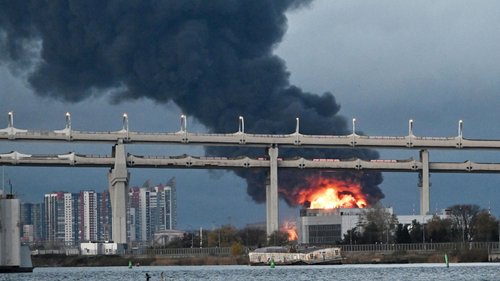
The United States and Iran have traded attacks after the U.S. military struck two rocket launchers on Larak Island in the Strait of Hormuz. The raid – the first known U.S. bombardment on Iran since late July – reportedly killed two and wounded two. The Combatant Command said it was a “limited, precise action” to stop Iranian forces from launching rockets and deploying sea mines in the strait.
In retaliation, Iranian forces fired ballistic missiles at U.S. bases in Jordan (King Hussein and al‑Azraq) and drones at a U.N.‑secured air base in the United Arab Emirates, though the UAE later denied the attack and only confirmed shooting down a drone.
The Larak Island strike marks a resumption of hostilities after President Donald Trump paused a renewed U.S. campaign earlier in July. Iranian state TV said the attack was carried out by drones, and the IRGC vowed “response and punishment.” The raid comes amid intensified U.S. sanctions aimed at isolating Tehran and tightening a naval blockade that has disrupted oil exports.
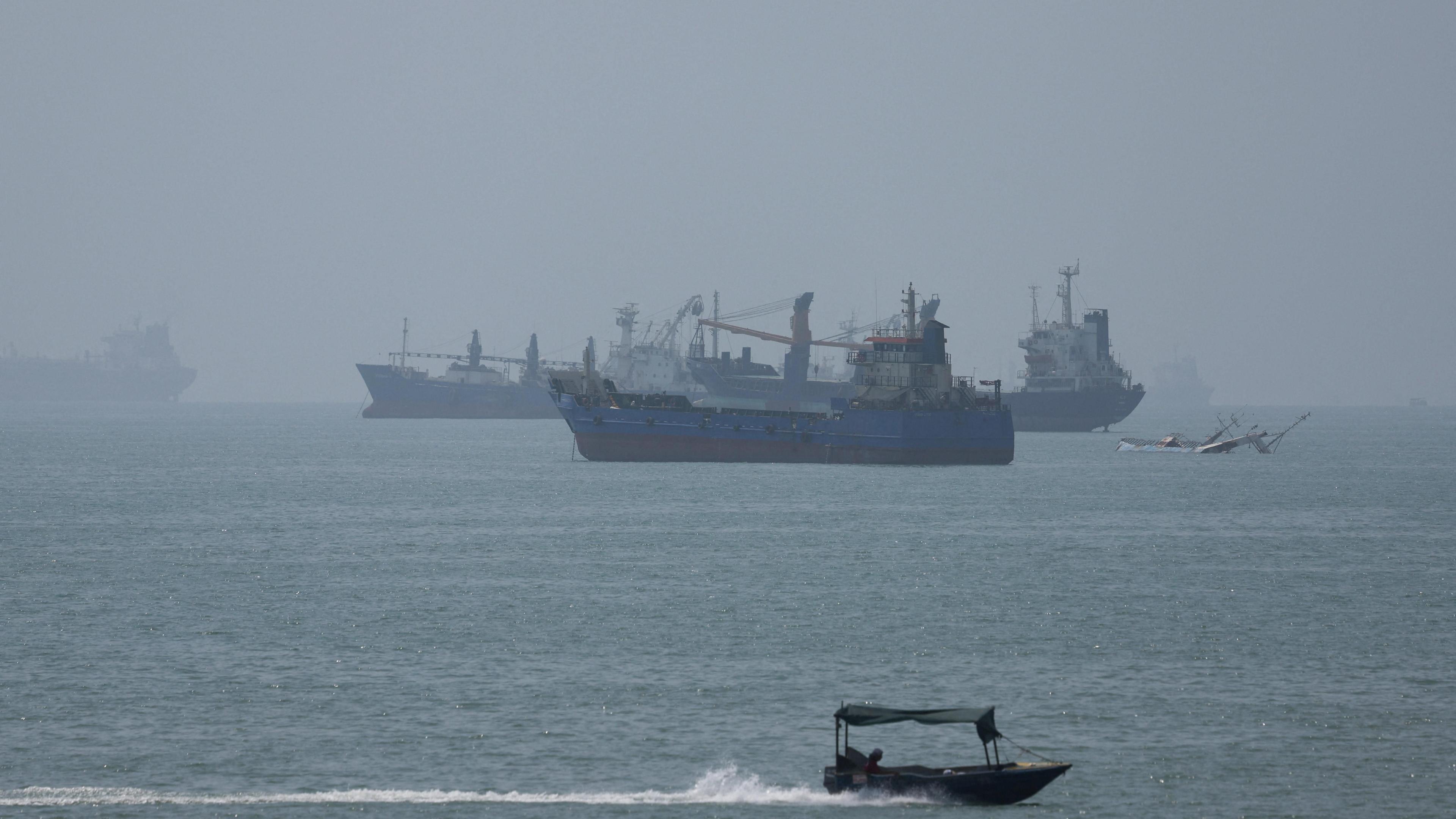
With about 20% of global oil flow through the narrow 21‑mile (33 km) corridor, the Strait of Hormuz remains a strategic chokepoint. Iran now demands tanker traffic pass Larak for checks and charges vessels a $2 million toll to cross, heightening tensions for commercial shipping.