The Unseen Ceaseless Ripple of 9/11: How a San Diego Landlady’s Quiet Life Turned Into a National Legal Drama
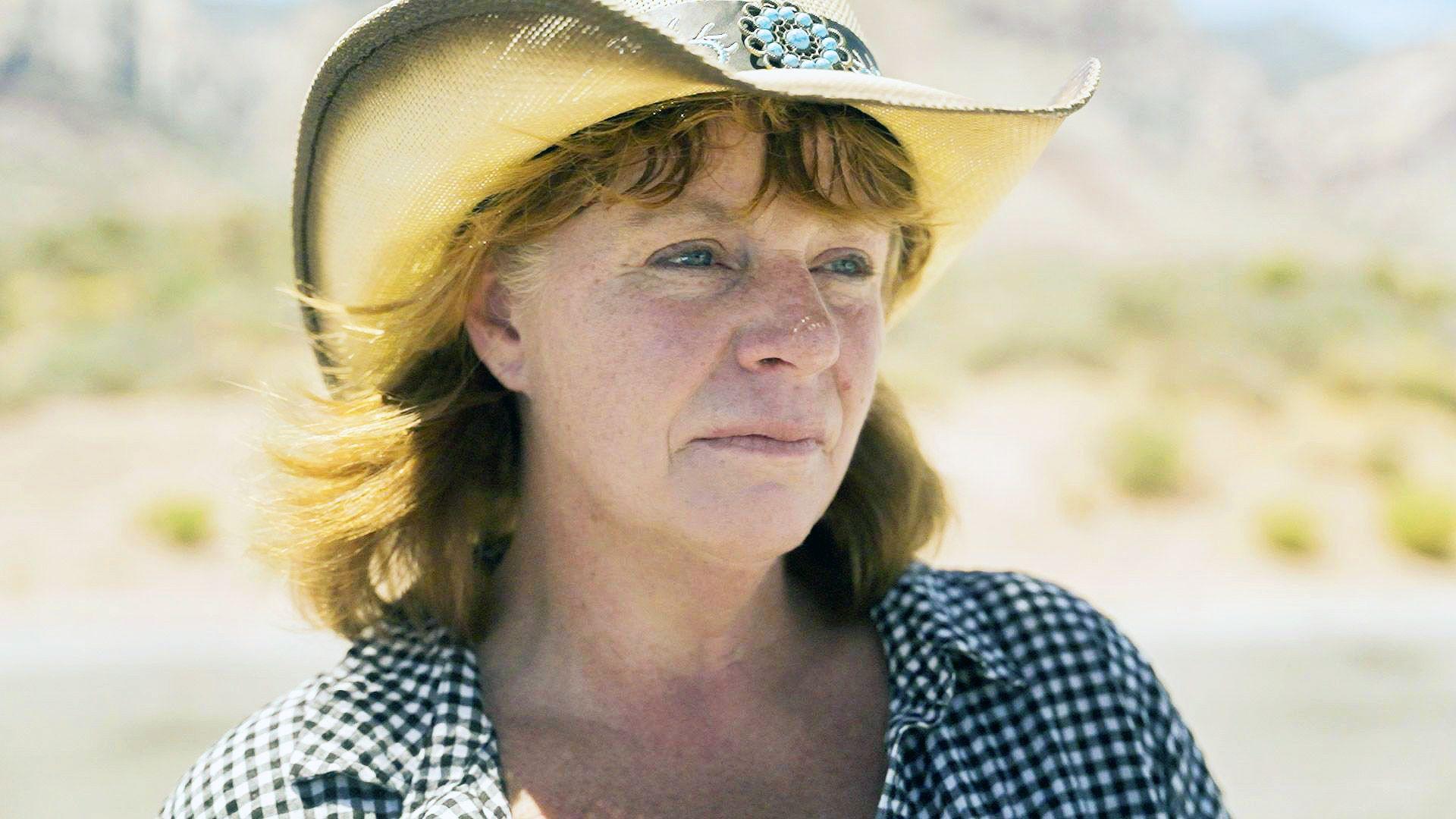
In the late 1990s, Holly Ratchford was a content property manager in San Diego’s Parkwood Apartments. She enjoyed a comfortable life—family, a steady job and a sense of community—until she met Omar al‑Bayoumi, a young Saudi student who would become the linchpin between ordinary renters and the terrorists that would attack America.
Bayoumi first arrived at number 152 Parkwood in September 1999. Immediately he integrated into Ratchford’s network, hosting pool parties and asking her to introduce him to “polite” newcomers. In early 2000, he brought Nawaf al‑Hazmi and Khalid al‑Mihdhar, two Arabic‑speaking migrants, to Ratchford’s office, insisting that they needed housing. Despite their lack of income documents, Bayoumi arranged their lease, acted as guarantor and fed them setting–up help that steered them into California that would eventually house the future hijackers.
Ratchford later learned on the radio that the men would violently attack the Pentagon on 9 November 2001. She was stunned, because she had hosted them for months, shared tea and cookies and once had spoken candidly with them. The German‑American political detective, Richard Lambert, notes that Bayoumi’s network reached beyond Gross‑and‑Mihdhar to Saudi ministry agencies that were paying him $90,000 a year—a figure that doubled when the hijackers arrived.
Bayoumi was questioned by the FBI on 14 September 2001 after the hijackers’ departure. In the UK, he faced a seven‑day detention by the Metropolitan Police and was “released” on 28 September 2001. He would leave for Saudi Arabia a year later, yet the 9/11 families’ $1 trillion lawsuit has kept him in the prosecutors’ sights. A New York judge, in 2025, found that Bayoumi likely acted on Saudi instructions, not merely as a kind neighbor. Saudi Arabia, however, denies any link to al‑Qaeda and insists on sovereign immunity.
For Ratchford, life fractured. The bustling park‐city she knew eroded; she moved to the coast, a reservation, and finally to the isolation of the Western U.S. desert. Yet the memory of the tenants she helped and the knowledge of their eventual role in the attacks still haunt her. She now questions whether her earlier leniency could have prevented a catastrophe.
The broader question remains: Is Saudi Arabia’s intelligence apparatus implicated in the planning of 9/11? The lawsuit continues, with the US Court of Appeal slated to hear arguments in October. Until then, the narrative of how a “friendly” landlord’s decision shaped the course of American history will linger in timelines and headlines, a reminder of how ordinary choices can ripple through crisis.