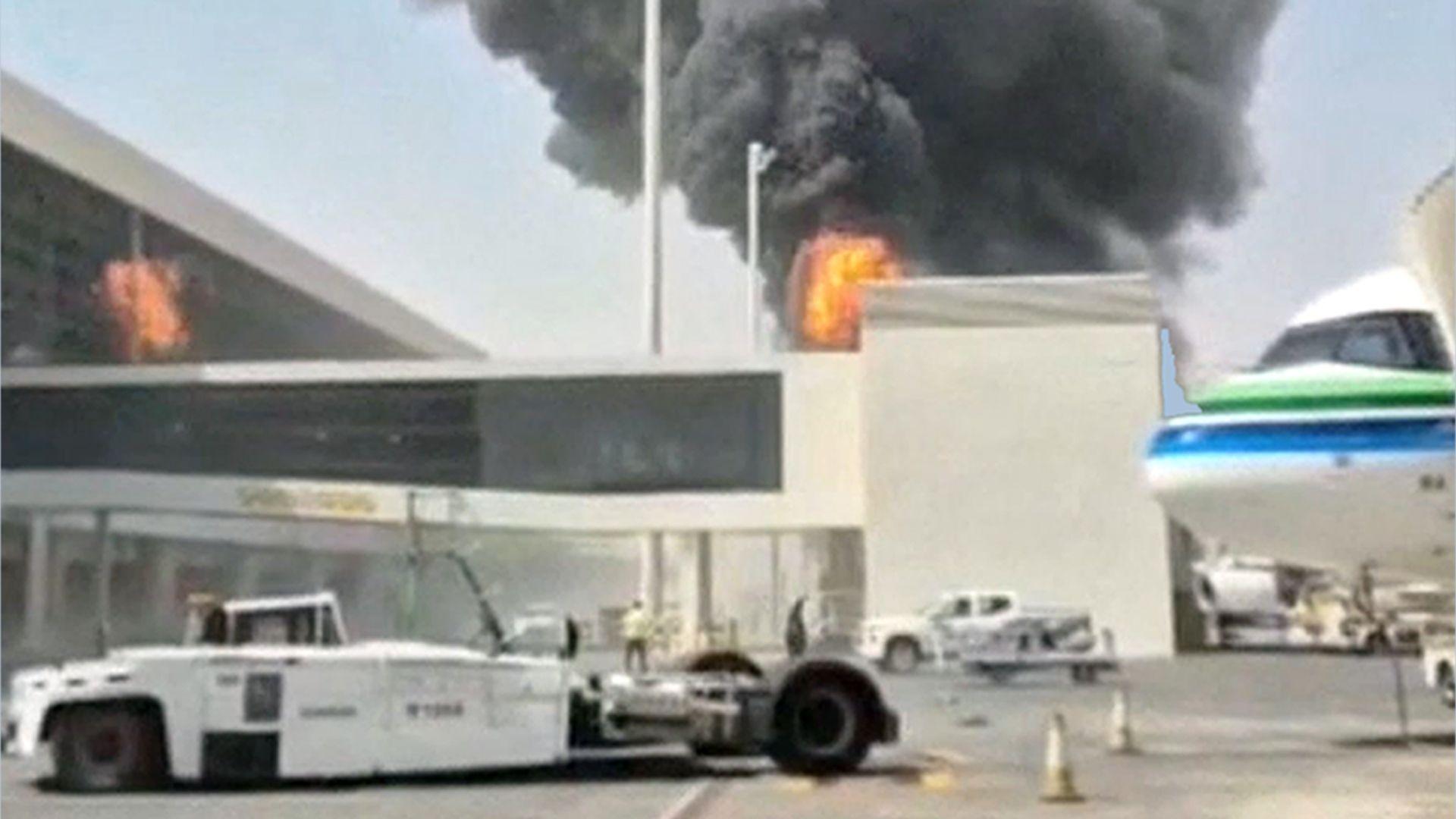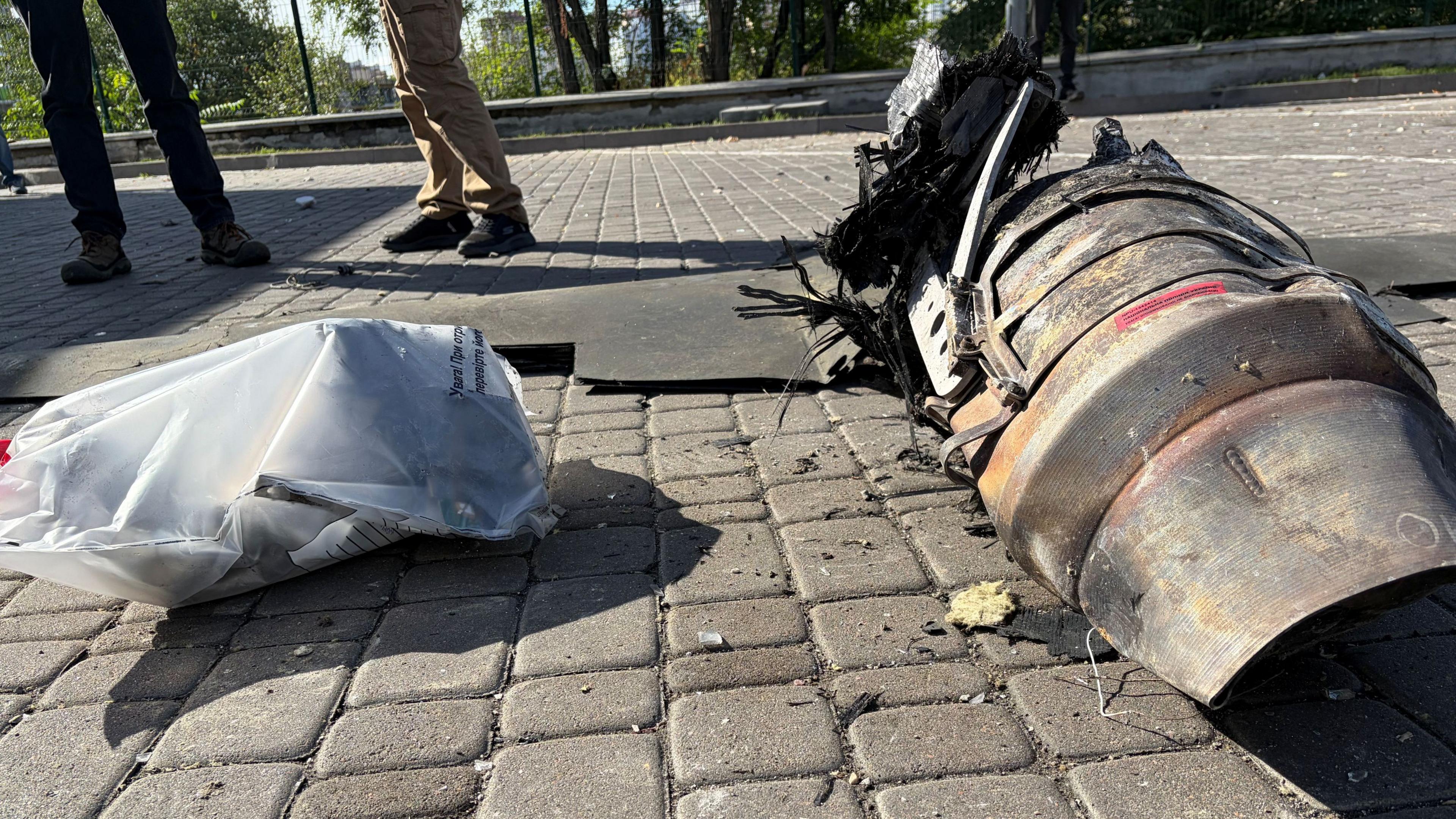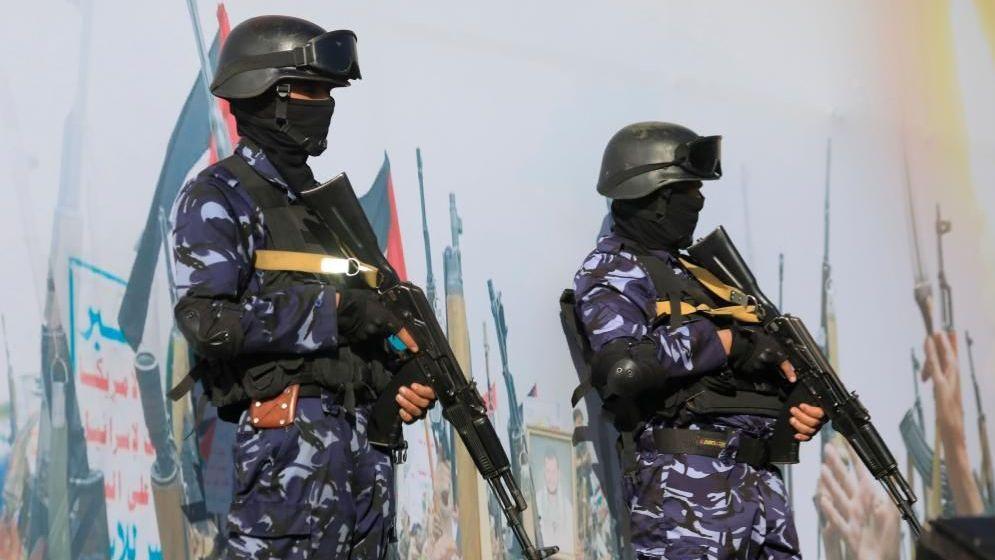
On Saturday, the Kingdom’s King Khalid Airport in Riyadh was hit by a Houthi‑launched drone or missile system, a clear signal that Saudi Arabia’s air defenses can be breached. The strike, which caused only superficial damage, struck a symbolic target—an infrastructure hub that is central to the Kingdom’s modern identity.
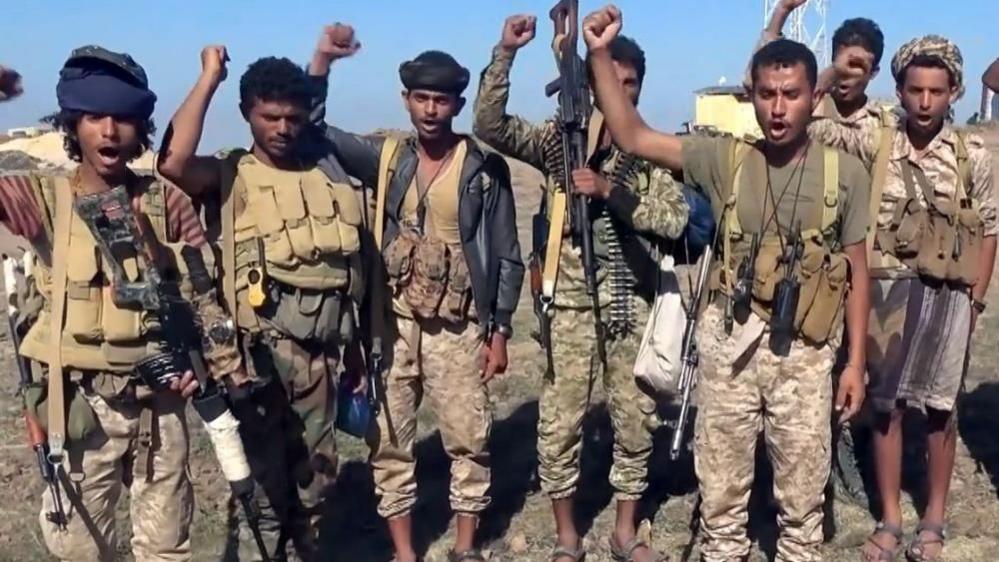
The Houthis, who control large swathes of Yemen’s north and west, have intensified raids on Saudi critical assets over the past weeks. Their strategy focuses on the country’s soft underbelly: airports, petrochemical plants and maritime routes along the Red Sea where the Bab al‑Mandeb strait remains a key chokepoint for global trade.
This attack is part of the broader “axis of resistance” that links the Yemen insurgency with Iran’s regional ambitions. Powerful drones and missiles fired from Houthi bases now threaten commercial shipping, amplifying Tehran’s leverage in a global marketplace that hinges on middle‑east logistics.
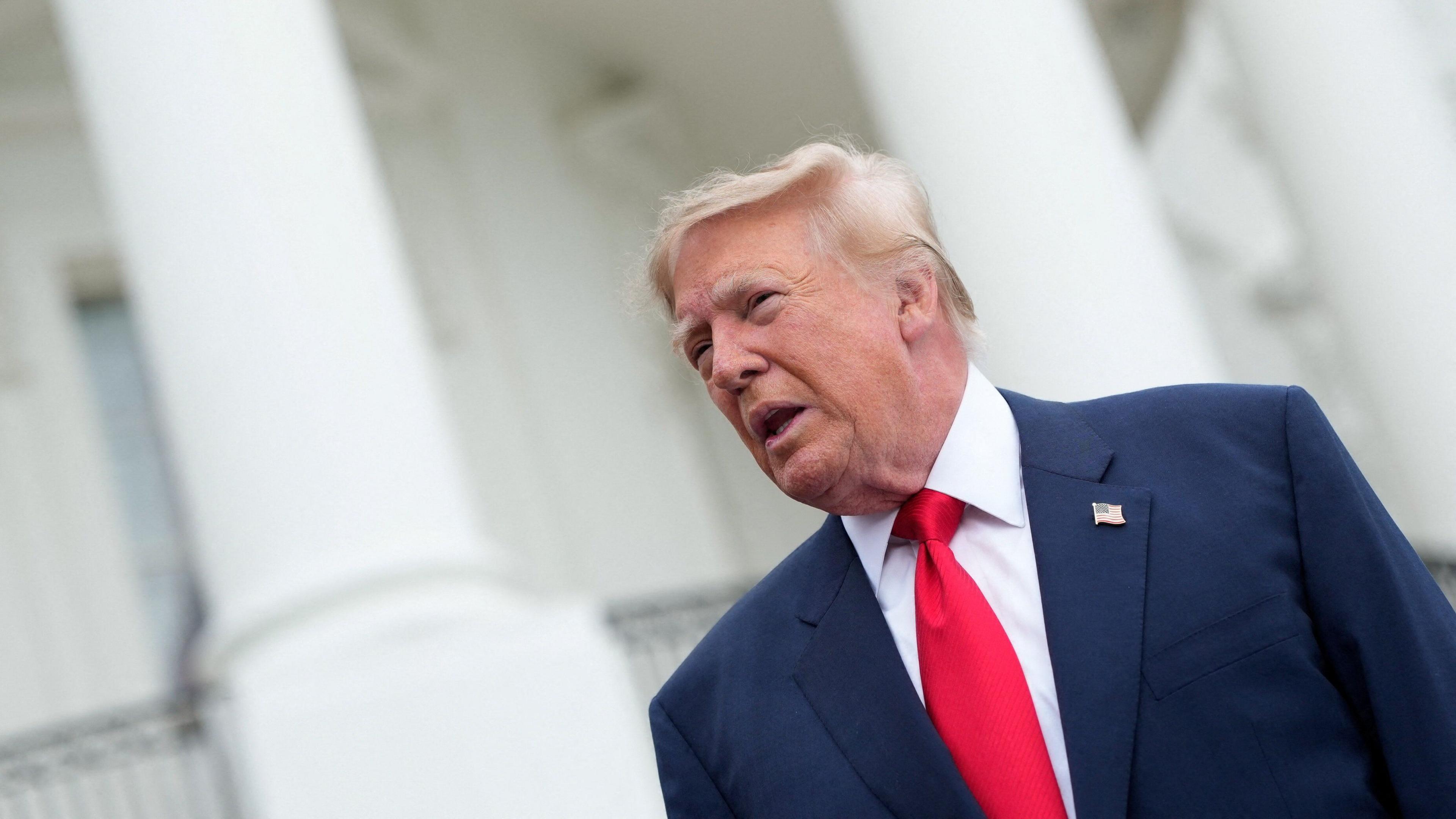
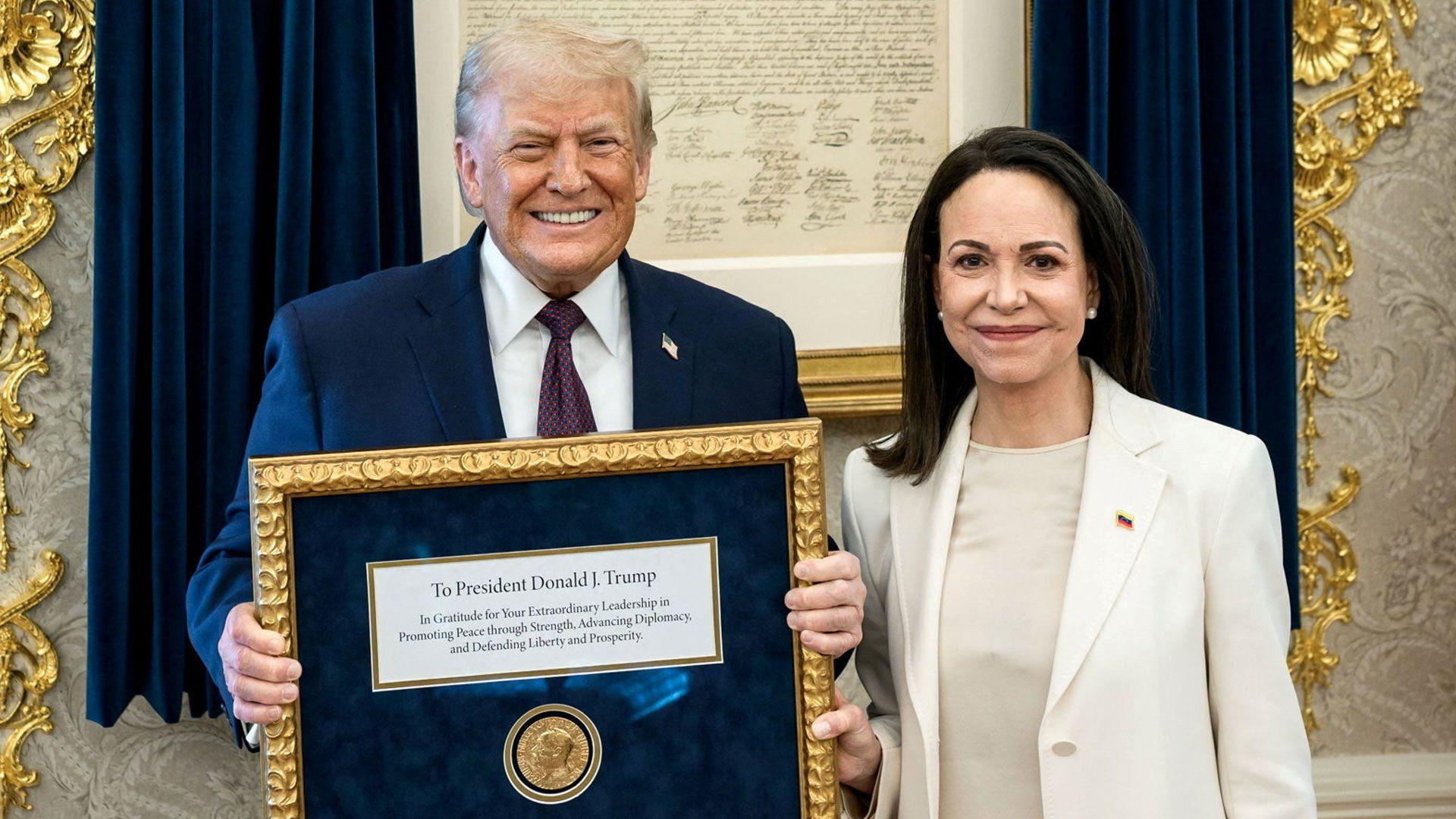
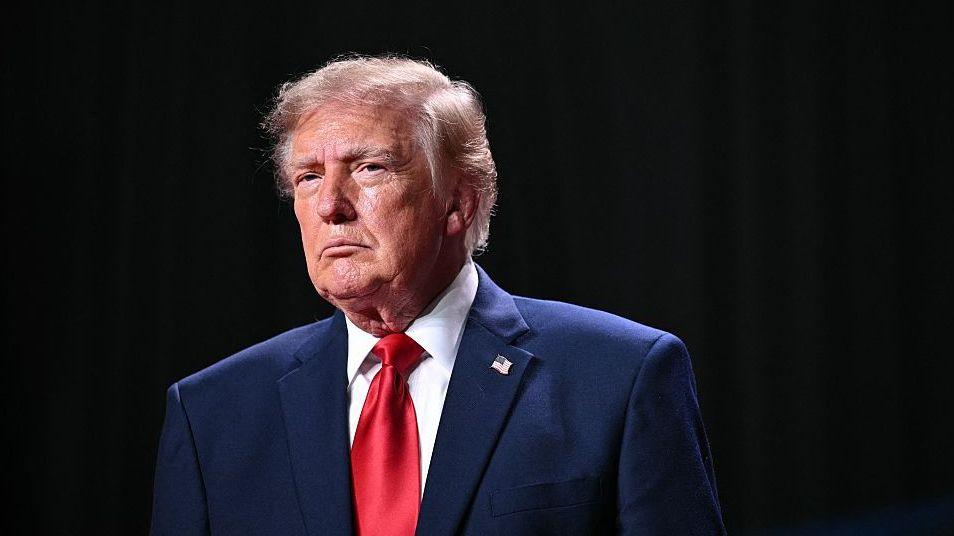
The incident also comes at a time of heightened U.S. scrutiny. While President Trump has framed the assault as “terrible” and hinted at potential military support for the Saudis, political calculations before the next mid‑term elections may temper any direct intervention.
With Saudi air superiority, the Kingdom has repeatedly struck back at Houthi positions, yet the rebels’ continued drone strikes expose deep strategic vulnerabilities—an unsettling reality for a nation that has long prided itself on being a regional bastion of stability.
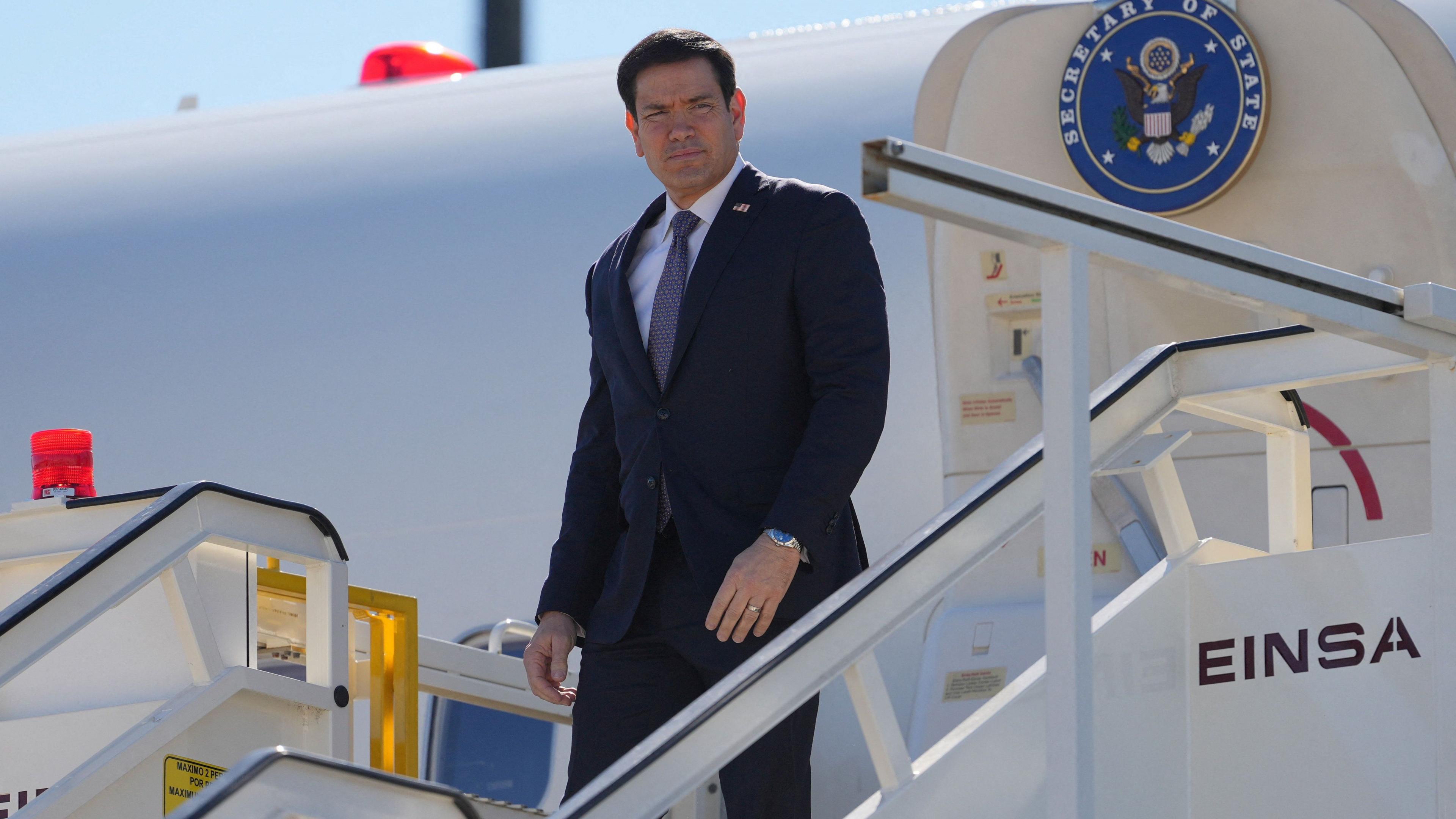
If the U.S. chooses to step in, it will enter a conflict that already stretches its resources across Gaza, Lebanon and Iran. The potential for a renewed, unanticipated engagement in Yemen—especially one that risks U.S. personnel—could alter the electoral calculus for Washington’s next administration.