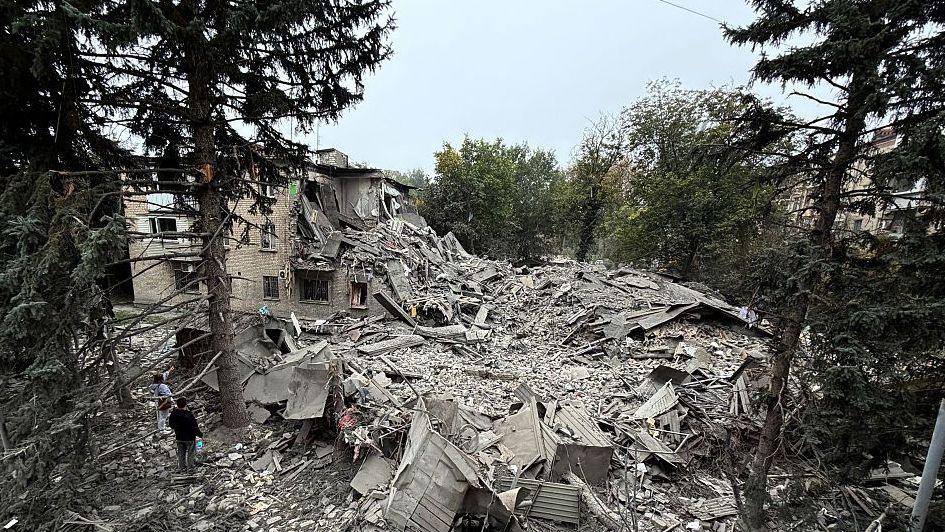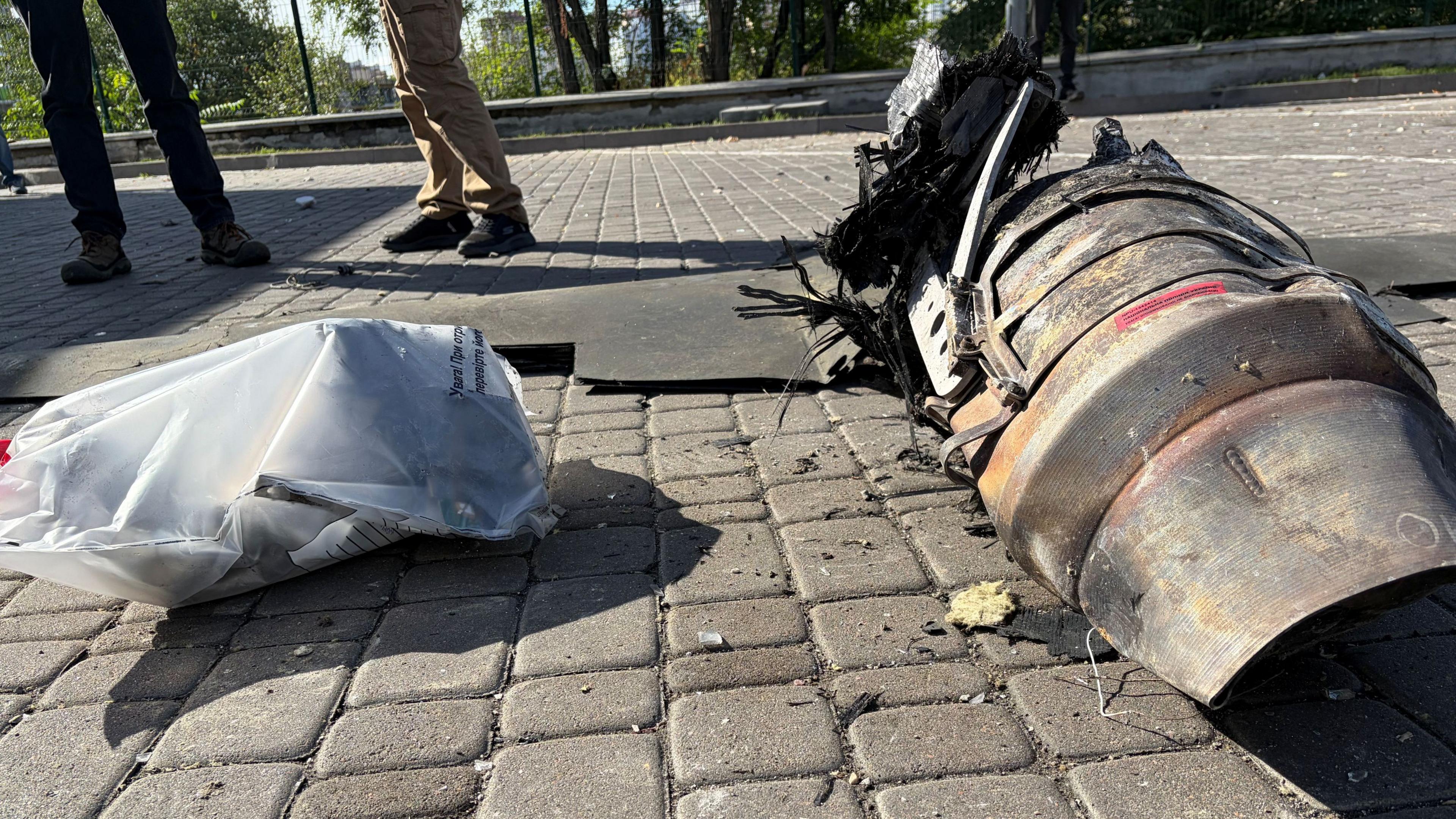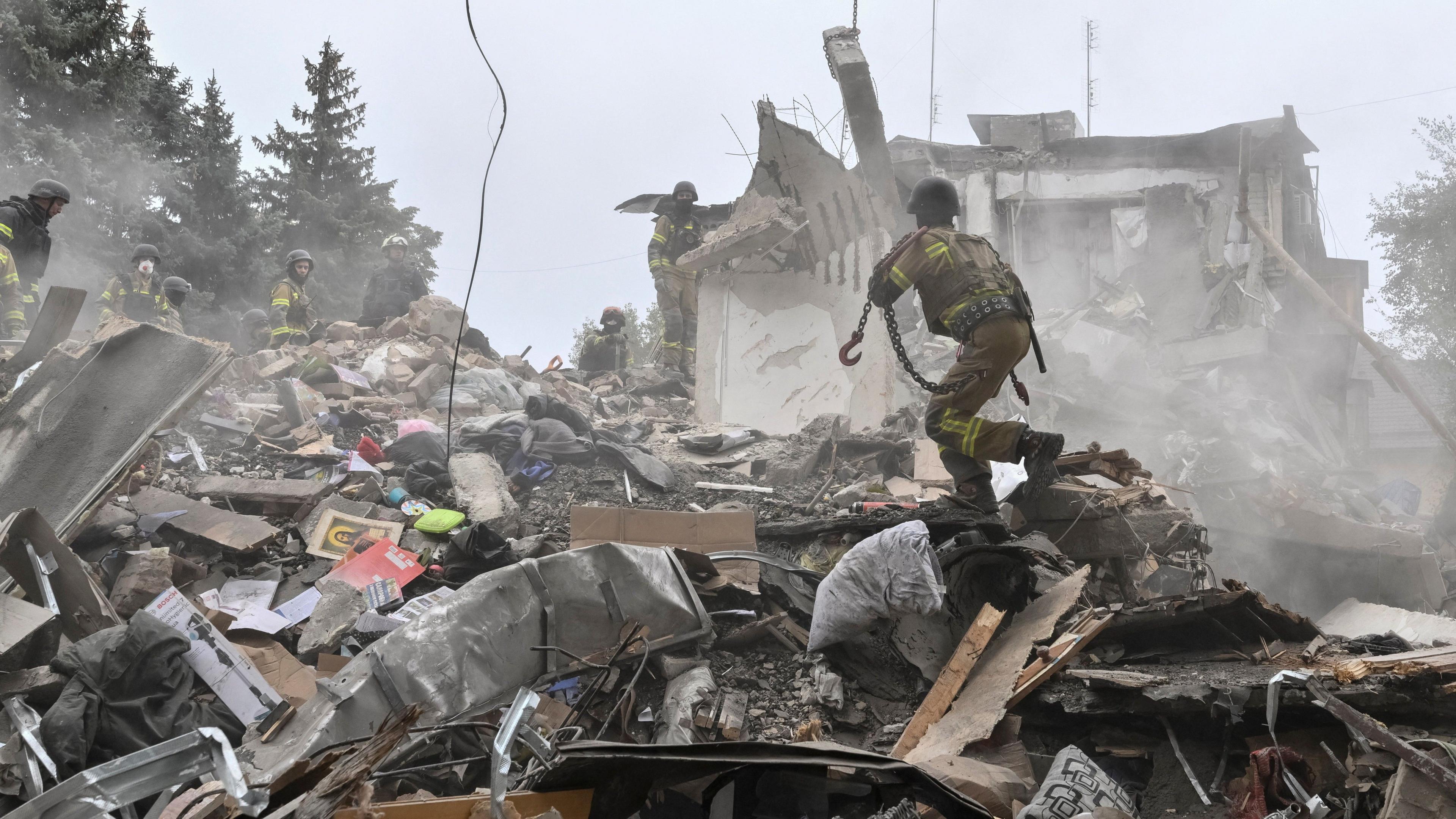
On Saturday morning, Russian forces unleashed a strike on the Ukrainian city of Zaporizhzhia, deploying five glide bombs that shattered several residential blocks, local officials confirmed.
The munitions struck deep inside the city’s center, where apartment buildings lodge primarily older families. Witnesses say the impact was so powerful the ground floor collapsed, leaving floors above grounded on rubble.
At least 20 people lost their lives, including four children, and 32 others suffered injuries. Several civilians are reported missing, with first‑responder teams describing the scene as a desperate search for survivors beneath the wreckage.
Ukrainian president Volodymyr Zelensky reacted angrily to the attack, saying the bombings were “a thank‑you” gesture from Moscow for a late‑night United States deal that eased sanctions to let Russia import diesel. He called the agreement a gift to president Vladimir Putin and warning that easing pressure would only embolden further assaults.
Acting mayor Regina Harchenko appeared on local television from the disaster site, describing the attack as “our very heart” was struck and highlighting the grief for the families of those killed. More than eighty workers are engaged in rescue operations, which are expected to continue all day.
Zaporizhzhia, home to around 700,000 people and lying less than 10 km from the front line, has drawn repeated strikes from Russian drones and missile weapons. Recent days have seen further glide‑bomb attacks in Kramatorsk and a missile strike on an apartment block in Pryluky, raising the tally of civilian casualties to a 55 percent increase over the first eight months of the year, according to United Nations data.
While Ukraine accuses Moscow of deliberately targeting its civilian infrastructure, Russian forces have escalated hits on energy facilities in preparation for winter. The conflict between the two countries continues to intensify, with each side proving increasingly ruthless in the fight for dominance.