Recent polling data shows that a significant number of Americans believe their taxes are excessive, even after the implementation of tax reform measures touted during previous administrations. According to a Fox News poll, approximately 70% of registered voters now regard their tax obligations as too high, up from 60% last year.
This shift in perspective comes amid rising inflation rates and sluggish economic growth, exacerbating financial stresses on households across the country. Many citizens express frustration not only over their own tax burdens but also at what they perceive as tax evasion by wealthy individuals and corporations. A Pew Research study found that 60% of Americans feel strongly that the wealthy are not paying their fair share of taxes, in stark contrast to a smaller percentage expressing similar concerns about their own tax responsibilities.
Interestingly, the data reveals that while dissatisfaction with tax bills is prevalent, grievances about government spending have emerged, particularly among Republican voters. A Fox News survey indicates that about 75% of registered voters, including many from the GOP, consider government spending to be largely wasteful.
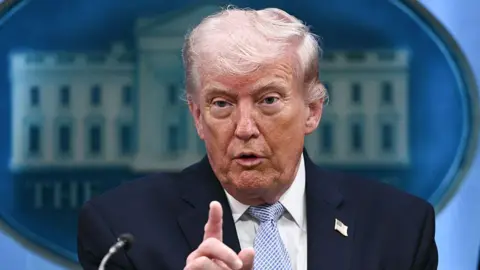
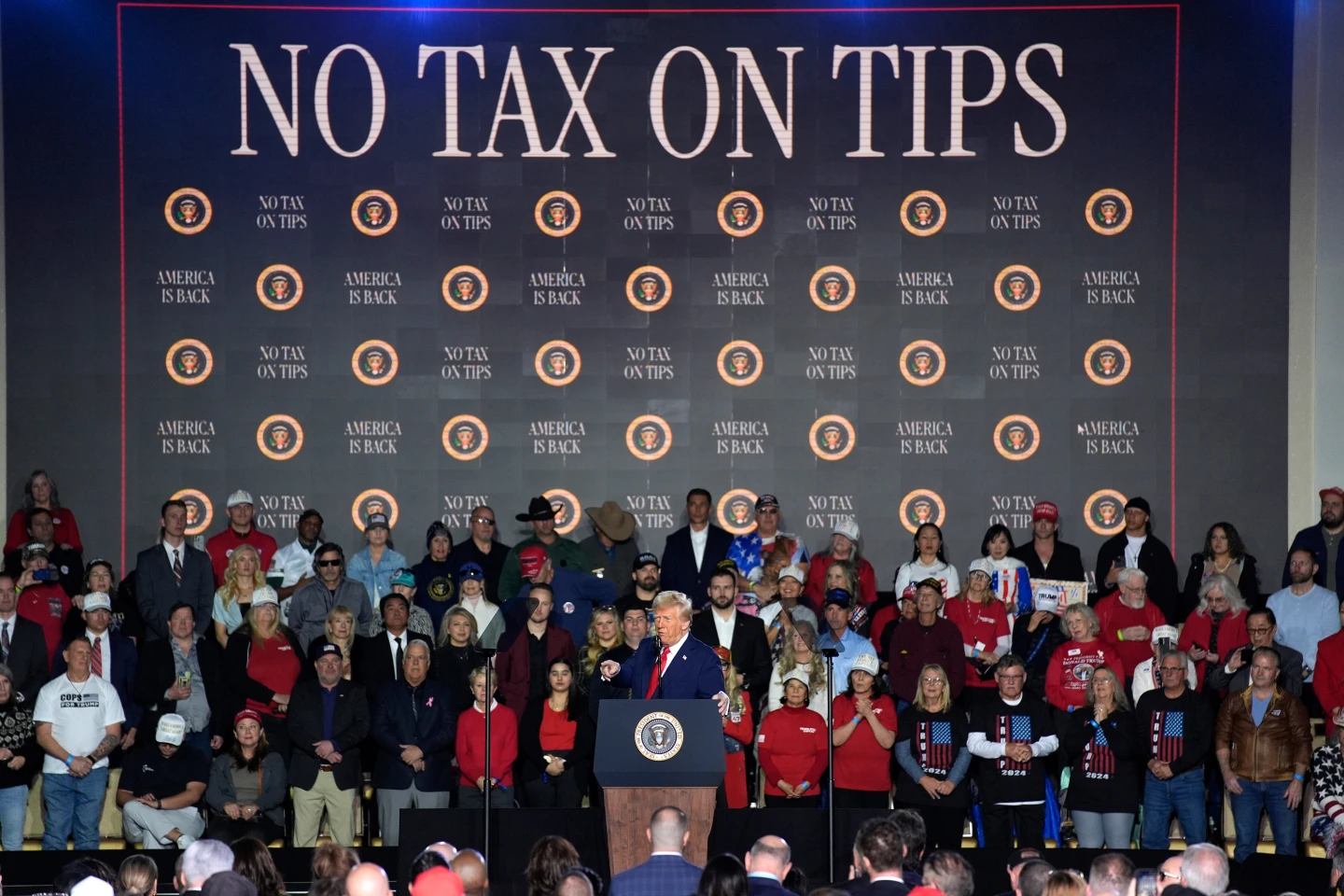
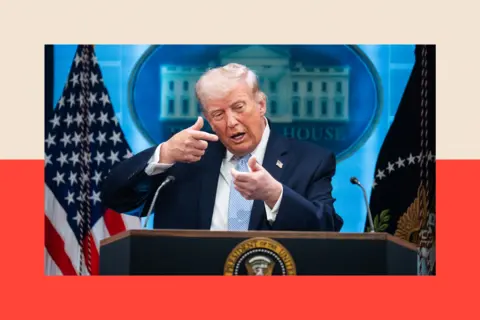
For Republicans, former President Donald Trump’s administration has framed tax cuts as beneficial for working families, but current polling suggests that many citizens feel the promised relief is insufficient. With current economic indicators pointing towards a challenging environment, the Republican Party may face significant hurdles in the upcoming elections if they continue to overlook these sentiments.
Recent trends show that dissatisfaction with tax policy is not limited to a specific demographic; discontent is notable across various voter categories, including moderates and those without college degrees. As these economic challenges persist, addressing public concerns over tax fairness will likely be a pivotal issue in shaping future policy and electoral strategies.