JD Vance's Critical Task in Mediating US-Iran Relations
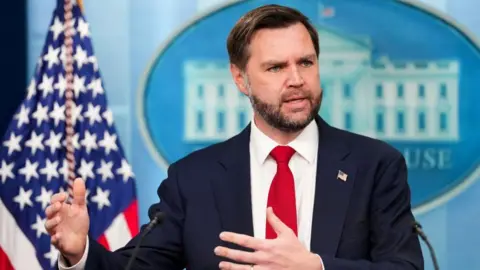
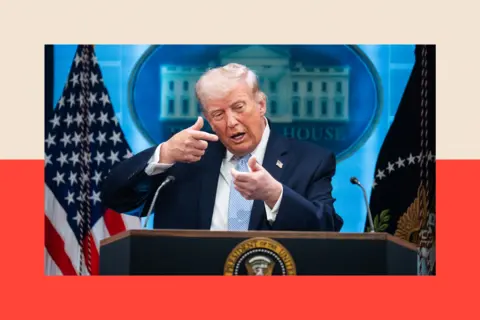
In a light-hearted moment during an Easter lunch at the White House, President Donald Trump jokingly addressed speculation surrounding Vice President JD Vance's diplomatic efforts in securing a deal to end the ongoing war in Iran. If it doesn't happen, I'm blaming JD Vance, Trump remarked, eliciting laughter from attendees.
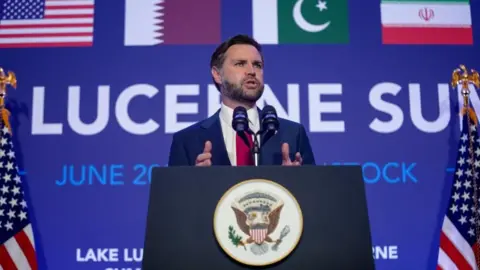
Now embarked on his most challenging mission to date, Vance leads a US delegation in negotiations in Islamabad that come with significant risks and the potential for backlash should the talks fail. His role requires navigating the complex and often conflicting interests of multiple stakeholders.
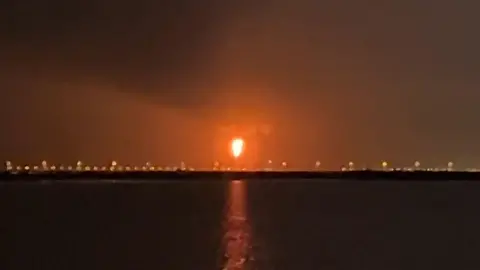
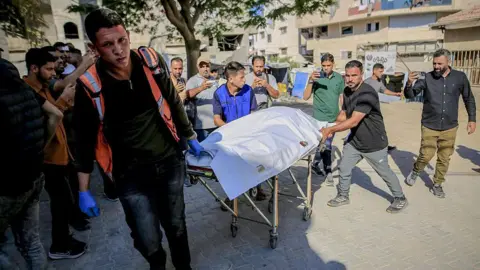
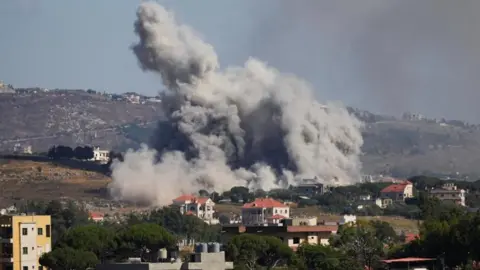
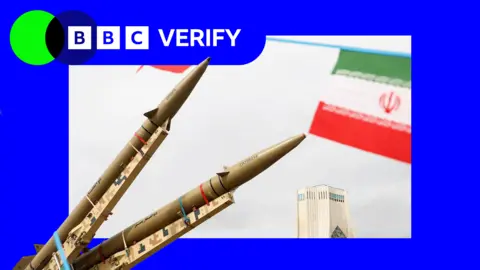
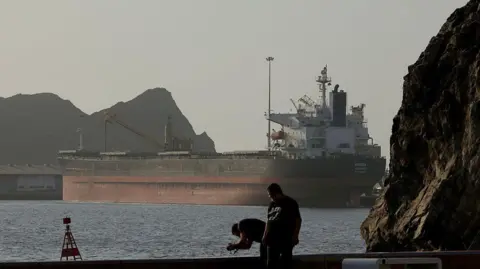
The backdrop of Vance's diplomatic mission is the recent six-week military conflict that has reshaped relations in the Middle East and raised ever-growing concerns about global economic stability. With US allies keenly watching, Vance will be under considerable pressure to deliver tangible results.
Despite a humorous presentation from Trump, the reality of Vance’s assignment entails striking a balance between the demands of the president, who often shifts his stance, and the expectations of various factions that are deeply distrustful of each other.
Trump's sporadic approach to negotiations has been highlighted in recent events, particularly in his fluctuating statements about Iran. As Vance prepares for his talks, he needs not only to represent Trump's interests but also to navigate his own previous skepticism towards foreign interventions.
However, with a mission that promises high stakes and little margin for error, Vance's capacity to engage effectively in these negotiations could significantly impact both his political career and the future of US-Iran relations. As he departs for Islamabad, the overarching question remains: can he secure a peace deal or will he find himself scapegoated if things go awry?