The venue is ready, the guards are in place, and the curb along the approach road has received a fresh coat of yellow and black paint. Islamabad awaits. As hosts of vital US-Iranian talks, Pakistani officials are optimistic, emphasizing their unique position as trusted intermediaries.
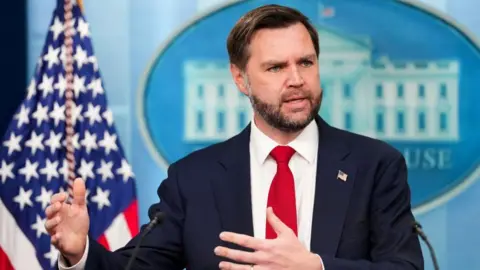
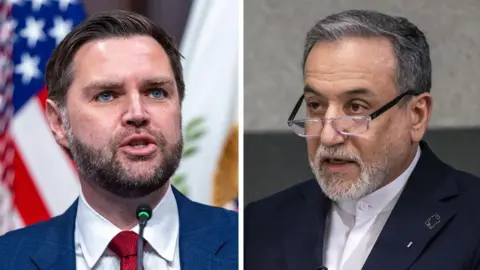
Leading the US delegation, Vice President JD Vance expressed willingness to negotiate if Iran is cooperative: If the Iranians are willing to negotiate in good faith, we're certainly willing to extend the open hand. However, he warned against deception, indicating that the US team would not be easily swayed.
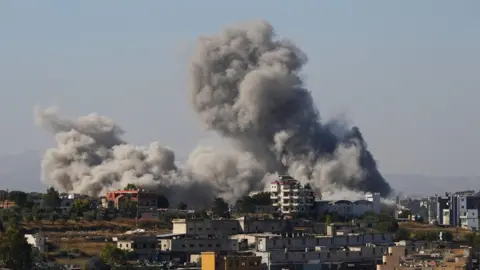
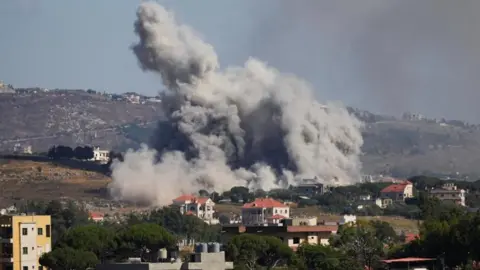
Significant obstacles lie ahead for these negotiations. The ongoing campaign against Iran's ally Hezbollah in Lebanon serves as a potential flashpoint. Iranian President Masoud Pezeshkian has warned that any continuation of military actions will undermine the talks, stating, Our fingers remain on the trigger. Iran will never abandon its Lebanese sisters and brothers.
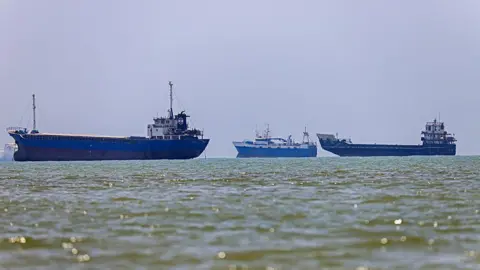
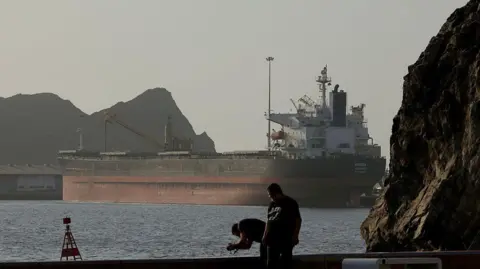
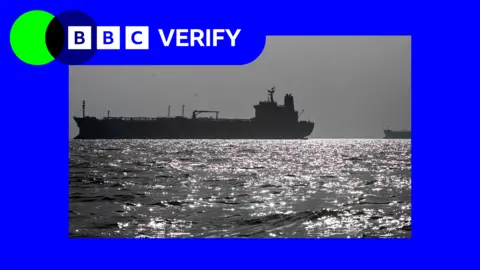
Another major sticking point is the Strait of Hormuz, which Iran claims control over. President Donald Trump criticized Iran's management of shipping in the region, describing it as dishonourable, while Iran insists on reinforcing its claim over this vital trade route.
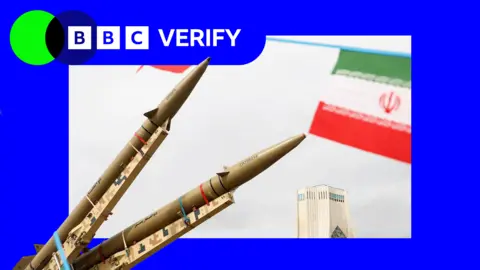
The nuclear issue also looms large, with both parties presenting starkly different demands. Iran insists on its rights to nuclear enrichment under international treaties, while the US maintains that all enrichment on Iranian soil must end.
Finally, Iran's push for sanctions relief, including the release of frozen assets, complicates the situation further. The upcoming negotiations in Islamabad will challenge both sides to bridge these deep divides amidst a backdrop of regional tension.